Skip to content
The Gazetteer

The Gazetteer

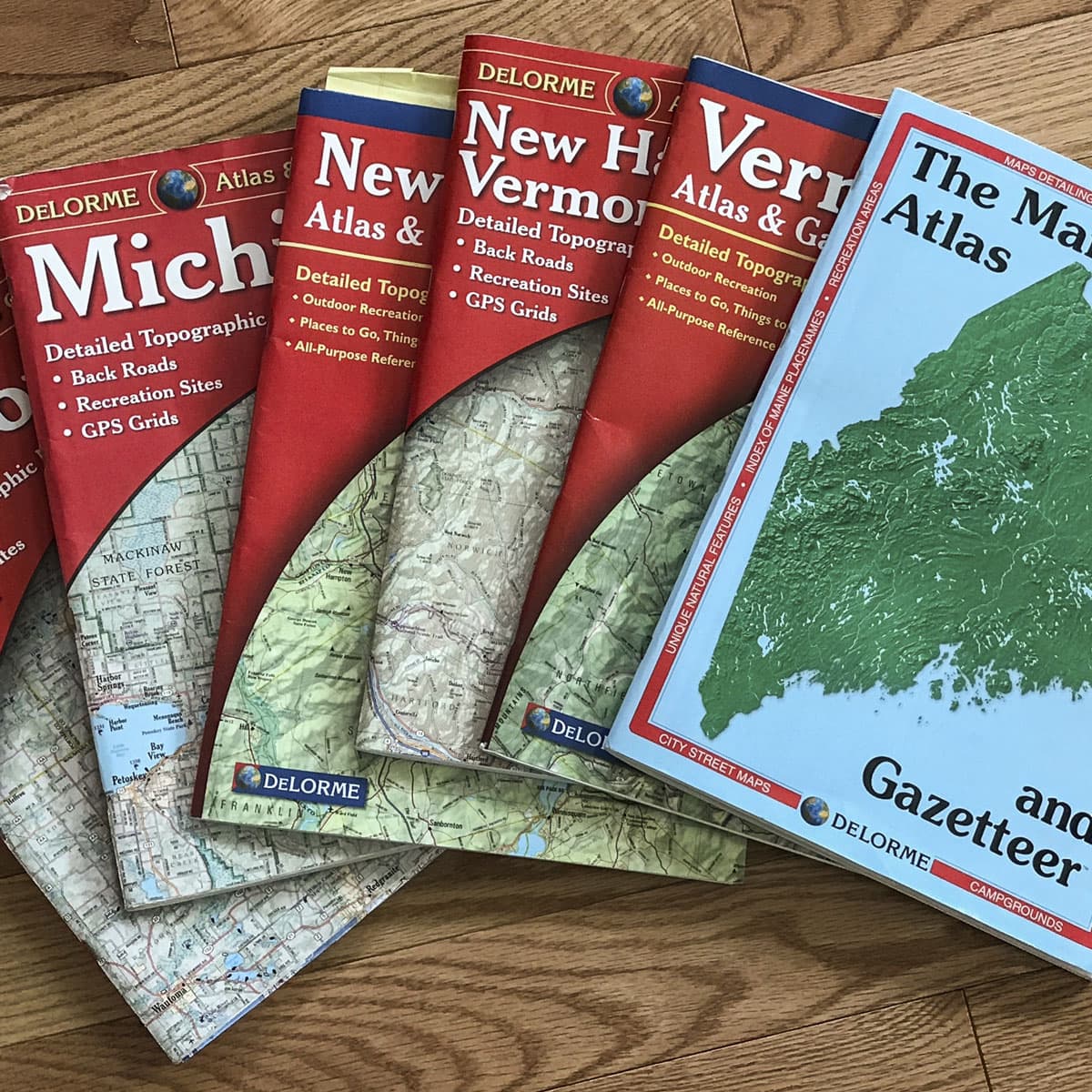
In my home, the safe holds no money, but it does hold many gazetteers.  Years of accumulated info on where and how to access water, what the better fishing areas are and what species are around, with secrets to each area are scribbled all over my maps. Getting a state gazetteer is a great way to find new water in an old or new area.  When fishing an area, mine never leaves my truck.  These maps have helped me out of some very lost situations, and have also helped me find treasured fishing spots

6/15/2017Nome Buckman
Using Isopropyl Alcohol to Find Leaks in Waders

Using Isopropyl Alcohol to Find Leaks in Waders

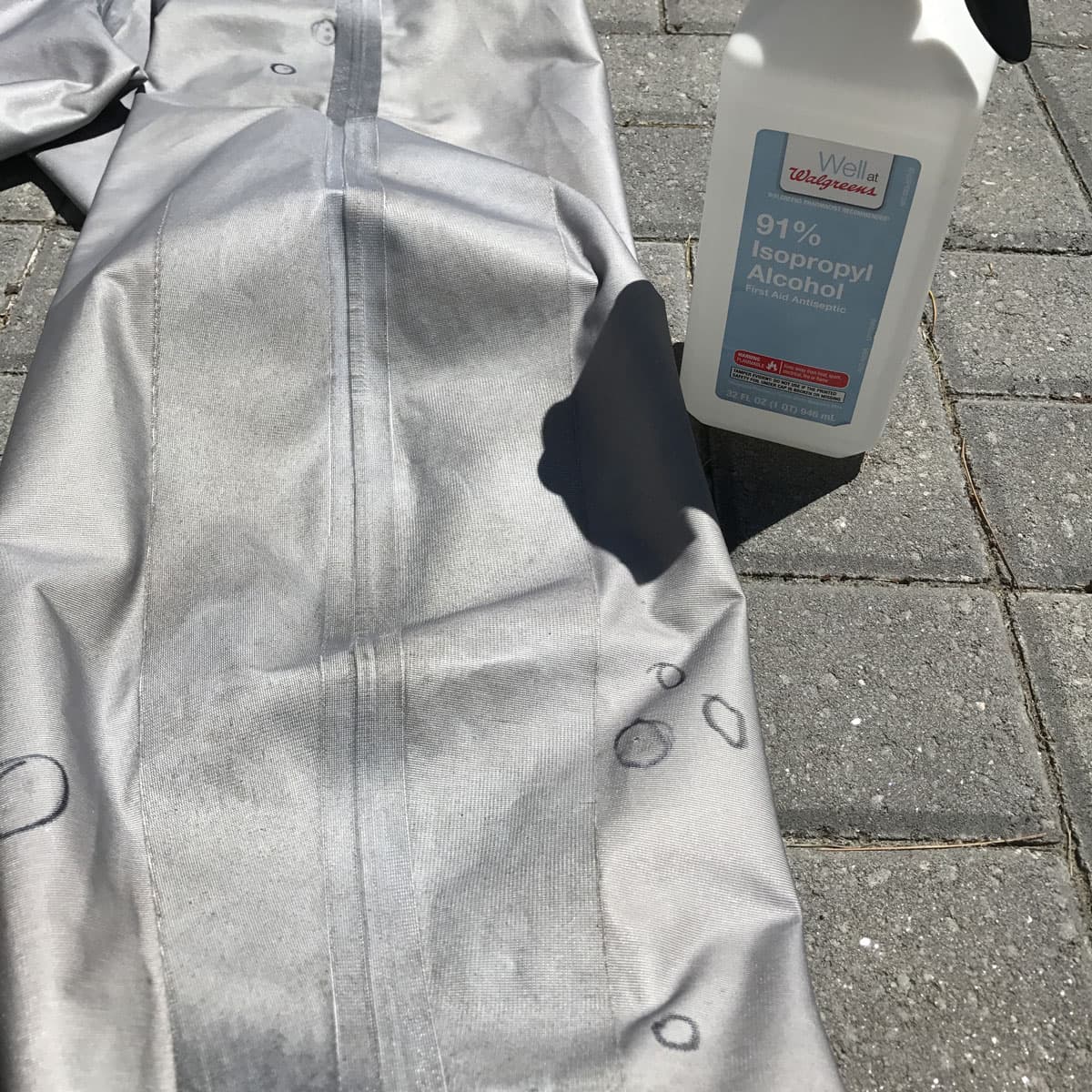
This trick only works for any product that uses Gore-Tex as the waterproofing membrane. Have a mysterious sometimes occurring leak in your waders?  Try this. Reverse your clean and dry waders.  They must be completely dry. At this point, you can do one of two things.  Treat the holes immediately (still wet with alcohol) with Aquaseal by dabbing it on in a circular motion with your fingers, pushing the Aquaseal into the hole to fill it.  When using Aquaseal you need to let it cure for at least

6/15/2017Nome Buckman
Articulating Shanks

Articulating Shanks

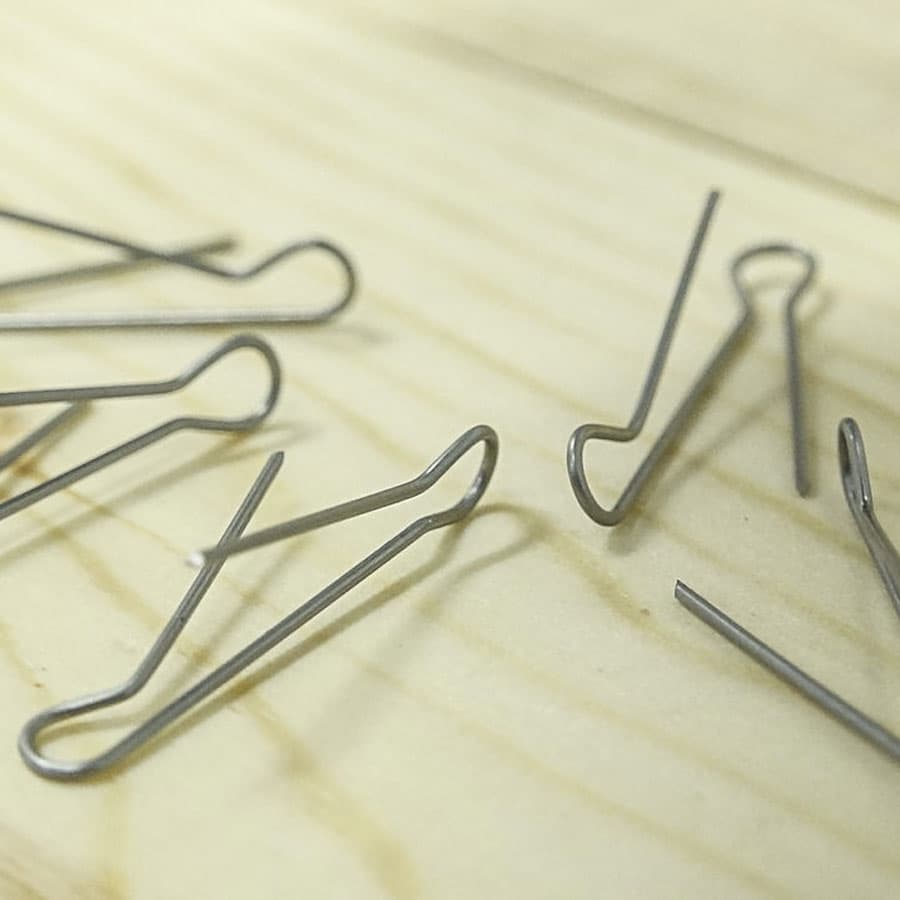
What in the world is an articulating shank?  3-Wire Articulating Shanks by Tumbleweed Fly and Tackle for tying big articulated flies for fresh and saltwater species who want the beef! The 3-Wire shank comes in packs of six with three lengths to choose from.  They are also very reasonable.  Made in the USA of ultra lightweight wire, the three shanks are bonded together with tying thread to help maintain strength while shedding unnecessary casting weight.  I can see using these shanks for SOOOO m

6/15/2017Nome Buckman

Latest

Putting your fly rod together

Putting your fly rod together

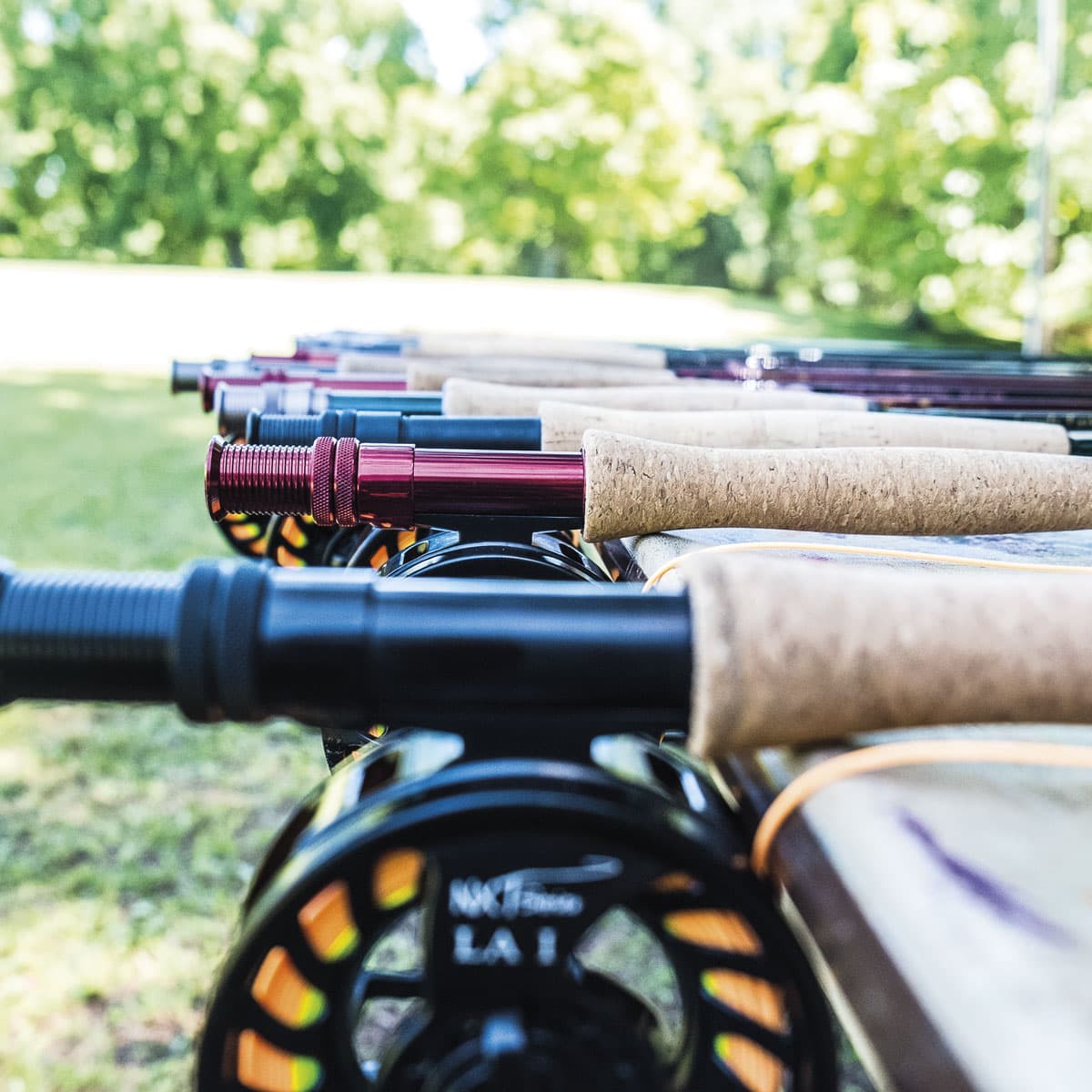
I love it when you learn a new trick to something that you’ve been doing your whole fishing career.  Many of you already know this one, but for those of you who don’t – you’re going to thank me for putting in something so basic.  It will be an “A-Ha!” moment. Assemble your rod from the tip down. This way of assembling your fly rod removes the step of having to try to find a place to set the butt section of the rod during assembly.  If you’re like me and a bit neurotic about scratching your rod,

6/30/2017Dun Magazine
Ice Jams

Ice Jams

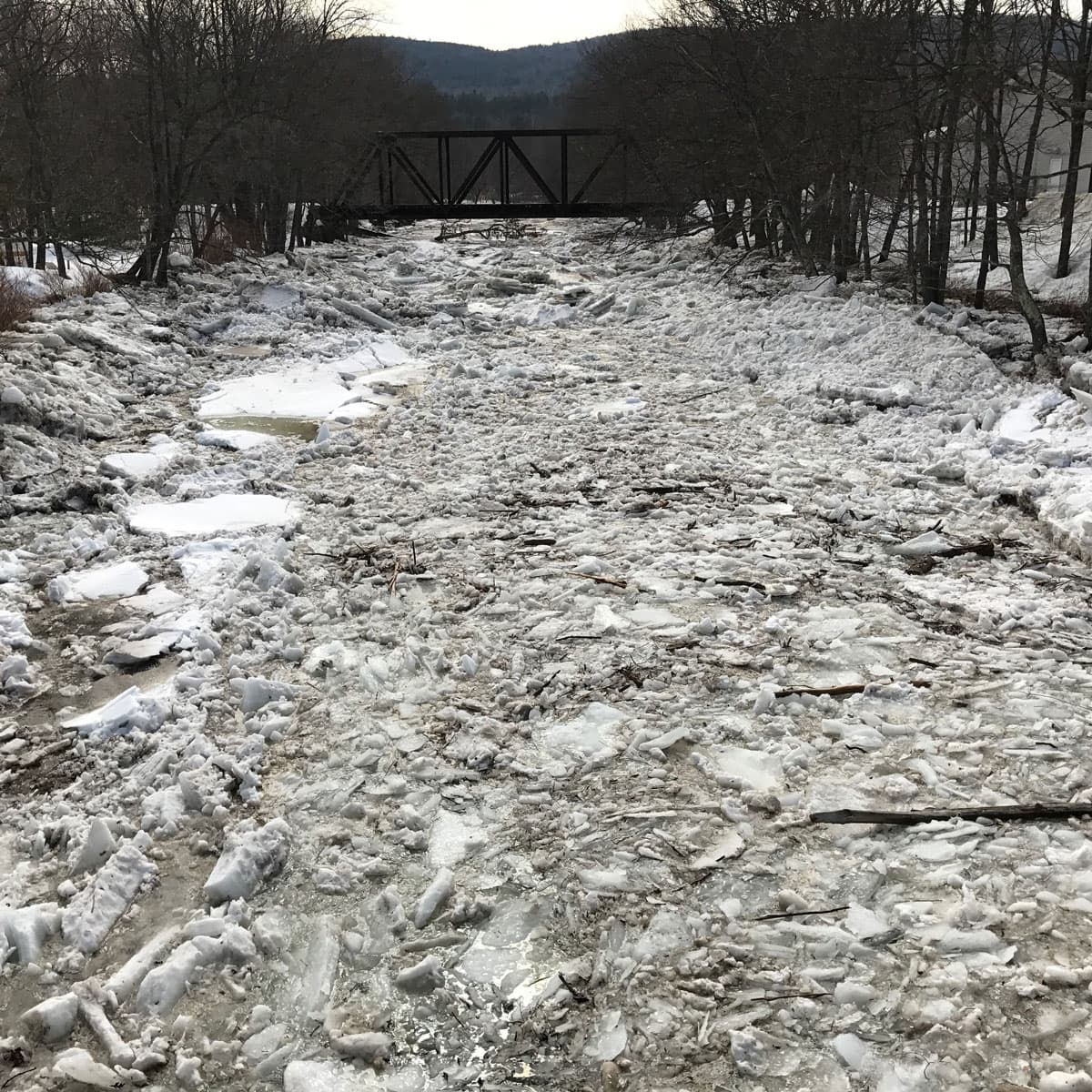
This has nothing to do with that delicious freezer jam or favorite winter tune.  Ice Jams are an annual occurrence where rivers freeze over and break up during spring runoff. Large “bergs” clog bends or narrowings of rivers and can be backed up in a river for miles. With consistent water pressure flowing into these natural ice dams, eventually the power of water causes the river to elevate along with the ice chunks and push itself out of its banks if the ice jam does not break free of its own ac

4/5/2017Nome Buckman
Tippet Rings

Tippet Rings

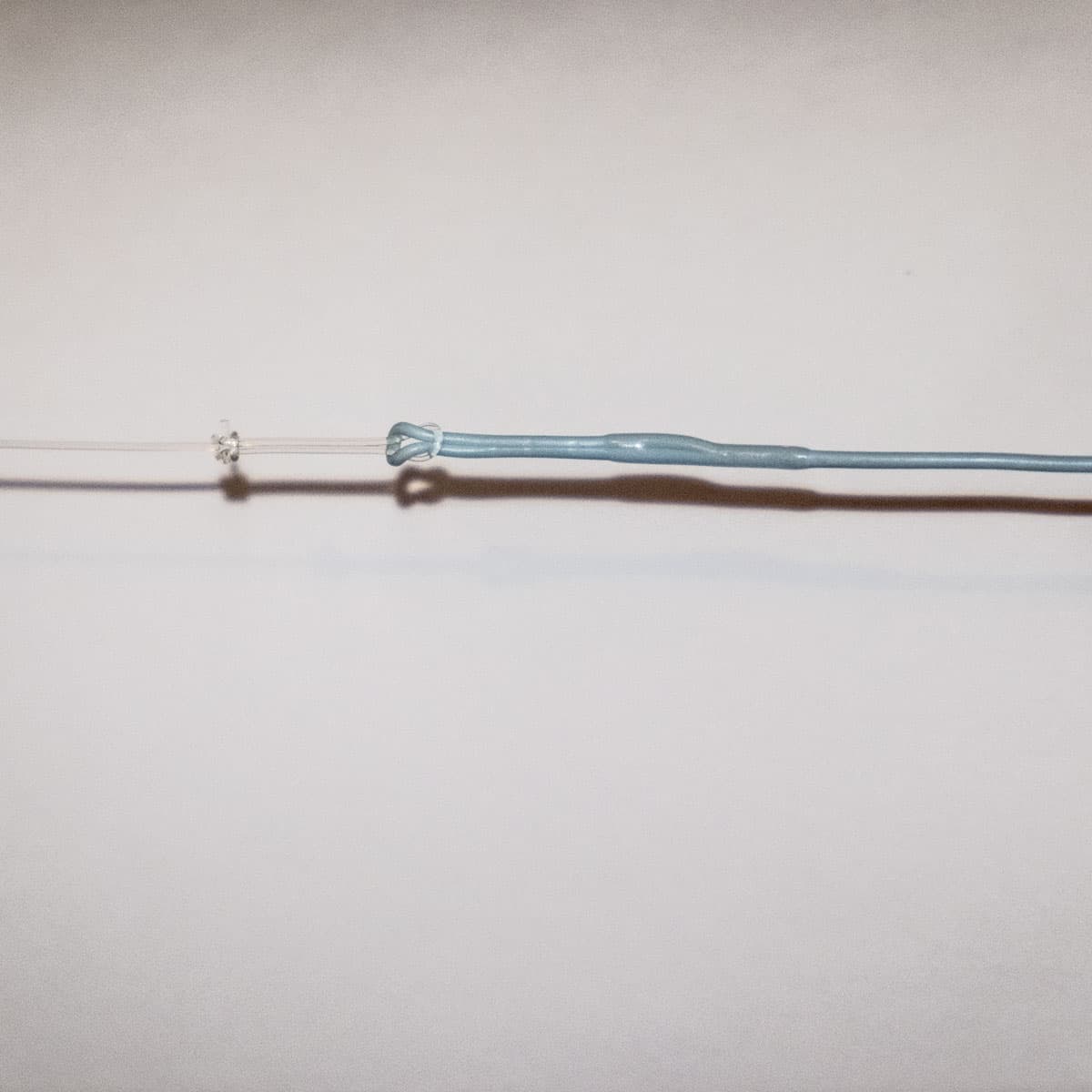
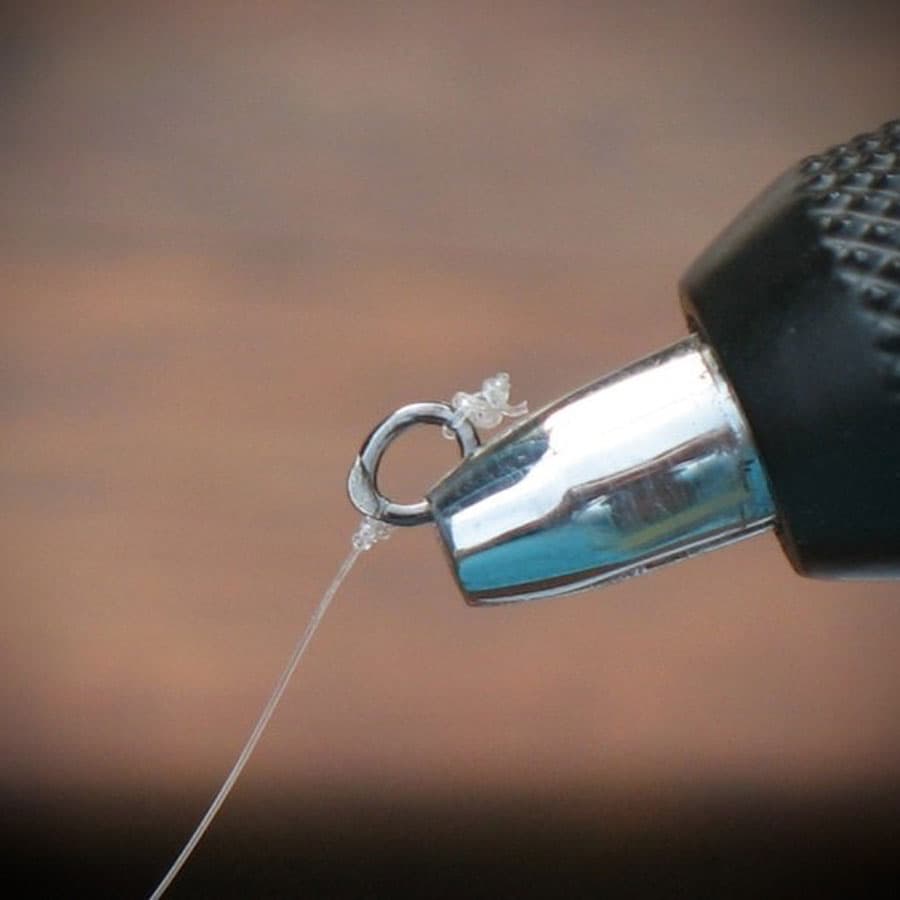
It’s been an overlooked helper for years. These tiny rings enable you to switch out tippet quickly and productively without burning through dozens of leaders in a season, because tippet rings give you a well-defined break off point.  I recommend installing them in the comfort of your favorite reading or fly tying spot where lighting is good and you can see the little buggers.   Tippet rings usually come packaged on a snap swivel for on-stream or off-stream ease. I suggest you tie onto the close

4/5/2017Nome Buckman
American Brown Trout

American Brown Trout

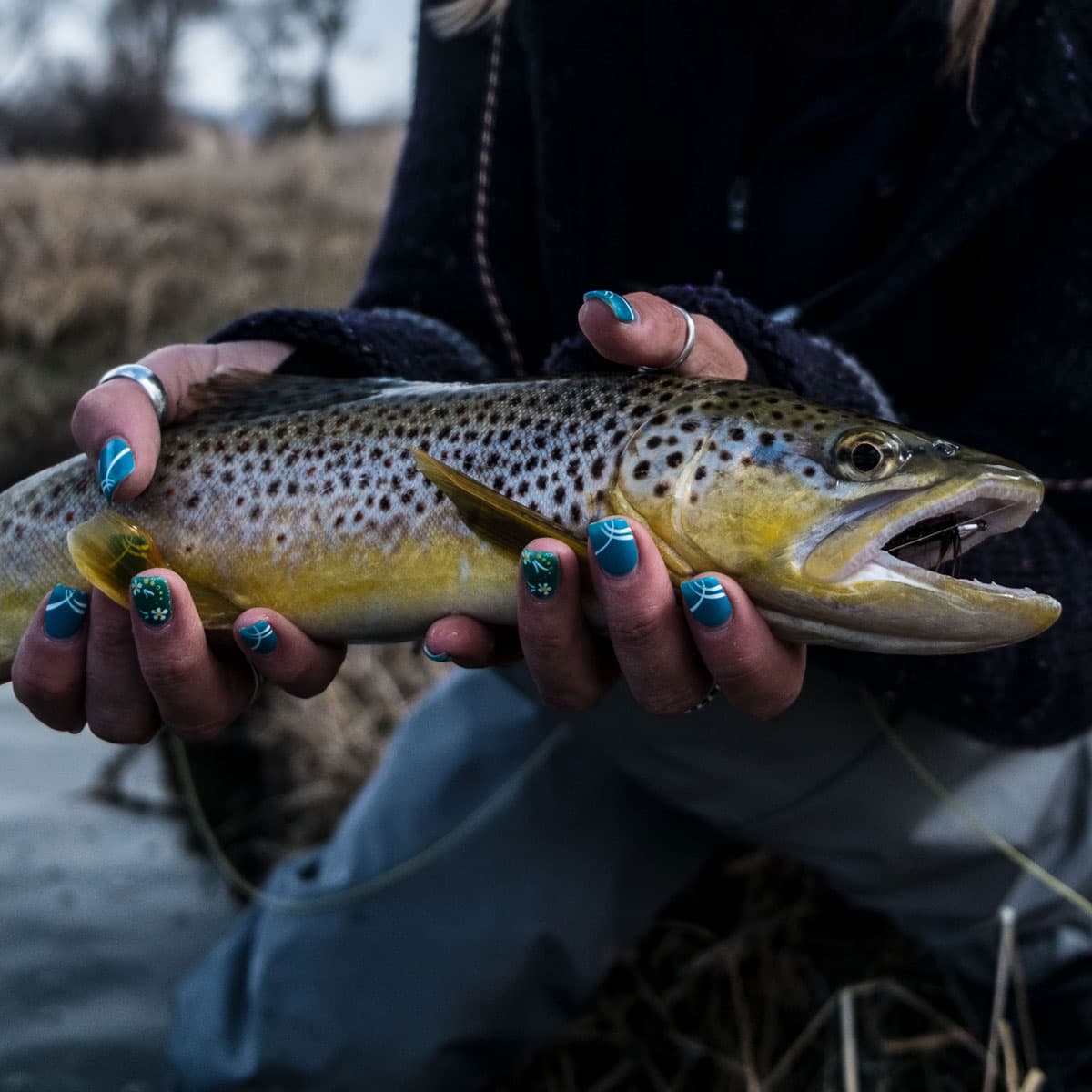
What is an American Brown Trout? The species first came to the U.S. in 1883, when a New York fish farmer named Fred Mather imported brown trout eggs from Baron Lucius von Behr, president of the German Fishing Society. (That’s why many folks refer to the fish as German browns.) Two years later, eggs from Scotland’s Loch Leven arrived and were sent to the same three hatcheries and the prevailing theory is that the genetic stocks were mixed to create what Robert Behnke calls the “American generic

2/1/2017Nome Buckman
Whip Finisher

Whip Finisher

A whip finisher is a knot tying tool for a fly tier.  This tool is very easy to use but still seems to mystify many out there.  To learn how to use a whip finisher click here. A whip finish is a great way to finish a fly with a knot and not need to add head cement to the fly.  Unlike a series of half hitch knots, a properly executed whip finish should not come apart. Although a whip finish knot can be accomplished by using fingers, in some cases the tool comes in handy; for example, when tryin

2/1/2017Dun Magazine
Fly Line Tapers

Fly Line Tapers

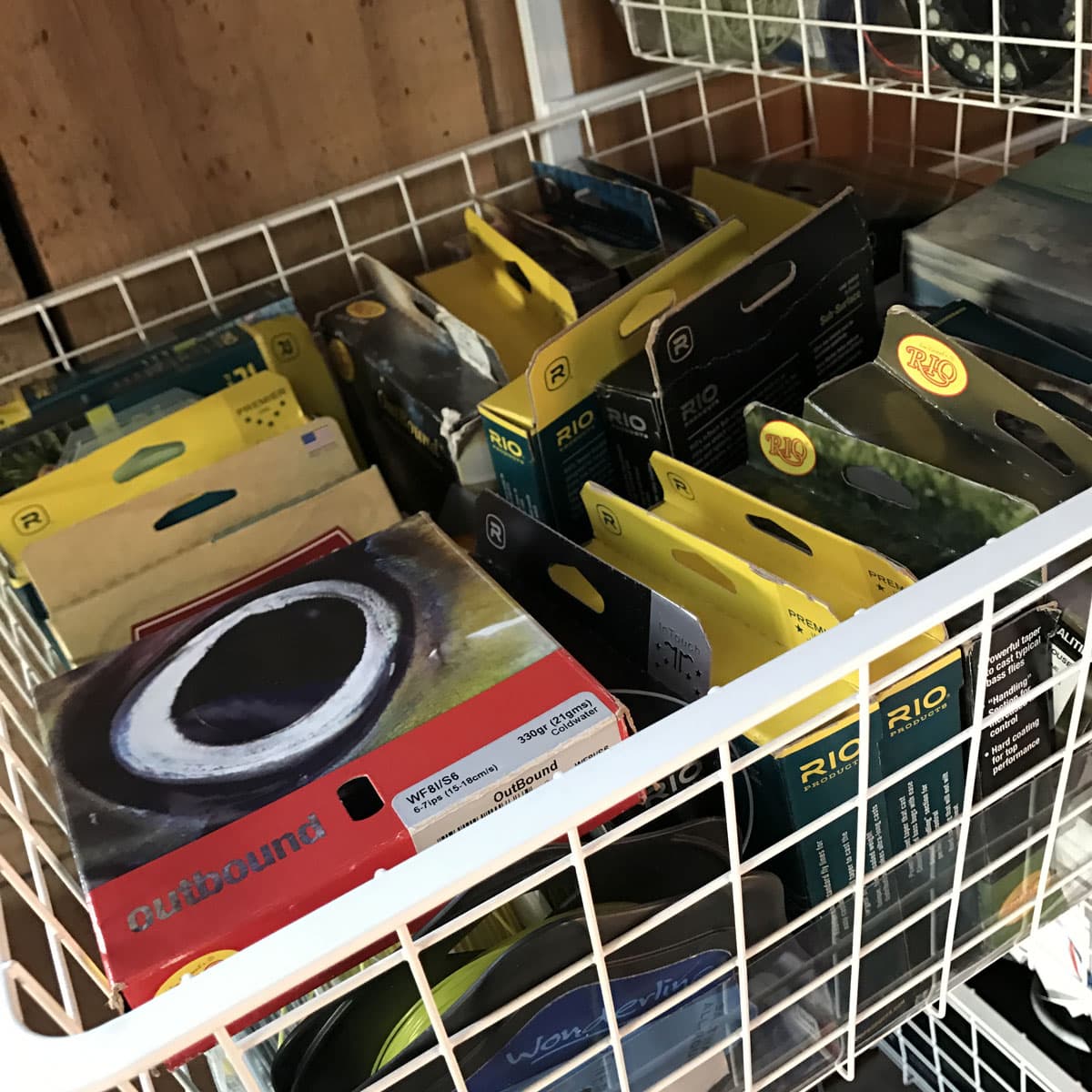
In this edition’s Firming Your Foundation, we are going to talk about line weights.  Now, remember this is a brief overview, and by no means a comprehensive package.  For the sake of time and sanity, we will be talking about weight forward, double taper, shooting head and level lines.  For the most part, the name of the line already explains a bit about it, but just to firm your foundation a bit more, we will go into detail below. Weight-Forward taper: As the name suggests, the weight forward (

2/1/2017Dun Magazine
Cul De Canard (CDC)

Cul De Canard (CDC)

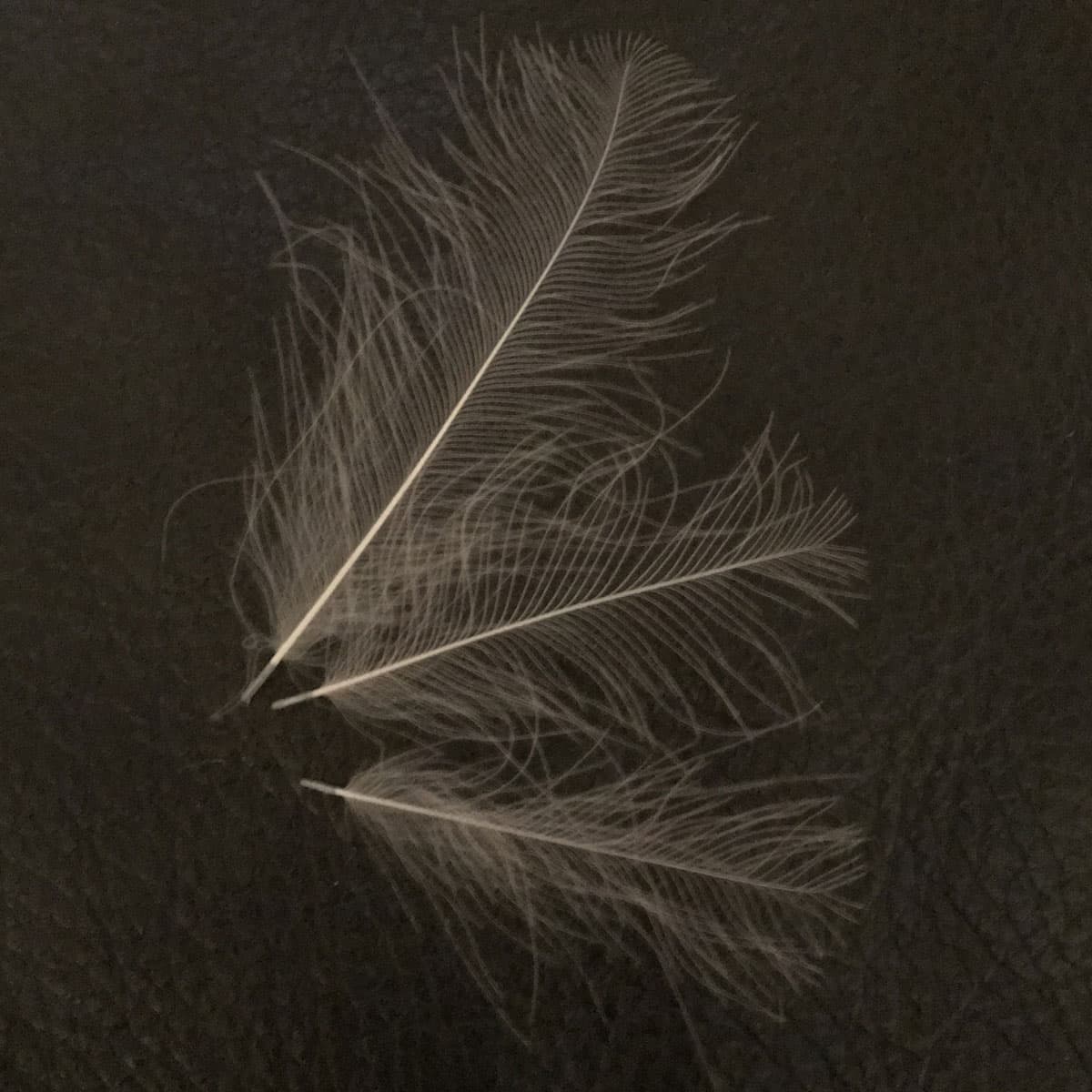
Cul De Canard better known as CDC is used primarily for dry flies such as the F Fly and the Moustique. The actual translation of Cul de Canard is duck butt even though these feathers are from the back of a duck directly around the preen gland and not from the butt (that doesn't stop us from calling them duck butt feathers).   The preen gland secrets an oil that the duck uses for cleaning and waterproofing.  This makes these feathers very buoyant. It is very important to note that using gink or

1/31/2017Dun Magazine
The Smallmouth

The Smallmouth

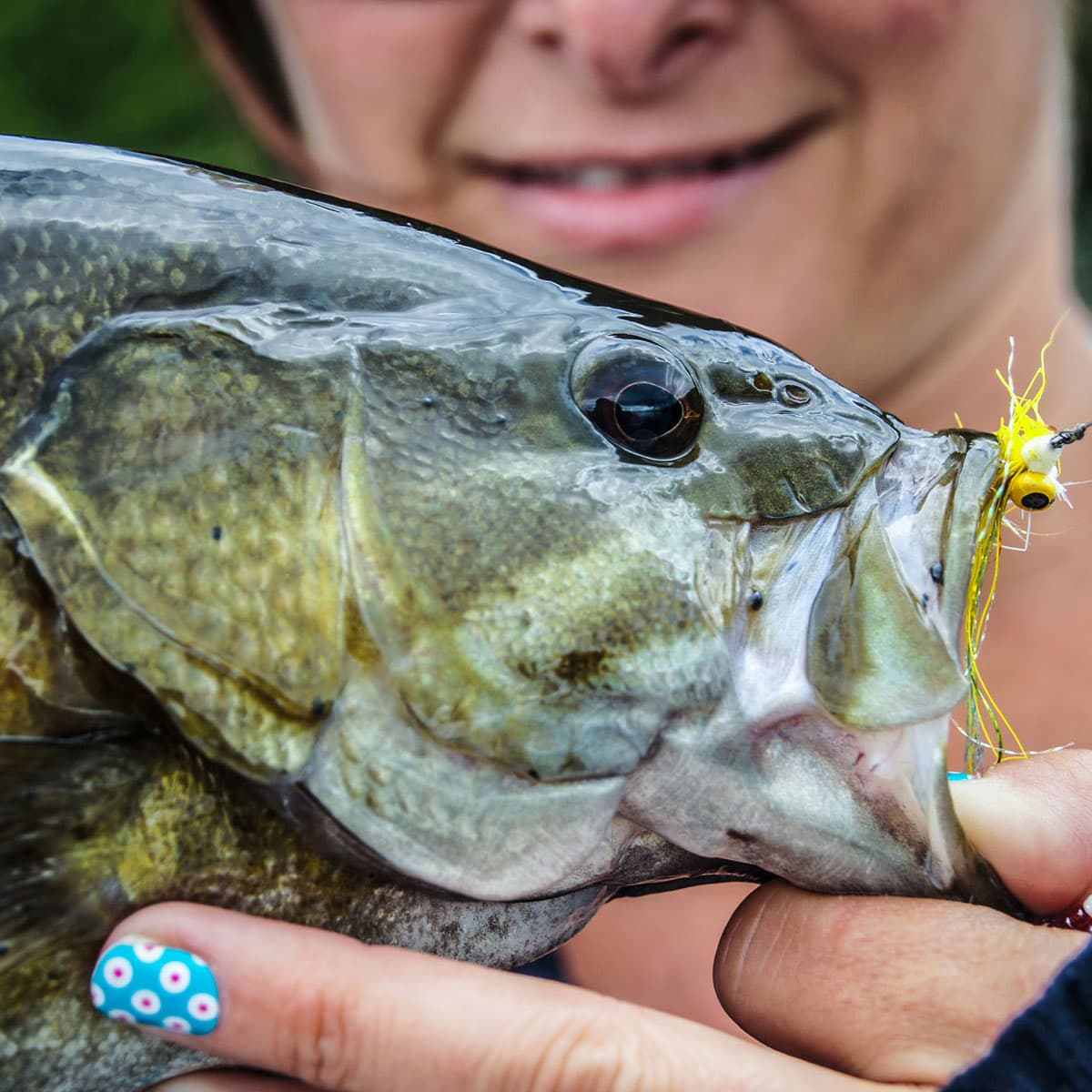
Everyone on staff at DUN Magazine is in love with Smallmouth.  If you have not fished for Smallies on the fly, you should put this predator on your list. A Smallmouth is a popular freshwater game fish which is part of the SUNFISH family.   Yes, you read that right! HABITAT Their native habitat is the upper Mississippi, the Ohio, lower Missouri watersheds and most of the Great Lakes. WHEN AND WHERE When fishing for Smallies, water temperature plays a huge role.  We start fishing for them when

12/1/2016Dun Magazine
The Bodkin

The Bodkin

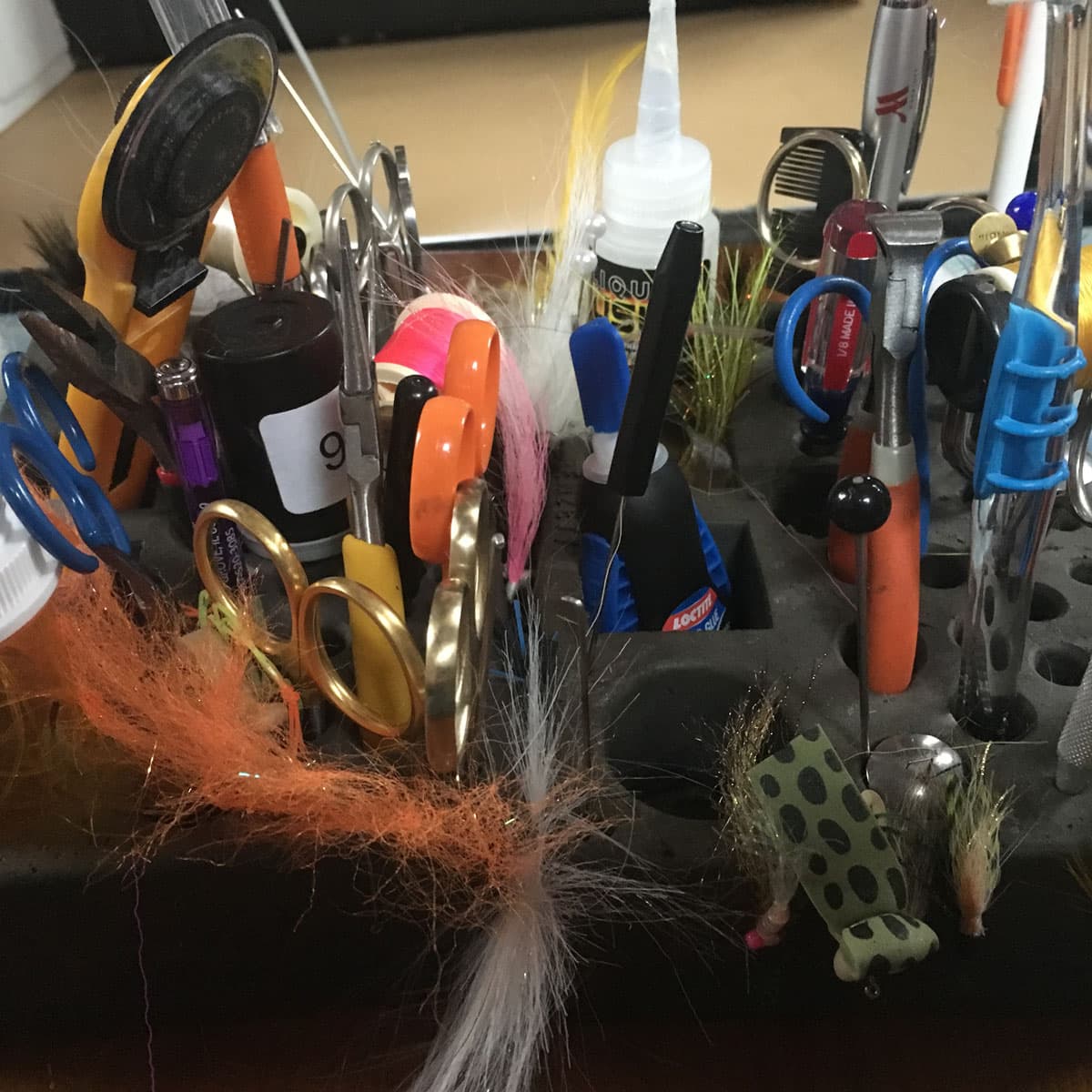
Spend any time around fly tiers and someone is bound to bring up the term bodkin or ask you if they can borrow yours.  At that point, knowing what a bodkin is could be quite helpful. What is a bodkin? A bodkin is basically a needle in a holder for easy use.  Bodkins can make many aspects of tying easier.  Here are a few ways that we use our bodkins. 1)  Applying head cement to a finished fly. 2)  Picking out trapped fibers after wrapping or palmering a material. 3)  Stabbing your next door

12/1/2016Dun Magazine