
The Smallmouth
A close-up with a yellow streamer still in its jaw, caught by an angler who clearly can't stop grinning.
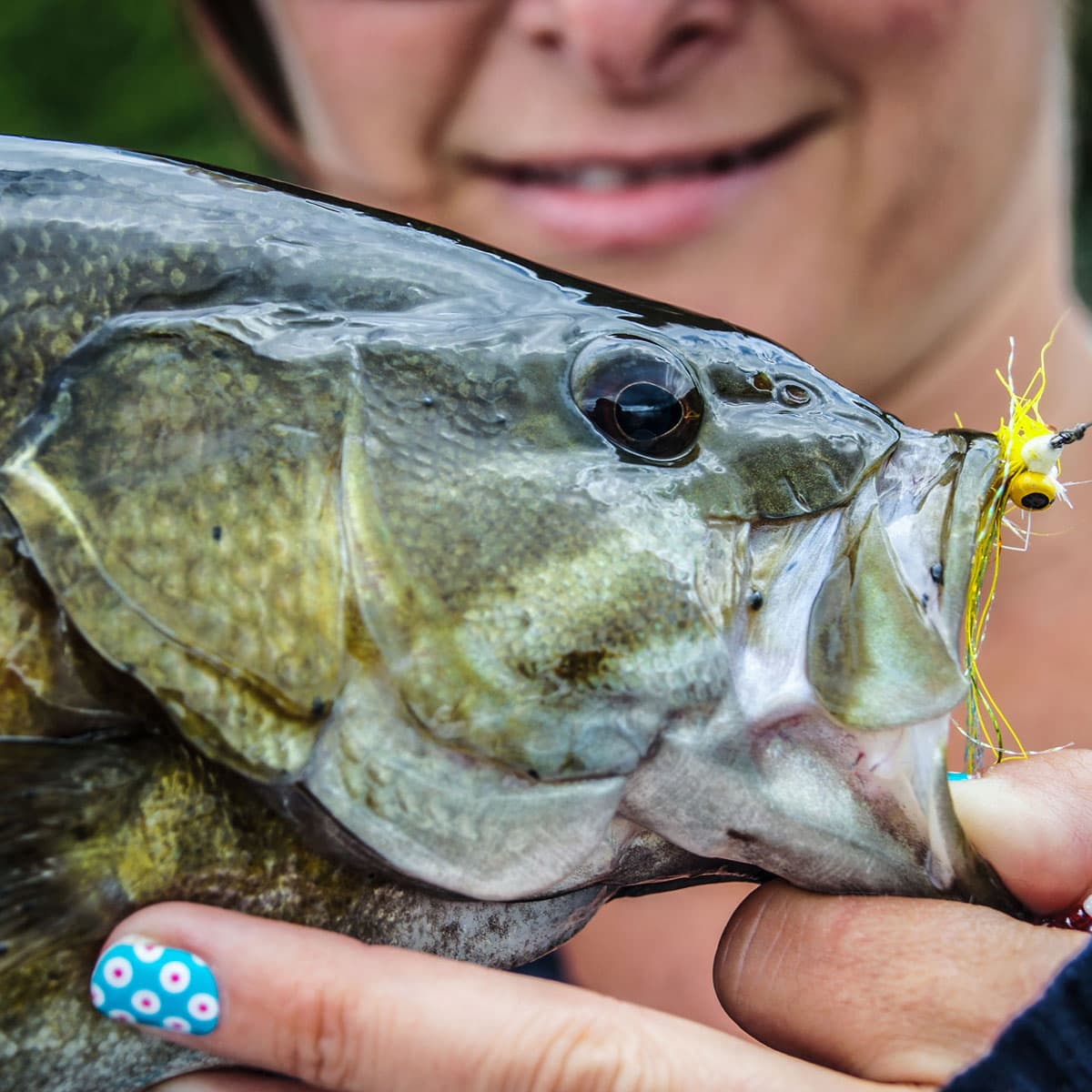
Everyone on staff at DUN Magazine is in love with Smallmouth. If you have not fished for Smallies on the fly, you should put this predator on your list.
A Smallmouth is a popular freshwater game fish which is part of the SUNFISH family. Yes, you read that right!
HABITAT
Their native habitat is the upper Mississippi, the Ohio, lower Missouri watersheds and most of the Great Lakes.
WHEN AND WHERE
When fishing for Smallies, water temperature plays a huge role. We start fishing for them when water temps reach 42 degrees. You will find them in the slower, deeper pools, usually schooled up by size.

Once water temps reach 60 degrees and above, Smallies become much more active and begin to spawn. In the Midwest, Smallies are not normally stocked, so do us all a favor and LEAVE THE FISH SPAWNING ON BEDS ALONE.
Throughout the summer, you will find Smallies close to structure, like the riverbank or ledges. This is the most popular time to fish Smallies, as they are extremely aggressive and love to eat flies. When one is hooked, you will often times see another trying to steal the fly out of its mouth. This is the perfect time for doubles on the fly.
GEAR
Rod weight depends on the size of the water you are fishing. Large water, heavier rod. Small water, smaller rod. We tend to fish 6 wt rods and up for Smallies in our area. We target larger Smallies with streamer patterns like Clouser minnows and articulated craft fur minnow patterns, but also love to fish for them on top water patterns!
Keep reading
More on Field Manual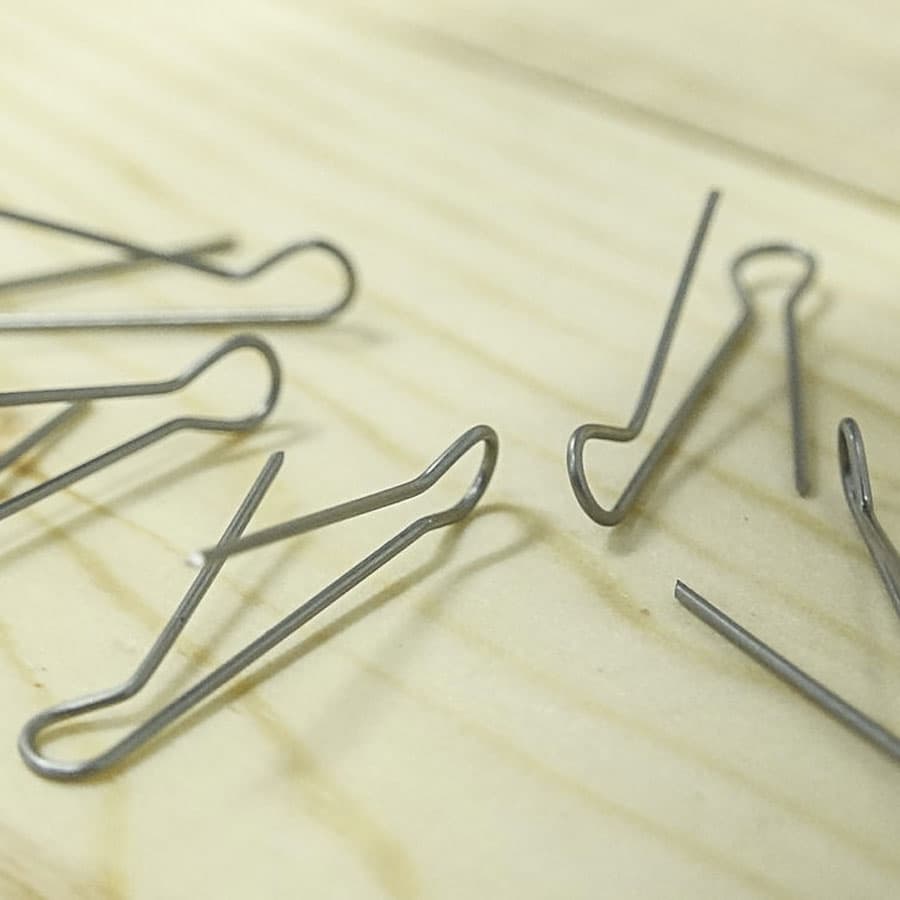
Articulating Shanks
A handful of bent wire hooks that turn into big, hungry-fish flies, tested on tiger musky and bound for striped bass next.
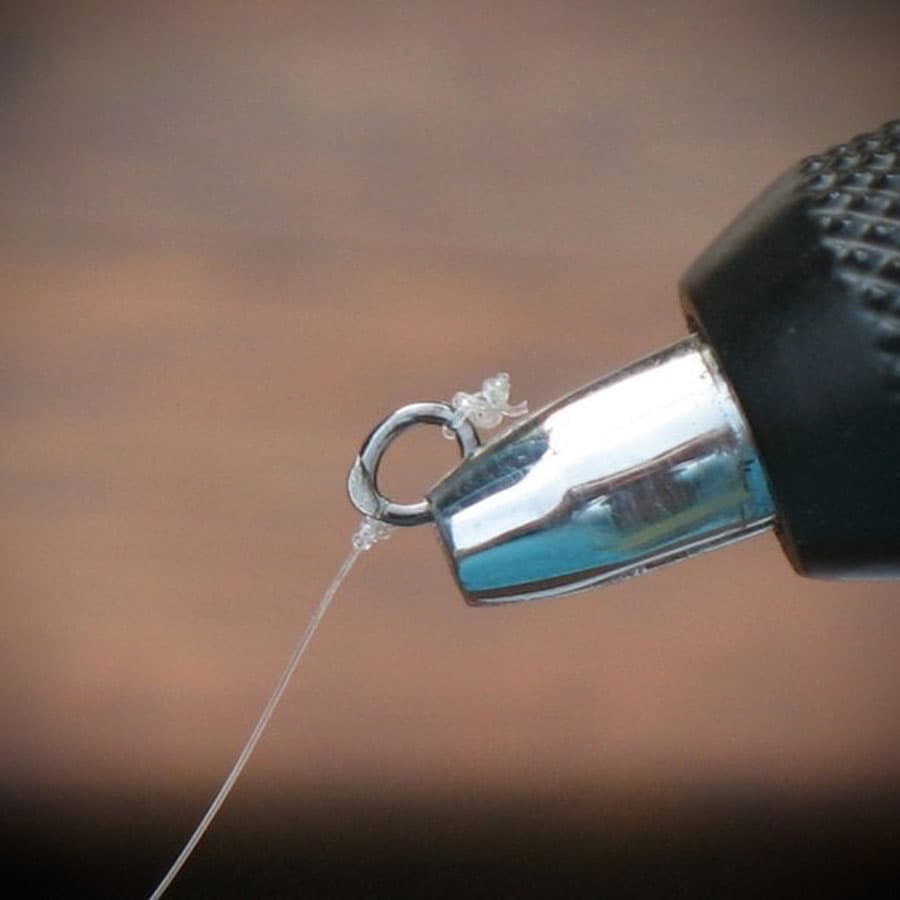
Tippet Rings
A tiny metal ring saves your leader and your knot-tying patience, one season at a time.
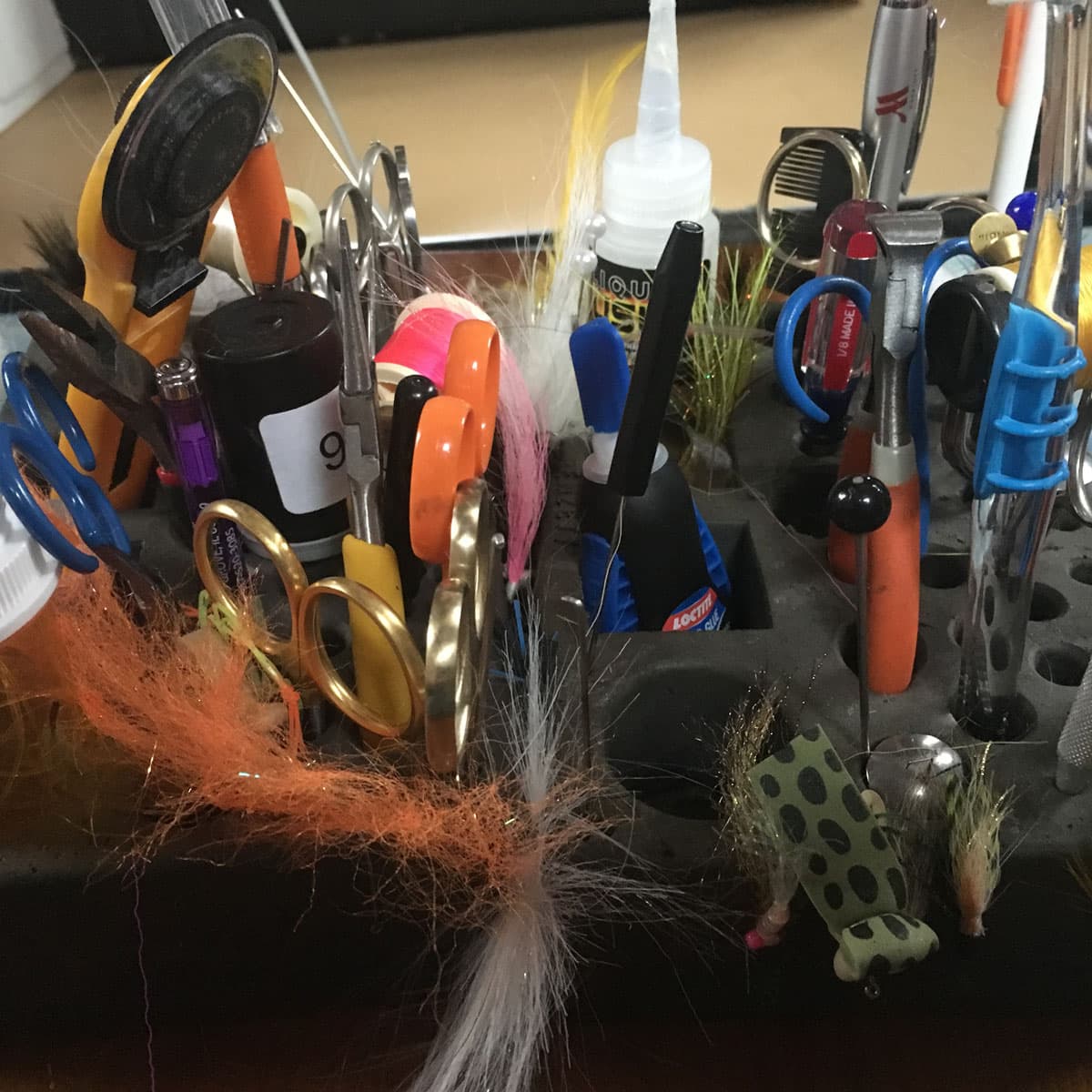
Whip Finisher
A cluttered vise tray full of scissors, bobbins and half-finished flies, and the one small tool that ties them all off clean.
Fly Line Tapers
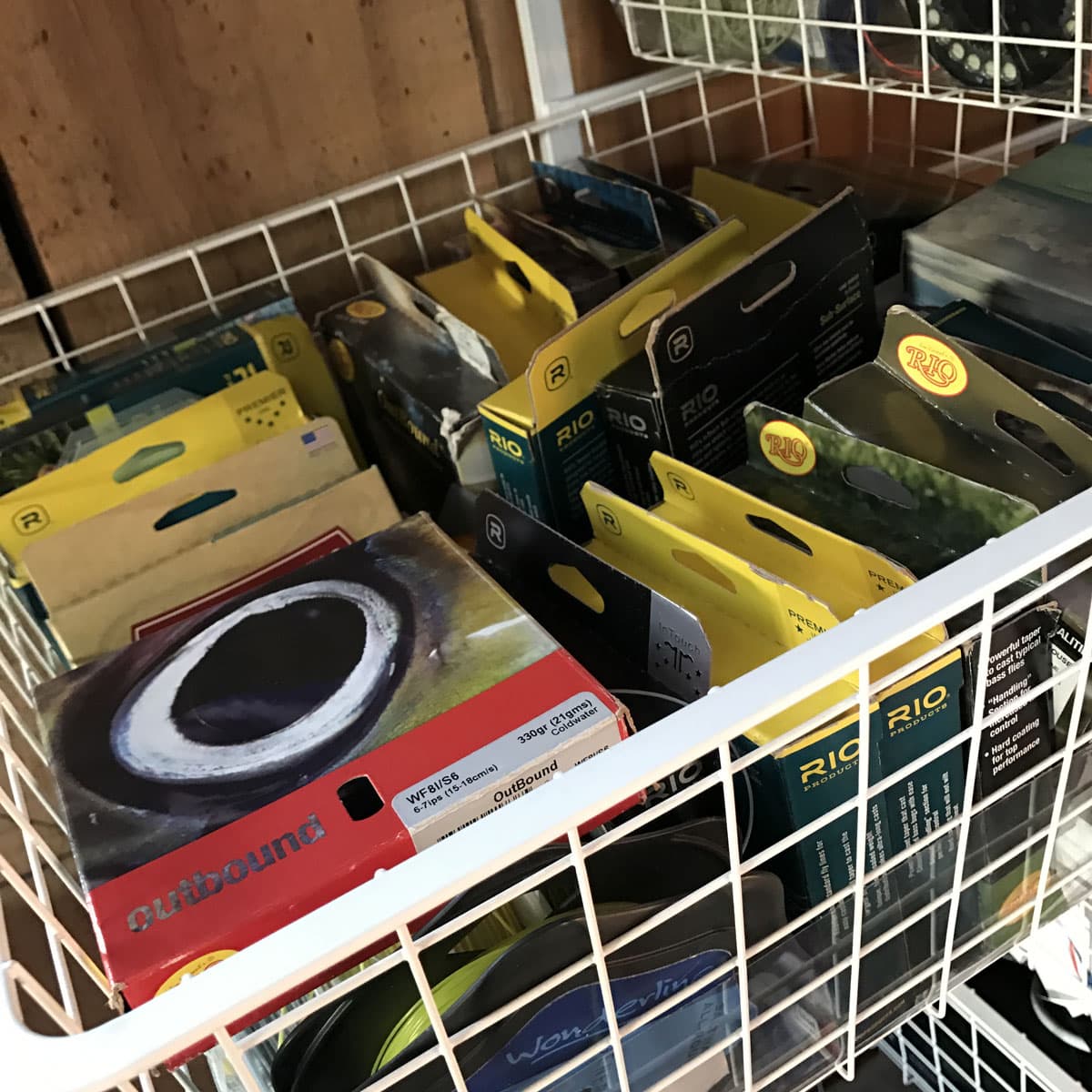
Weight forward, double taper, shooting head, level—what those names on the box actually mean for your cast.
American Brown Trout
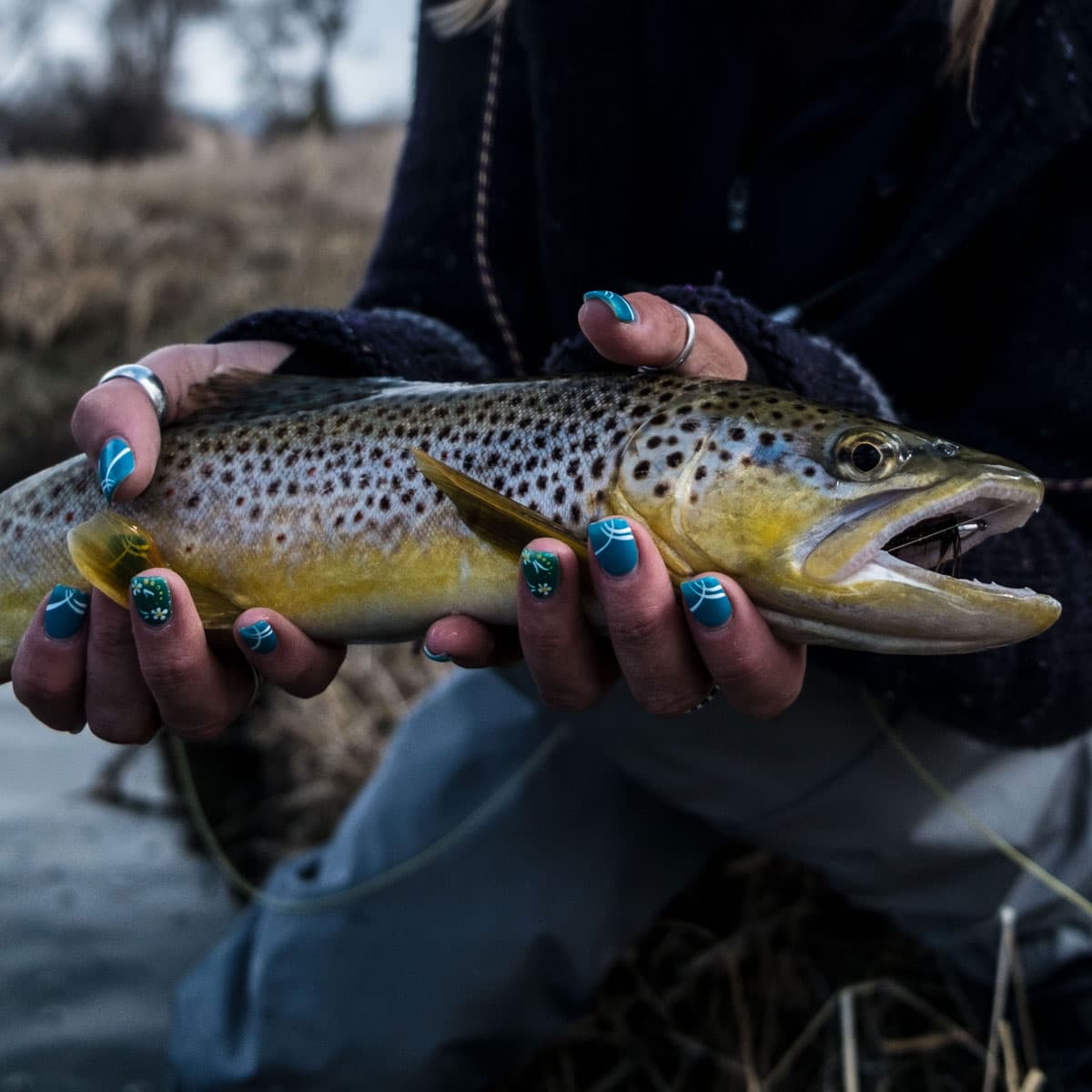
A spotted brown trout, teal nail art, and the tangled, mixed-up genetic history of a fish that's more American mutt than purebred.
Cul De Canard (CDC)
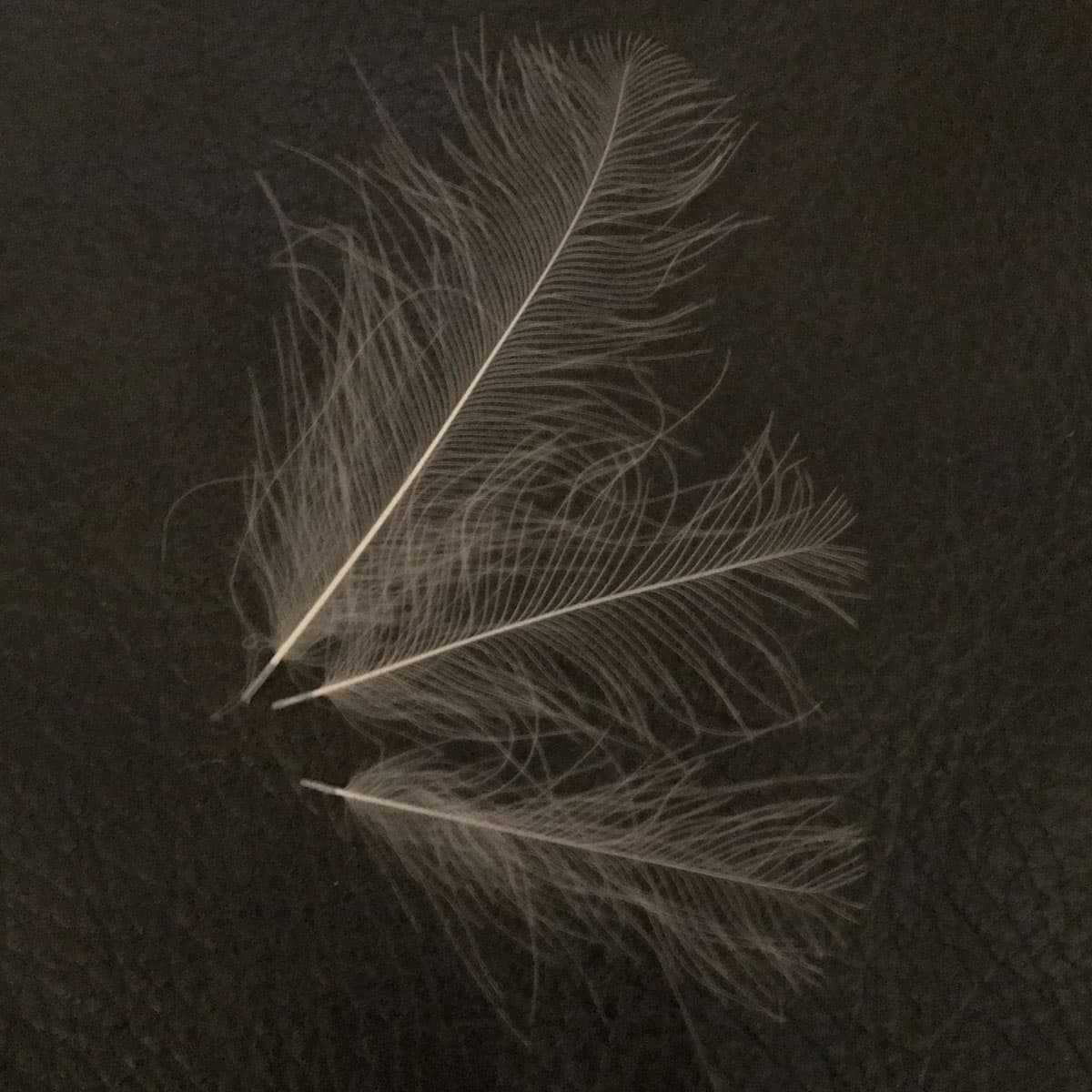
Three downy feathers from a duck's preen gland, the secret behind dry flies that float themselves, if you treat them right.
Want more LEARN stories?
Join thousands of readers getting our best outdoor content. Free, no spam.
Join thousands of outdoor enthusiasts