5 Tips for Fly Tying
Five bench habits from Christian Bacasa: the half-hitch tool, mixing your own dubbing, the wedge slice, and what to do when your thread breaks.
Half-Hitch
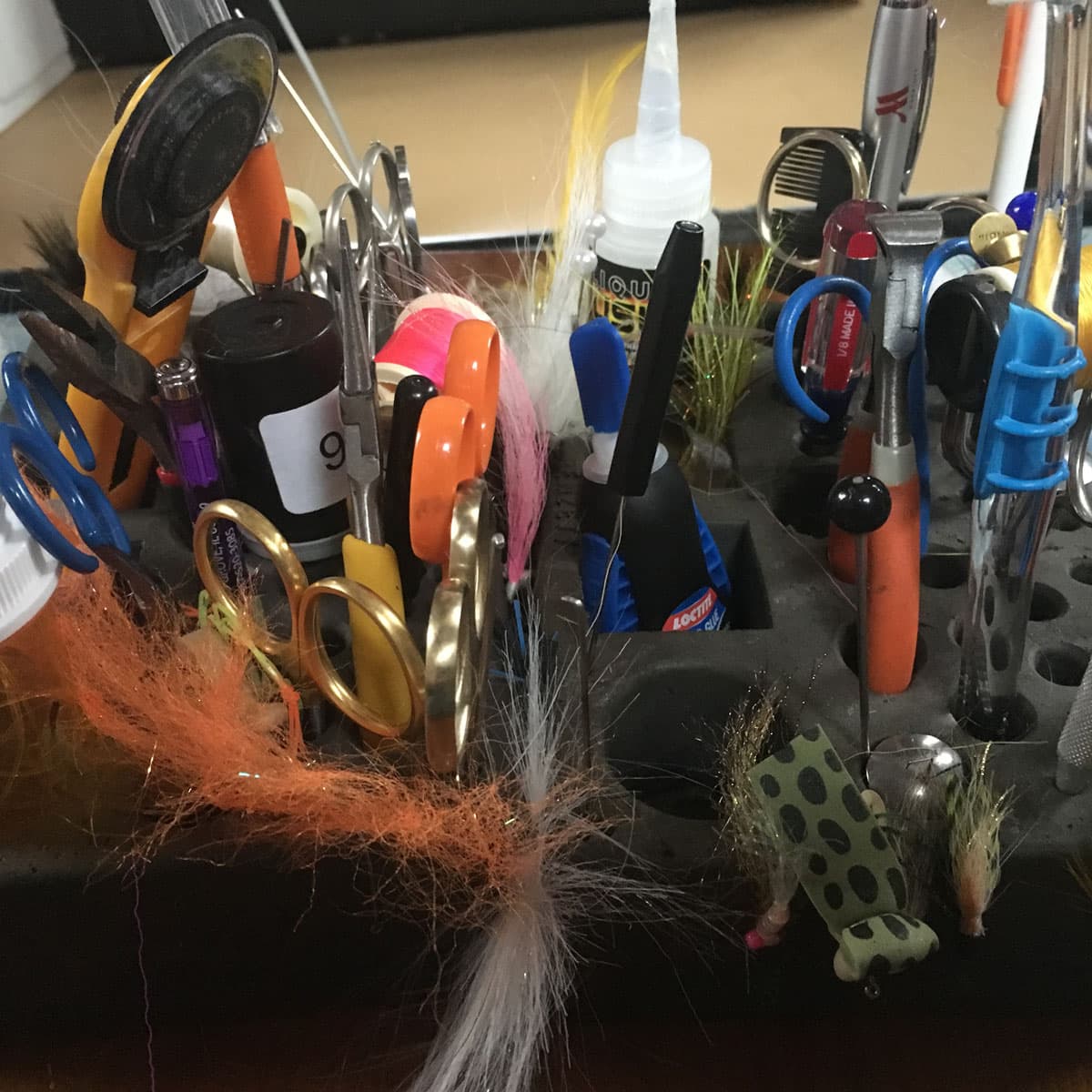
The whip finish is fantastic, but I’m always surprised how few people utilize the half-hitch. Half-hitch tools can be a lifesaver. Most of us crowd the head, and the half-hitch tool can save the day. Two wraps around the tool and slide it over the eye. This will often capture the overcrowding material and drive it back away from the eye while securing your fly before your final tie off. Add a whip or another half-hitch and glue it up. Half-hitching can also be implemented anywhere along the way when tying. Use one to secure materials from unraveling, or to secure your thread before using your vise’s rotary feature.
Mix to make the magic fly
Want a fly that looks like every other fly on the water? I like a fly that is slightly different than the other guy. Mix up your materials, become the mad scientist in his lab. Go extra or be subtle; it is your artistic preference. I, for example, love mixing in a touch of UV dubbing into my nymph patterns. Or mix and match wool for the head of a streamer. Come up with what you like then write down the ratio and create a little packet of your own so you can continue to tie that secret weapon throughout the season.
Wedge Slice
Scissors don’t just snip. Practice “wedge slicing” to avoid cutting the wrong thing in tight scenarios. For example, when you finish tying off a hackle, don’t snip the waste…wedge slice instead. Open your scissors and create that small v-wedge. Now the trick is to have what you are cutting under tension. Hold the hackle waste piece under tension and drive that wedge of the scissors over it. Don’t snip! Let the sharp blade of the scissors make the cut. This technique will prevent you from accidentally cutting the hackle barbs you actually want.
Hackle pliers for broken thread
Okay, you broke your thread. Now what? Don’t panic. Instead, take your hackle pliers and clip them to the broken thread on the hook shank. Doing so will maintain tension on the thread while you re-thread your bobbin. Now that you’re ready, start your tie again and lash down the old broken thread end. Clean up the former thread end with a ‘wedge slice.’
Try it with friends
Try tying with friends every once in a while. You’ll be surprised by what you learn from others and what you learn when teaching others. It’s fun too!
Visit DupeAFish.com for more!
Keep reading
More on Skills & How-To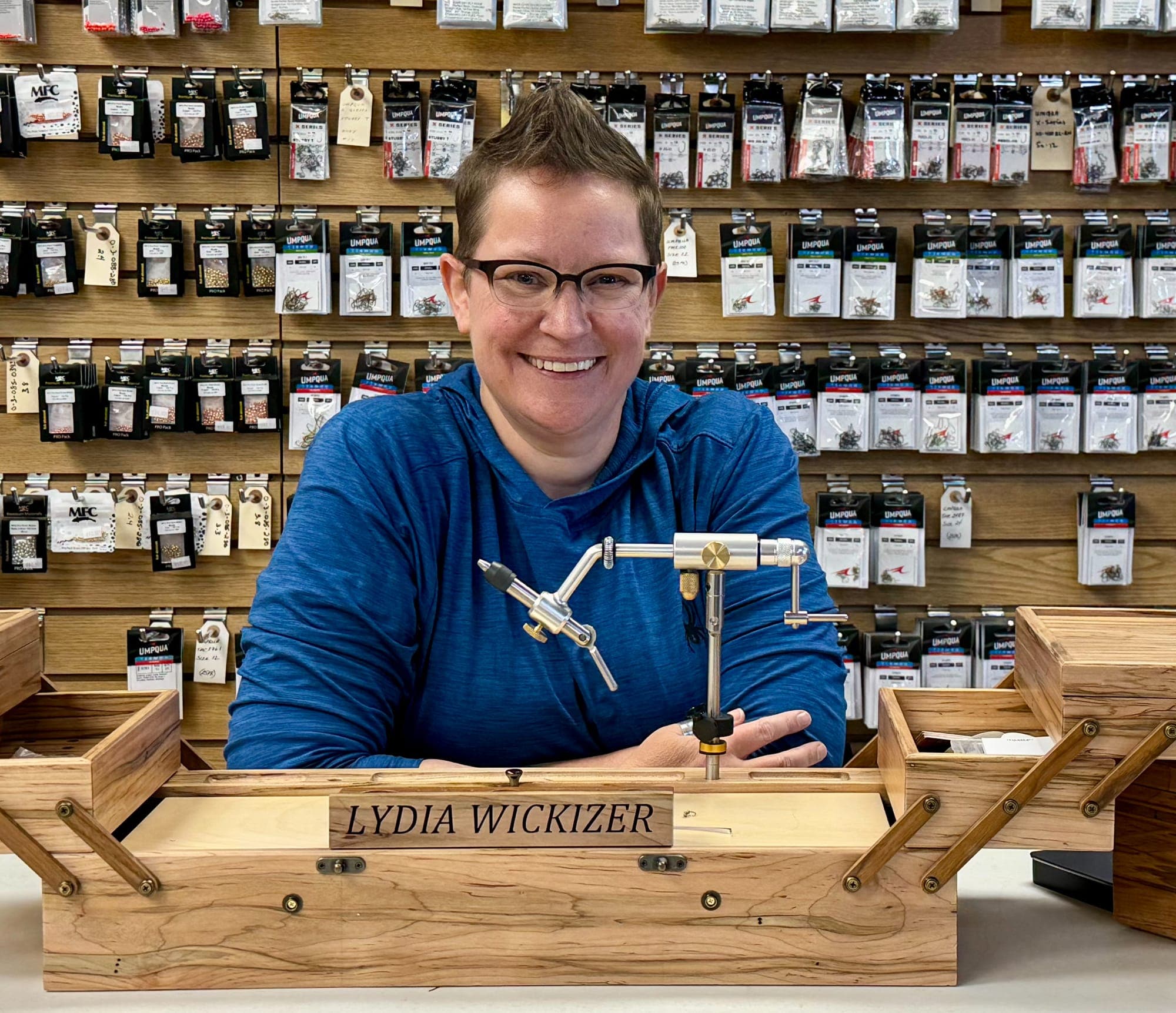
From Beginner to Demonstration Tyer: Lessons from My Journey at the Vise
A chance visit to Tyers Row at the Denver Fly Fishing Show sparked a love for fly tying and opened the door to a new community. This article follows one woman’s path from curious beginner to demonstration tyer, celebrating mentorship, persistence, and the growing presence of women behind the vise.

The Outdoor Layering System: What to Wear When the Weather Changes
Layering is the simplest way to stay comfortable outside when temperatures swing. This guide breaks down the three-layer system—base, mid, and shell—so you know what to wear, what to pack, and how to adjust before you get sweaty, cold, or caught in the wind.

A Guide to Photographing Your Fly Fishing
Good gear only gets you so far. Here's how to actually capture the stillness, the cast, and the catch worth remembering.

The Overlooked Skillset
A grinning angler shows off a hand-sized bluegill, proof that the right first fish can hook someone for life.

Tips to Improve Your Warm Water Lake Fishing
A big largemouth, a fly rod, and a lake day that proves warm water fishing deserves just as much attention as rivers.

4 Flies Every Trout Angler Should Know How to Tie
Four trout patterns worth learning at the vise, from a caddis dry that floats like a cork to a streamer named after a cookie.
Want more LEARN stories?
Join thousands of readers getting our best outdoor content. Free, no spam.
Join thousands of outdoor enthusiasts