The Outdoor Layering System: What to Wear When the Weather Changes
Layering is the simplest way to stay comfortable outside when temperatures swing. This guide breaks down the three-layer system—base, mid, and shell—so you know what to wear, what to pack, and how to adjust before you get sweaty, cold, or caught in the wind.

The outdoor layering system is actually quite simple. Wear a thin base layer that dries fast. Add a warm mid layer. Top it with a shell that blocks wind and rain. Then adjust as you move. This keeps you comfortable when the day starts cold and warms up fast.
This guide is written for women, and for the days that swing 25 degrees between the trailhead and lunch. Fishing, hunting, hiking, or walking the dog in shoulder season: it is the same system.
Why layers work better than one heavy jacket
Outdoors, your body runs in phases. You feel cold at the trailhead. You heat up after 10 minutes. You cool down the second you stop. Layers let you match those changes. One heavy jacket feels good at first. And then you start to sweat. Then you feel the chill. Layers keep sweat under control, and sweat control is warmth control. That’s the whole point of layering. As SITKA’s John Barklow explains: “These technical clothing systems aren’t meant to keep you dry as much as to dry out as quickly as possible.”
The three layers, in plain language
Base layer: the sweat manager
This layer sits against your skin. It should pull sweat away and dry fast.
Look for:
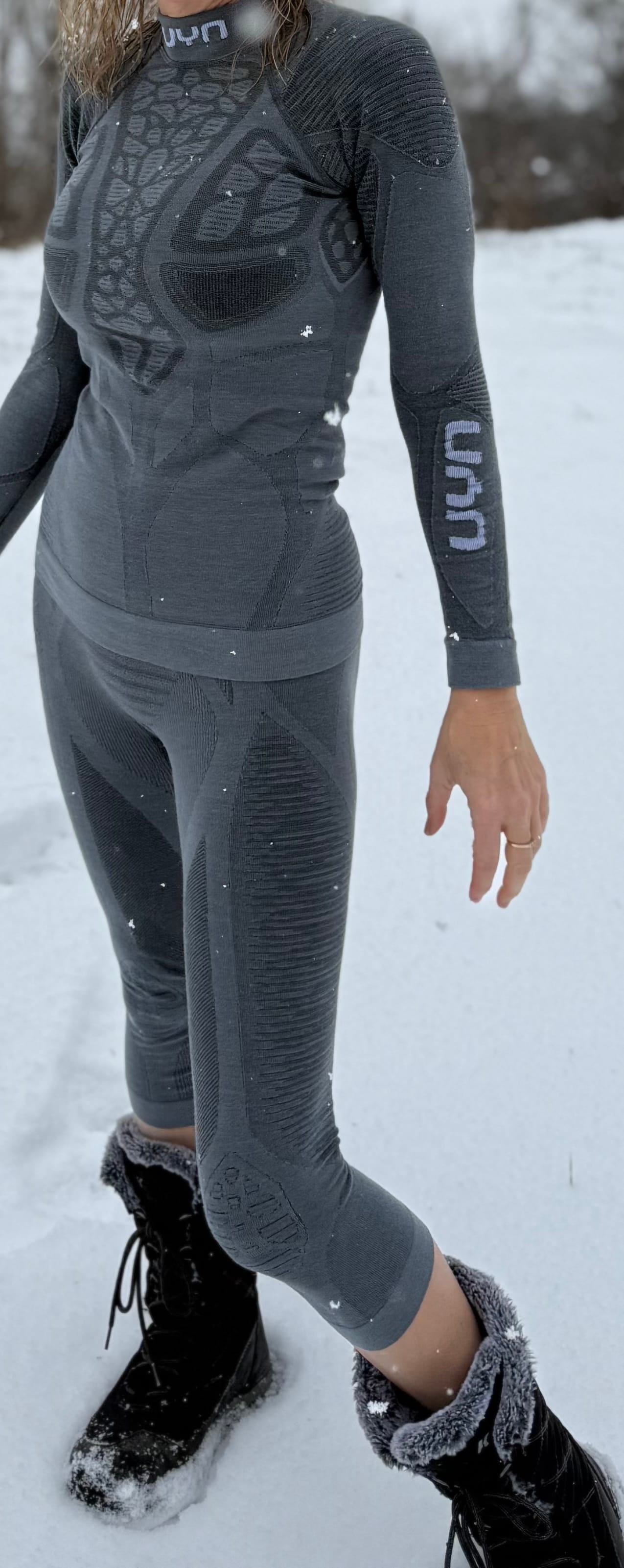
- Merino wool or synthetic like this Elevatyon Biomorph line made from bio-based fibers from UYN
- A close fit that stays comfortable
- Long sleeves in cold weather
Skip:
- Cotton tees and cotton leggings
Cotton holds water. Wet cotton turns cold fast. Cotton kills.
Mid layer: the heat holder
This layer traps warm air. It matters most when you stop moving.
Good mid layers:
- Fleece
- Light puffy jacket like the Heavenly Hooded Jacket by Columbia.
- Wool sweater
A fleece is an easy starter piece. It stays warm even when it gets damp.
Shell: the weather blocker
This layer blocks wind and sheds rain or wet snow.
A shell can be a:
- Rain jacket - even something as simple as a rain jacket like this one from REI will do the trick.
- Wind jacket
- Softshell jacket
Wind matters more than most people think. A light shell can feel warmer than a thicker sweater.
Fit and comfort notes for women
Layers work best when you can move. Tight shoulders, tight hips, and pinching waistbands ruin the system.
Use these checks:
- Lift your arms overhead. Your base layer should not ride up.
- Sit down and stand up. Pants should not bind.
- Zip your shell over your mid layer. It should not feel tight.
Size for movement, not for a mirror. No one is going to look at the size inside of your clothing - except you!
The rule that keeps you from sweating
Start slightly cool.
If you feel perfectly warm at the car, you will sweat on the trail. Sweat soaks your base layer. Then you cool off fast during breaks.
Aim for “a little cool” for the first five minutes. Your body will catch up.
A quick layering plan for common conditions
Cool and dry, light wind
- Base layer top
- Light fleece
- Wind shell in your pack
Cold and dry
- Base layer top and bottom
- Fleece or puffy
- Wind shell
- Hat and gloves
Cold and wet
- Base layer
- Fleece
- Rain shell
- Extra dry socks in your pack (make sure they're wool and not cotton!)
Wet weather is the hardest on comfort. Bring one extra warm layer for breaks.
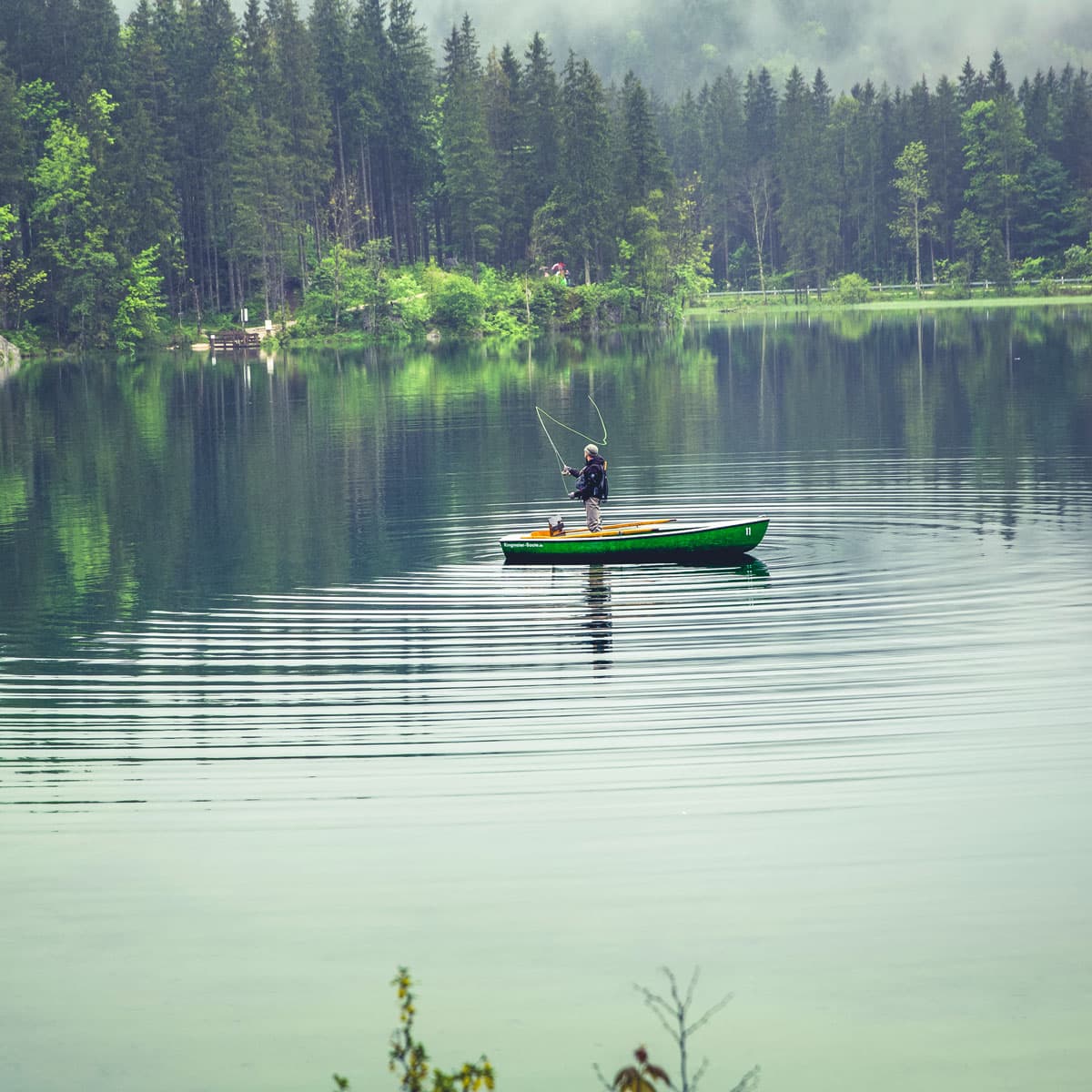
A fall morning on the river
A September day on the water often starts near 40 degrees and reaches 65 by noon. Wear a base layer top and a light fleece under your waders, keep the wind shell in the pack for the drive out, and shed the fleece at the truck once the sun is on the water. For the bottom half, see What to Wear Under Your Waders.
What to do when you get too warm
Do not wait until you sweat hard.
Use this order:
- Open zippers.
- Take off your hat or gloves.
- Remove the mid layer and keep the shell handy.
- Slow your pace for two minutes.
Small changes early prevent big discomfort later.
What to do when you stop moving
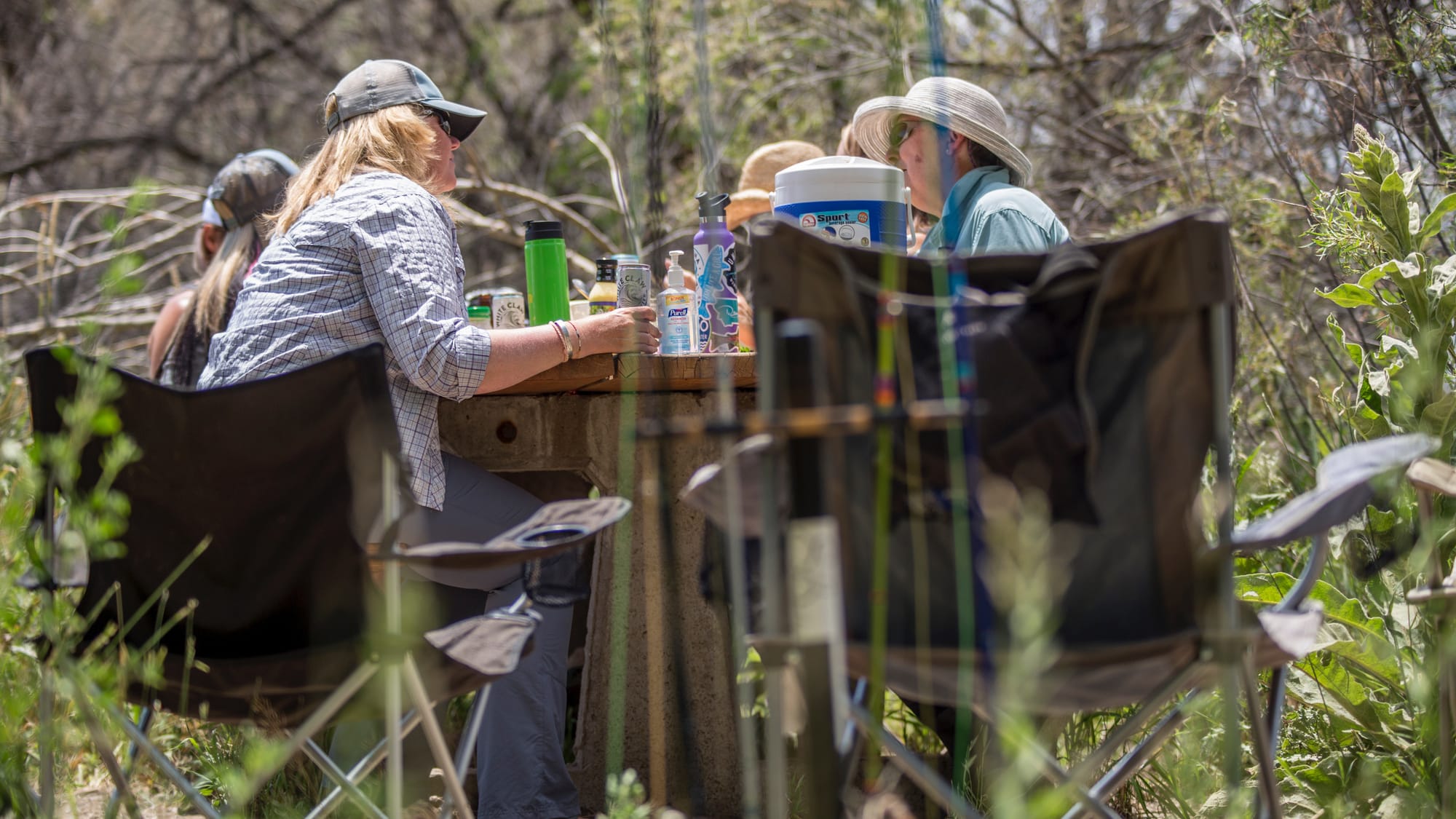
Most people get cold during snacks, photos, and trail chats.
Use a simple habit:
- Put on your warm layer as soon as you stop.
- Take it off when you start moving again.
This feels fussy at first. Then it becomes automatic. It also keeps you safer in colder weather.
Bottom half matters too
Many beginners focus on jackets and forget legs.
A solid cold weather combo:
- Base layer leggings
- Hiking pants or softshell pants
Jeans hold moisture and restrict movement. Save them for town.
The small items that make a big difference
These are the pieces that fix most “I’m miserable” moments.
Bring:
- Hat that covers ears
- Gloves that let you use your phone
- Neck gaiter or scarf
- Extra socks
- Sunglasses in snow or bright sun (and especially when fishing!)
- Small hand warmer packets that fit easily in any pack
Cold hands can end a day early. Pack gloves even on mild days.
A beginner-friendly layering starter kit
You do not need a closet full of gear. Start with a small set you can reuse.
A smart starter kit includes:
- One merino or synthetic base top
- One fleece
- One rain shell
- One warm hat
- One pair of gloves
That set works for hikes, walks, travel days, and cool mornings on the water.
New to all of this? Start with How Do I Get Into the Outdoors If I Didn't Grow Up Doing It?
Common mistakes that make people cold
- Wearing cotton as the base layer
- Starting too warm and sweating early
- Forgetting wind protection
- Taking breaks without adding warmth
- Packing no spare socks on wet days
Most layering problems are simple. Fix one habit, and comfort jumps fast.
Care tips that keep layers working
- Wash wool on cold and air dry when you can.
- Wash synthetics with mild detergent and skip fabric softener.
- Hang shells to dry, then store them uncompressed.
A clean base layer moves sweat better. A clean shell sheds water better.
FAQs
Do I need merino wool, or will synthetic work?
Synthetic works well and costs less. Merino feels softer and stays less smelly.
Can I wear leggings as my only bottom layer?
On warm hikes, yes. On cold days, add hiking pants over them.
Do I need a big insulated coat for day hikes?
Not for most hikes. A warm mid layer plus a shell covers more conditions.
How many layers should I carry?
Wear two, carry one. On cold days, carry two. One should be a warm layer.
What is the fastest way to warm up on a break?
Add your warm layer, block wind, and eat a snack with calories.
Want more LEARN stories?
Join thousands of readers getting our best outdoor content. Free, no spam.
Join thousands of outdoor enthusiasts