Hook Anatomy
Hooks and hair, bare and ready: a close look at the parts that make a fly actually work.

Eye: The eye of the hook is where the tippet is tied. The eye can be up-turned, down-turned, or straight. In general, Spey style and salmon hooks have up-turned eyes, dry fly and wet fly hooks have down-turned eyes, and streamer, bass and saltwater hooks have straight eyes. The orientation of the hook eye is largely aesthetic and only comes into play when a knot used to attach the fly to the tippet is affixed to the shank and not the hook eye.
Shank: The shank is where the fly is tied and can be thought of as the backbone of the hook. The shank of the hook is usually straight, but can also be curved for Spey and Salmon style hooks, as well as living nymph hooks. The shank length is measured in hook eyes. If a hook is 1XL, that means the hook’s shank is one hook eye longer than the standard hook shank. In like, 1XS means the hook’s shank is one hook eye shorter than the standard size.
Bend: The bend is the most important part of the hook. This is the part of the hook that helps keep the fish attached to the hook after it has eaten the fly. There are many different types of bends. Some of the more common bends include: Model Perfect bend, Scud/Shrimp bend, and the Stinger bend. The bend style is based on the style of fly you want to tie. If you want to tie a streamer pattern, for instance, you would want to choose a stinger bend over a scud bend.

Point and Barb: The point is obviously the pointy part of the hook. Most modern hooks are chemically sharpened making them exceptionally sharp. For larger sized hooks, it is always good practice to sharpen the hooks with a file on a regular basis. The barb, traditionally used to keep bait on the hook, can also help keep the fish on the hook during the fight. One thing to remember about barbs is that many watersheds require barbless hooks. It is up to you to educate yourself on the rules where you fish.
Size: Hooks are generally sized in even numbers. The larger the number, the smaller the hook. That all changes once you get into large hook sizes. They are sized in “aught notation” starting at 1/0 (one-aught) and going up from there. There is no uniform standard for hook sizing. It is set by each manufacturer and can vary based on the hook style. As an example, a #2 dry fly hook and a #2 scud hook may not be remotely close to the same size.
Keep reading
More on Skills & How-To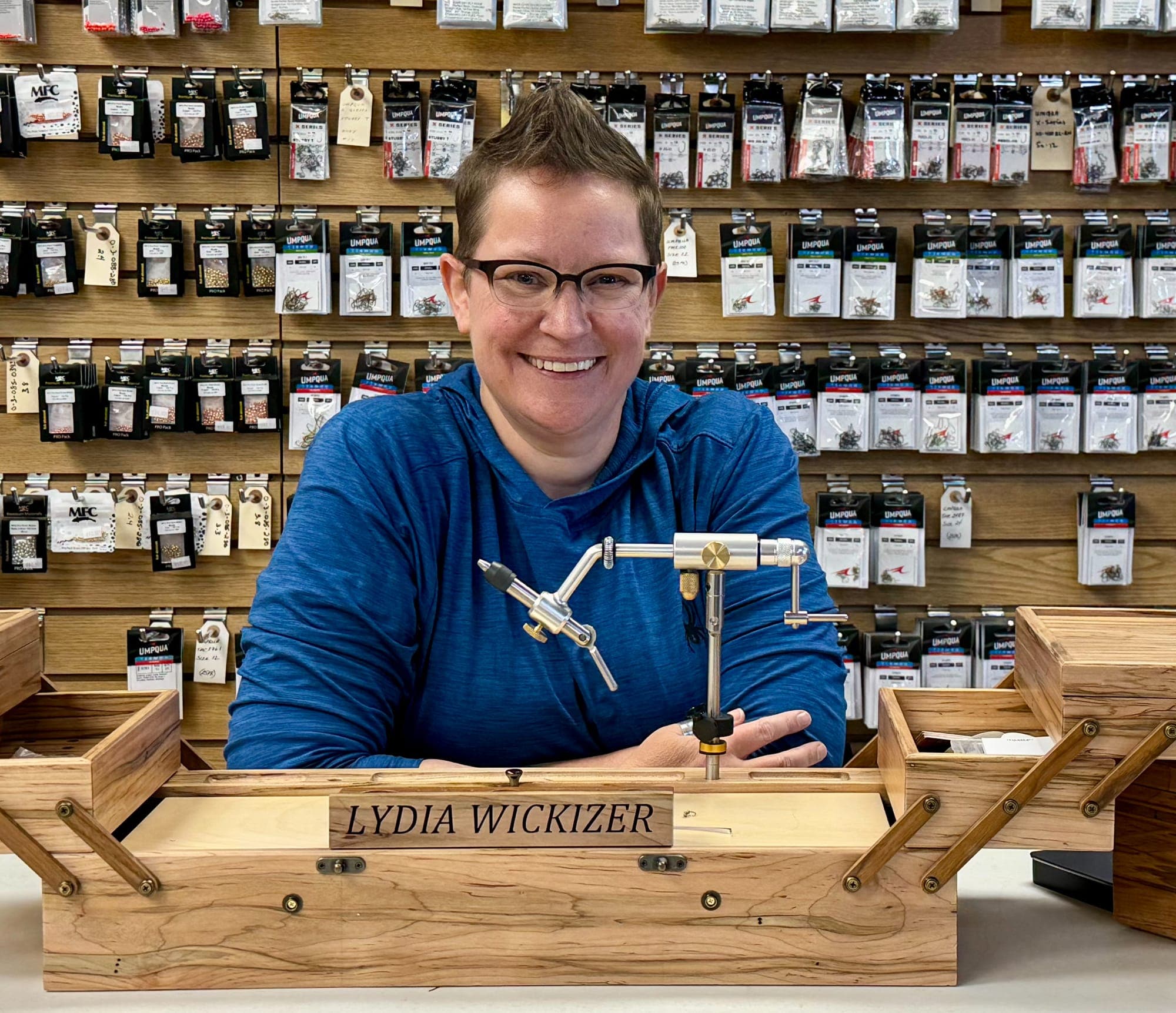
From Beginner to Demonstration Tyer: Lessons from My Journey at the Vise
A chance visit to Tyers Row at the Denver Fly Fishing Show sparked a love for fly tying and opened the door to a new community. This article follows one woman’s path from curious beginner to demonstration tyer, celebrating mentorship, persistence, and the growing presence of women behind the vise.

The Outdoor Layering System: What to Wear When the Weather Changes
Layering is the simplest way to stay comfortable outside when temperatures swing. This guide breaks down the three-layer system—base, mid, and shell—so you know what to wear, what to pack, and how to adjust before you get sweaty, cold, or caught in the wind.

A Guide to Photographing Your Fly Fishing
Good gear only gets you so far. Here's how to actually capture the stillness, the cast, and the catch worth remembering.
5 Tips for Fly Tying
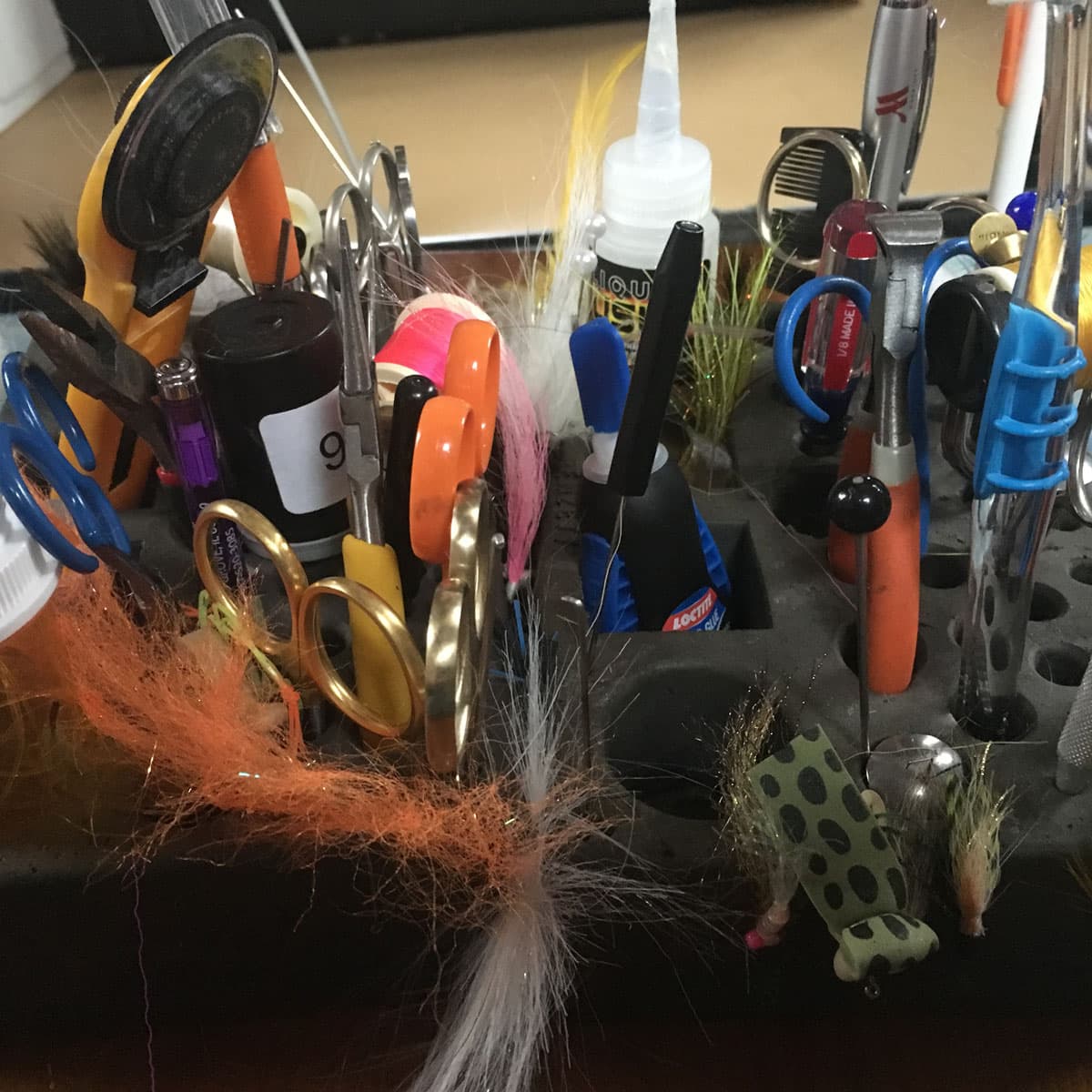
Five bench habits from Christian Bacasa: the half-hitch tool, mixing your own dubbing, the wedge slice, and what to do when your thread breaks.

The Overlooked Skillset
A grinning angler shows off a hand-sized bluegill, proof that the right first fish can hook someone for life.

Tips to Improve Your Warm Water Lake Fishing
A big largemouth, a fly rod, and a lake day that proves warm water fishing deserves just as much attention as rivers.
Want more LEARN stories?
Join thousands of readers getting our best outdoor content. Free, no spam.
Join thousands of outdoor enthusiasts