The Fly Reel
Click-pawl or sealed drag, large arbor or small, which hand turns the handle: the fly reel choices that actually matter.
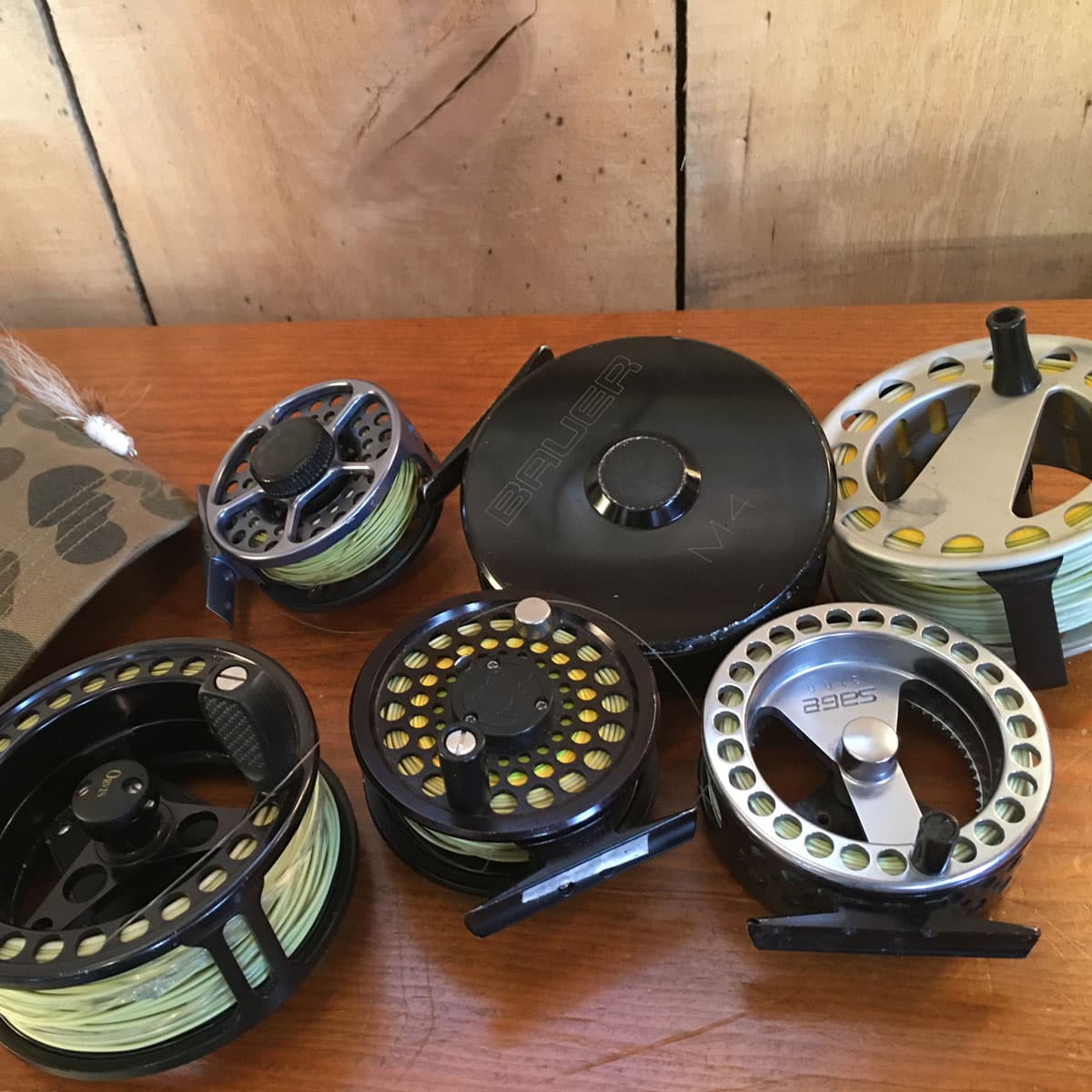
We've all been there. Standing in our local fly shop when the associate asks "What style of fly reel do you prefer?" For many freshwater fishing situations, the reel is mainly a line holder, but for hard fighting or big fish the reel becomes one of the most important pieces of equipment.
The Arbor
The arbor is the center of the reel that the backing and line are tied to and wound around. There are three general sizes of arbor: large, mid and small. The arbor you pick is not just about the look of the reel. Arbor size affects the weight, capacity and speed of retrieve of the reel.
The Drag System
Another defining characteristic is the drag system. Drag refers to the amount of tension that can be applied to the spool making it harder for a fish to take line off the reel. Drags can be as simple as a spring to complicated layers of carbon fiber washers and springs. One reel even uses a drag system based off the brakes of a fighter jet. In general there are three types of drags: click-pawl, sealed and unsealed. Each system has its pros and cons. We use reels with all of the various types of drags.

The drag systems and spools of the same reels.
Some factors to consider are:
Sealed drags keep all moisture, dirt and salt out of the drag but they are nearly impossible to fix while fishing.
Unsealed drags are easier to fix if something goes wrong, but need to be cleaned and cared for more while fishing in dirty situations.
Click-pawl reels don't have the adjustment in the drag system as the others. This, however, doesn't mean they are only for small fish.
Retrieve
Probably the most controversial aspect of fly fishing is which hand you reel with. While the modern standard is to reel with your non-dominant hand for all fishing situations, we feel it's more like what wine to have with dinner these days - whichever you like. If you find when reeling up to go home you wrap the line around your tip or move the rod up and down instead of the reel handle, try reeling with the other hand. Changing the retrieve direction is not hard, but should be done at your local fly shop. Not only does the line have to be wound on in the other direction, the drag also needs to be switched.
Keep reading
More on Field Manual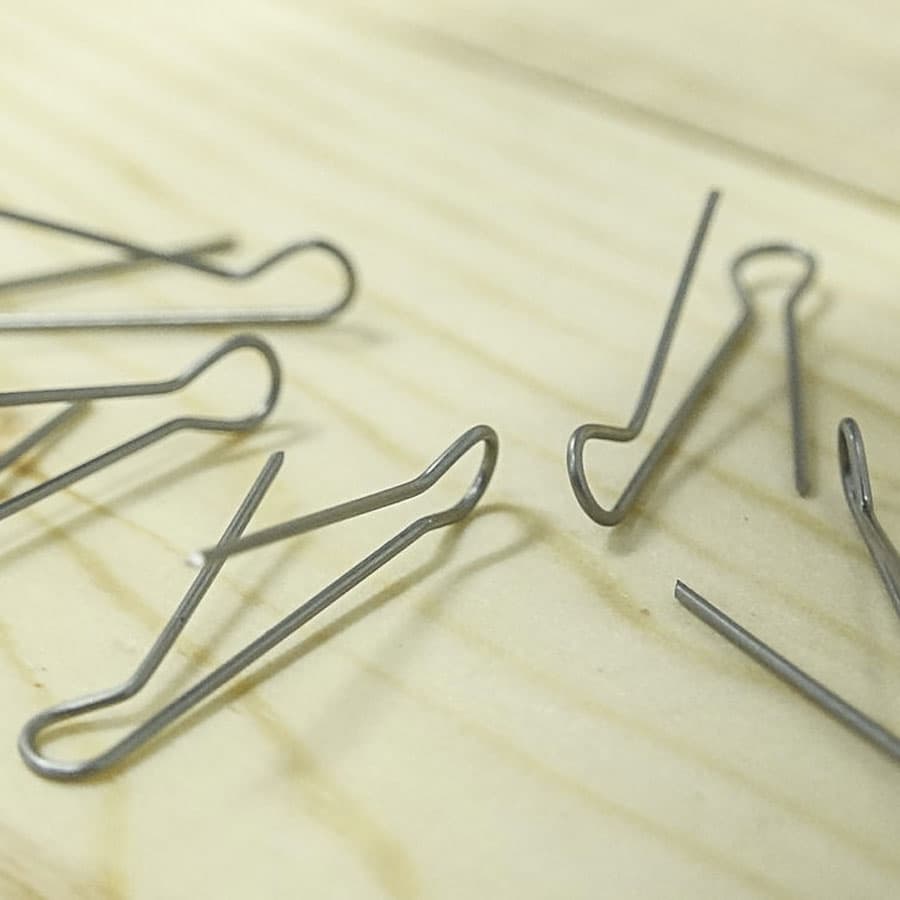
Articulating Shanks
A handful of bent wire hooks that turn into big, hungry-fish flies, tested on tiger musky and bound for striped bass next.
Tippet Rings
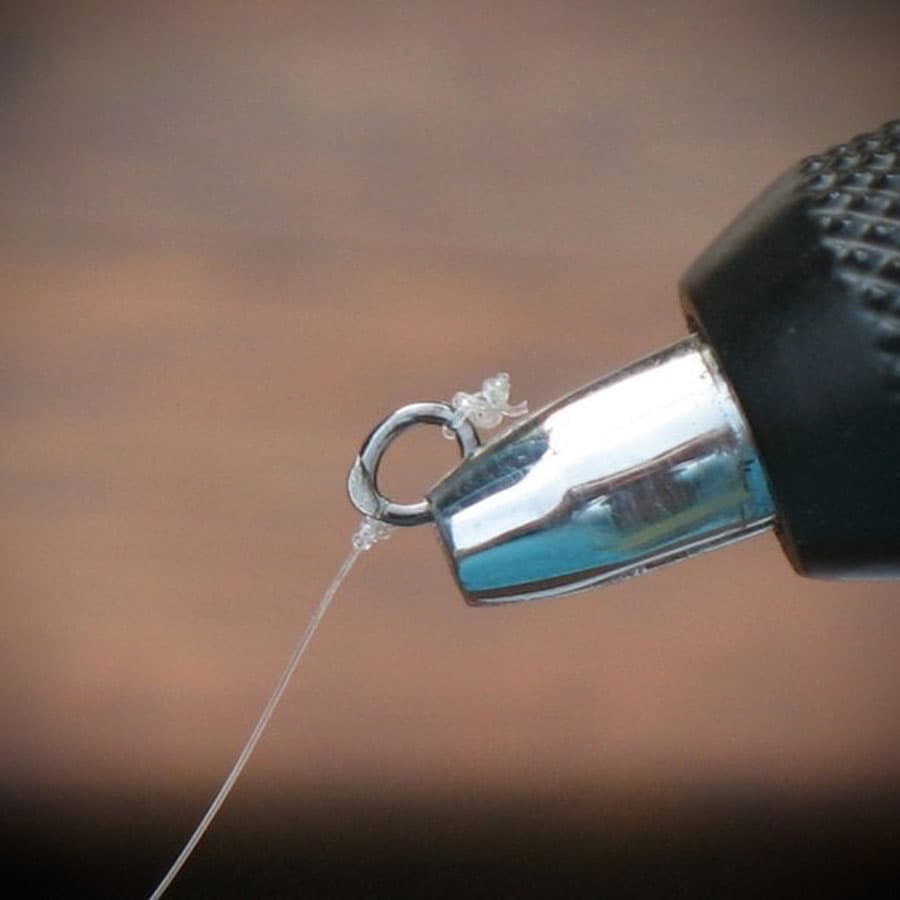
A tiny metal ring saves your leader and your knot-tying patience, one season at a time.
Whip Finisher
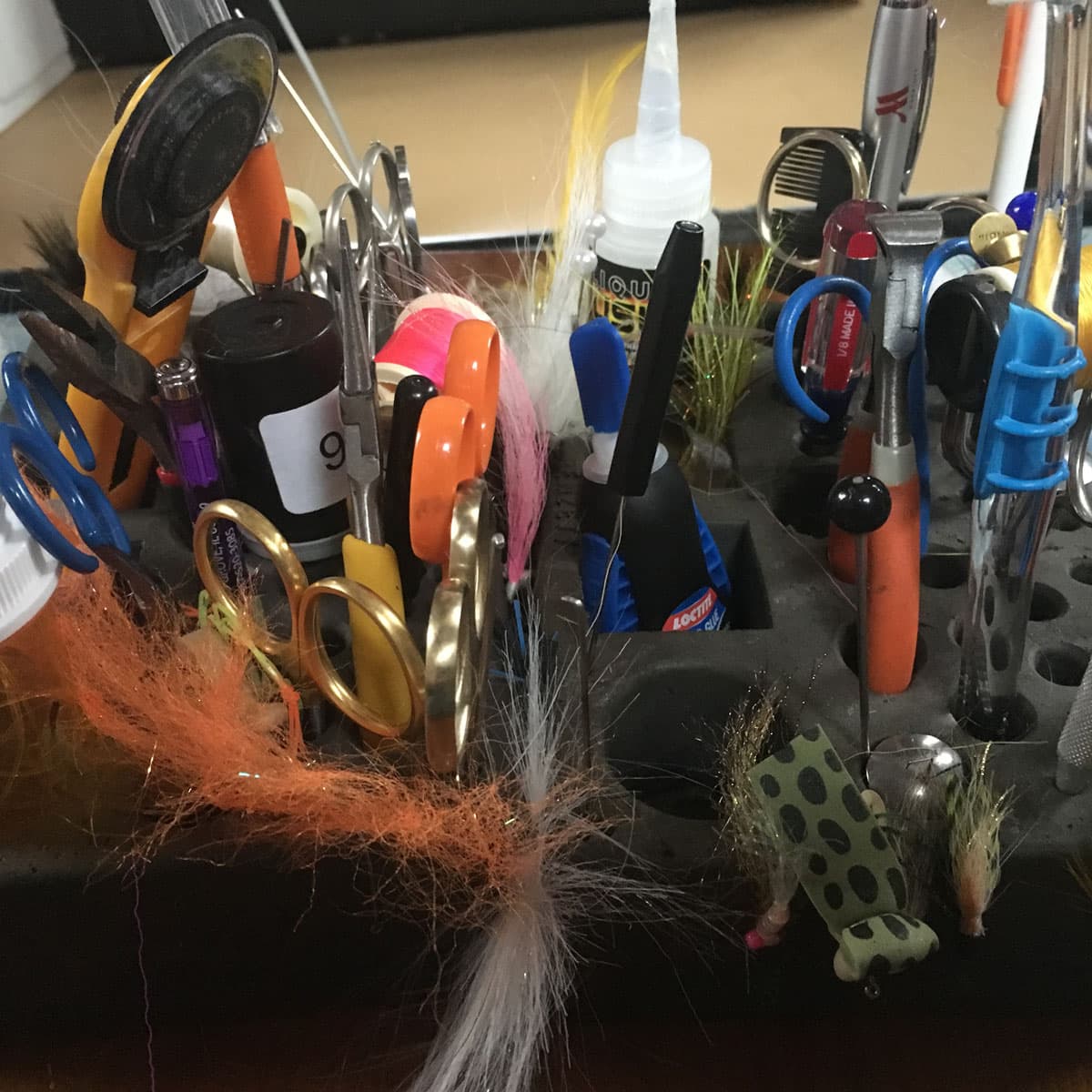
A cluttered vise tray full of scissors, bobbins and half-finished flies, and the one small tool that ties them all off clean.
Fly Line Tapers
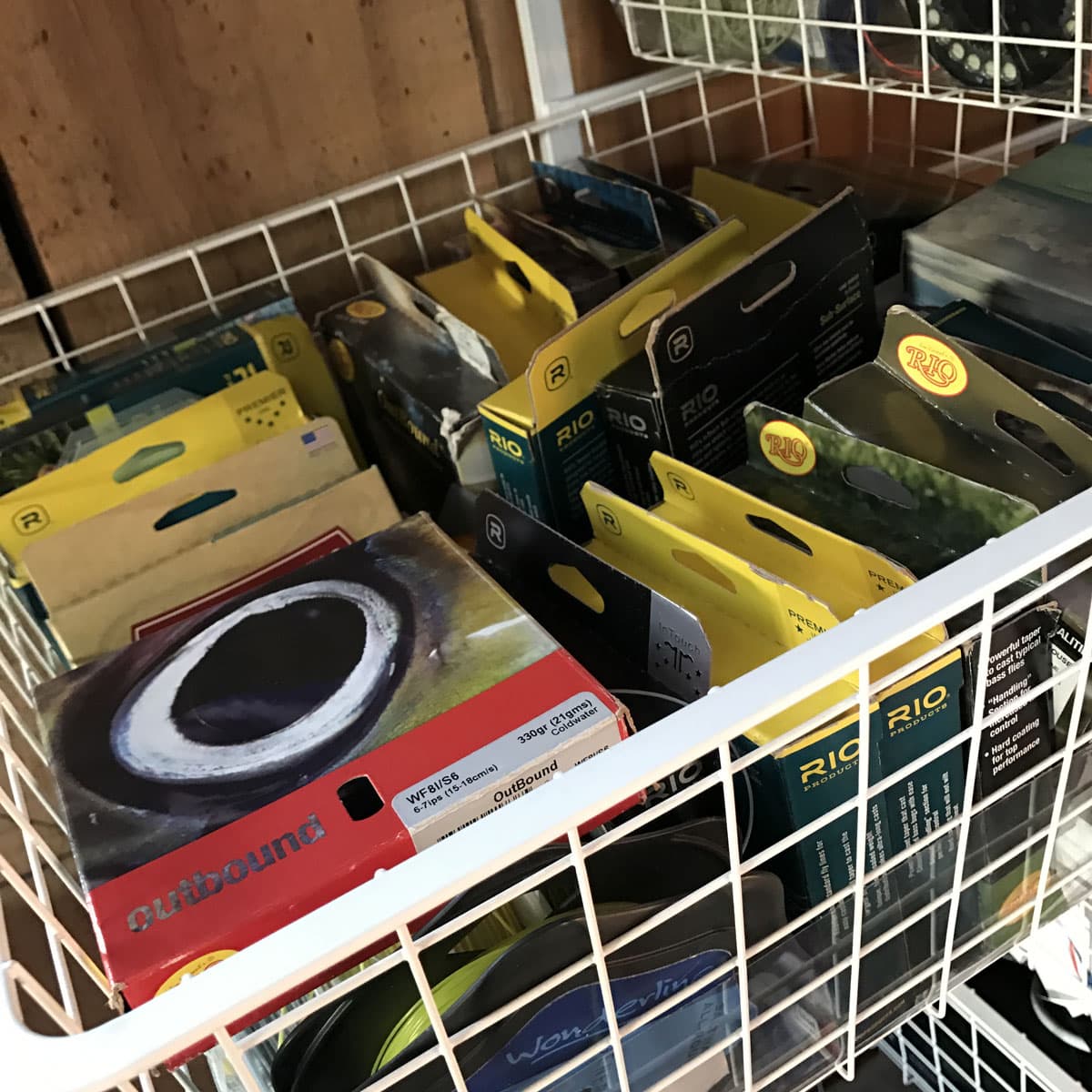
Weight forward, double taper, shooting head, level—what those names on the box actually mean for your cast.
American Brown Trout
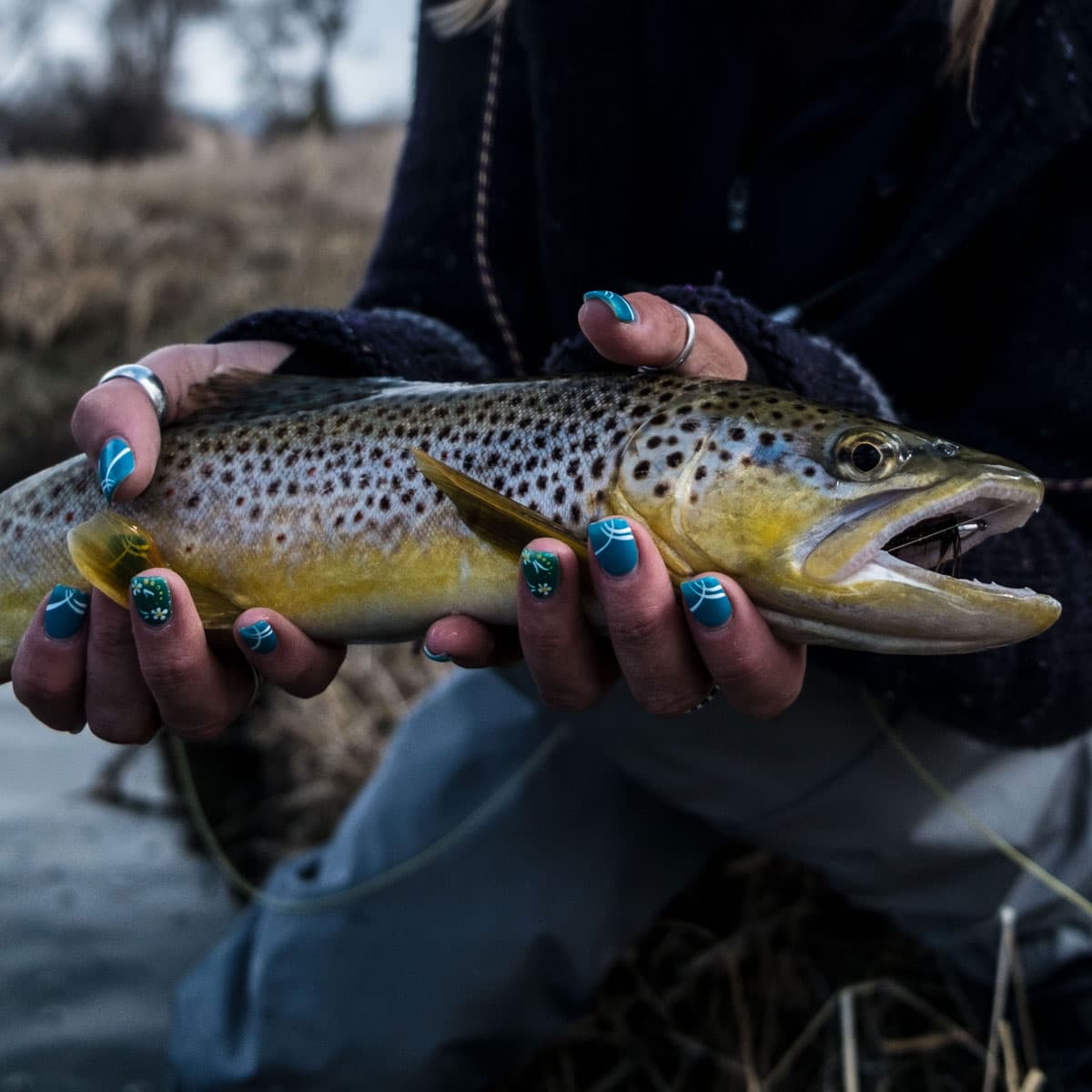
A spotted brown trout, teal nail art, and the tangled, mixed-up genetic history of a fish that's more American mutt than purebred.
Cul De Canard (CDC)
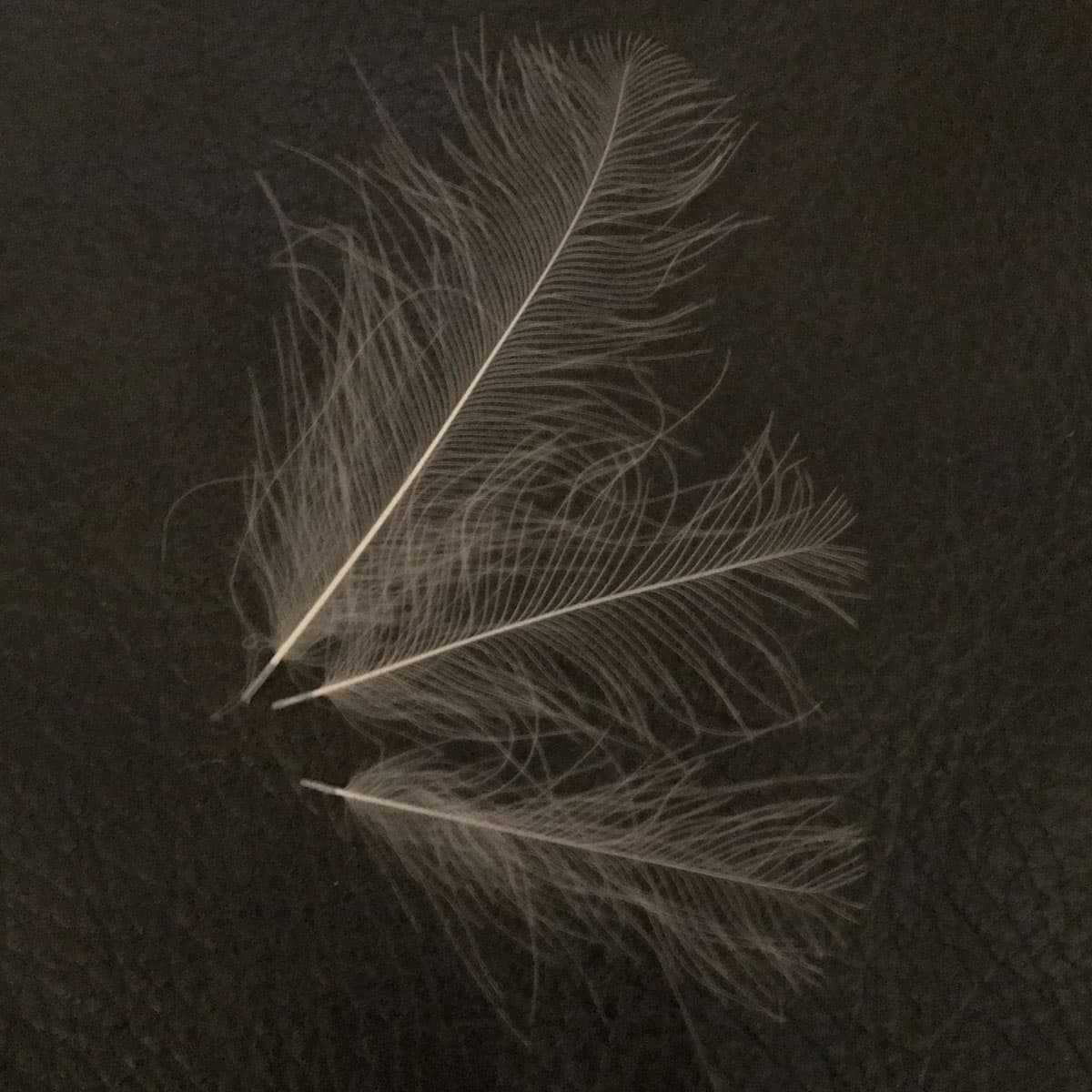
Three downy feathers from a duck's preen gland, the secret behind dry flies that float themselves, if you treat them right.
Want more LEARN stories?
Join thousands of readers getting our best outdoor content. Free, no spam.
Join thousands of outdoor enthusiasts