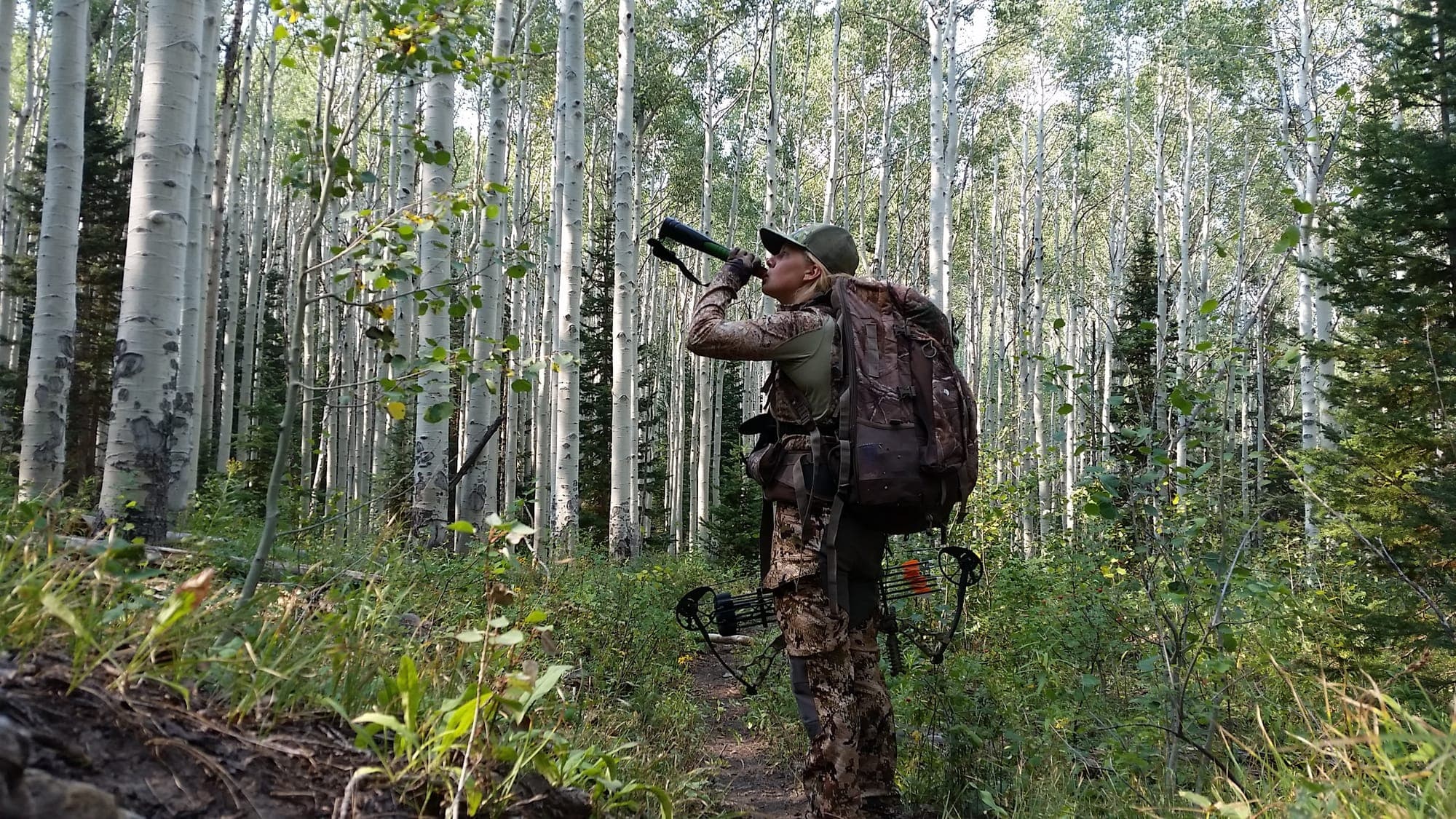
Snowshoeing: Proof You Can Love Winter
A funny, honest take on snowshoeing for the “real you” not the expedition you. Learn what you actually need, how to pick the right size and bindings, and why walking-speed winter can be the season you start to love.

Living in the Midwest, winter settles in as a dark, grueling stretch of gray slush, salt-stained roads, and a low-grade despair about how many more weeks this can possibly last. It’s easy to decide to lock yourself away for five months and only emerge when the crocuses and tulips start poking through the soil, planted in the fall by some hopeful gardener or an overachieving squirrel.
But the past several years, I’ve slowly rejected the idea of hibernation. I’ve started romanticizing the snow, especially freshly fallen snow. I’ve begun reinventing Winter Me as someone who, dare I say, enjoys snow.
This new snowflake enthusiast waits for the snow to get deep enough for snowshoeing. This version of me owns gear and has a plan. She watches out the window to see the snow layer flake after flake until it’s time. We do not see her much after February, but while she’s here, she views winter through a soft-focus lens and her seasonal romance is intense.
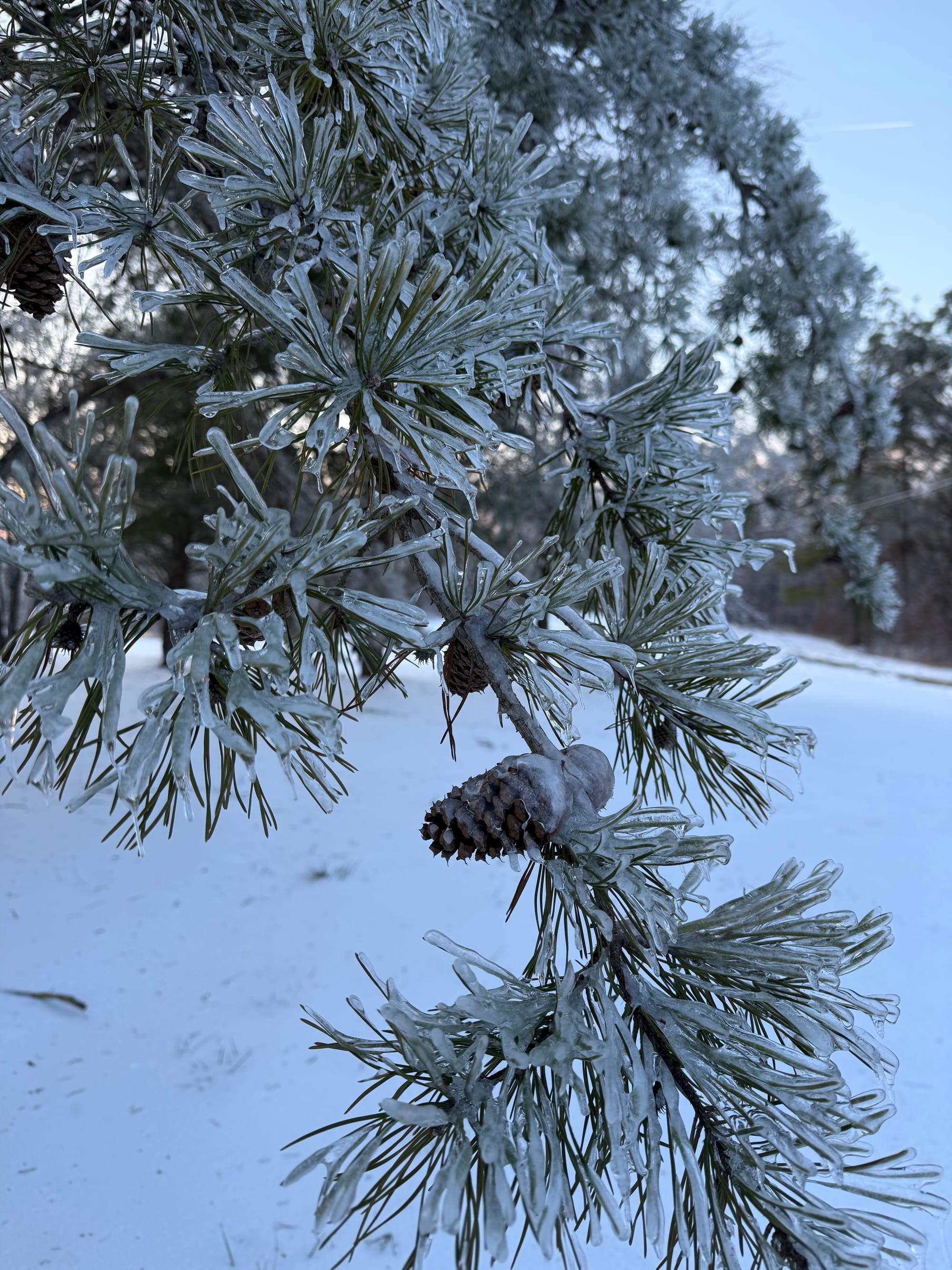
I see one photo of snowy trees and announce that I am now someone who “gets outside in winter.” I do not ski. I do not snowboard. I do not taunt inertia. Snowshoeing feels like the activity for people who enjoy nature but prefer their hobbies at walking speed and mostly upright.
When I first decided I was going to be a snowshoer, I did what any reasonable adult does when flirting with a new hobby. I over-researched and over-purchased.
The internet would like you to think snowshoeing requires the decision-making skills of a bomb technician. There are charts. There are terrain categories. There are snow conditions with names that sound like regional cheeses. Meanwhile, you are just trying not to post hole your way through an entire afternoon.
Here is the first thing I learned. Most of us are not training for an arctic expedition. We are going to a park. There will be a trail map. Someone brought a thermos. The trailhead is 10 steps from the parking lot. You do not need equipment designed for climbing a frozen waterfall at dawn.
I almost bought snowshoes built for steep alpine ascents. The description used the word “aggressive” three times. I am not aggressive. Aggressively clumsy, maybe. These snowshoes looked like they wanted to fight a mountain. I wanted to stroll near some trees for 40 minutes and get back to my car.
The big mistake beginners make is buying for fantasy you. Fantasy you treks through deep wilderness with a snowridge carved by wind. Real you walks a loop trail, stops for snacks, and wonders what in the woods just made that noise. Buy gear for real you. Fantasy you does not wake up on time.
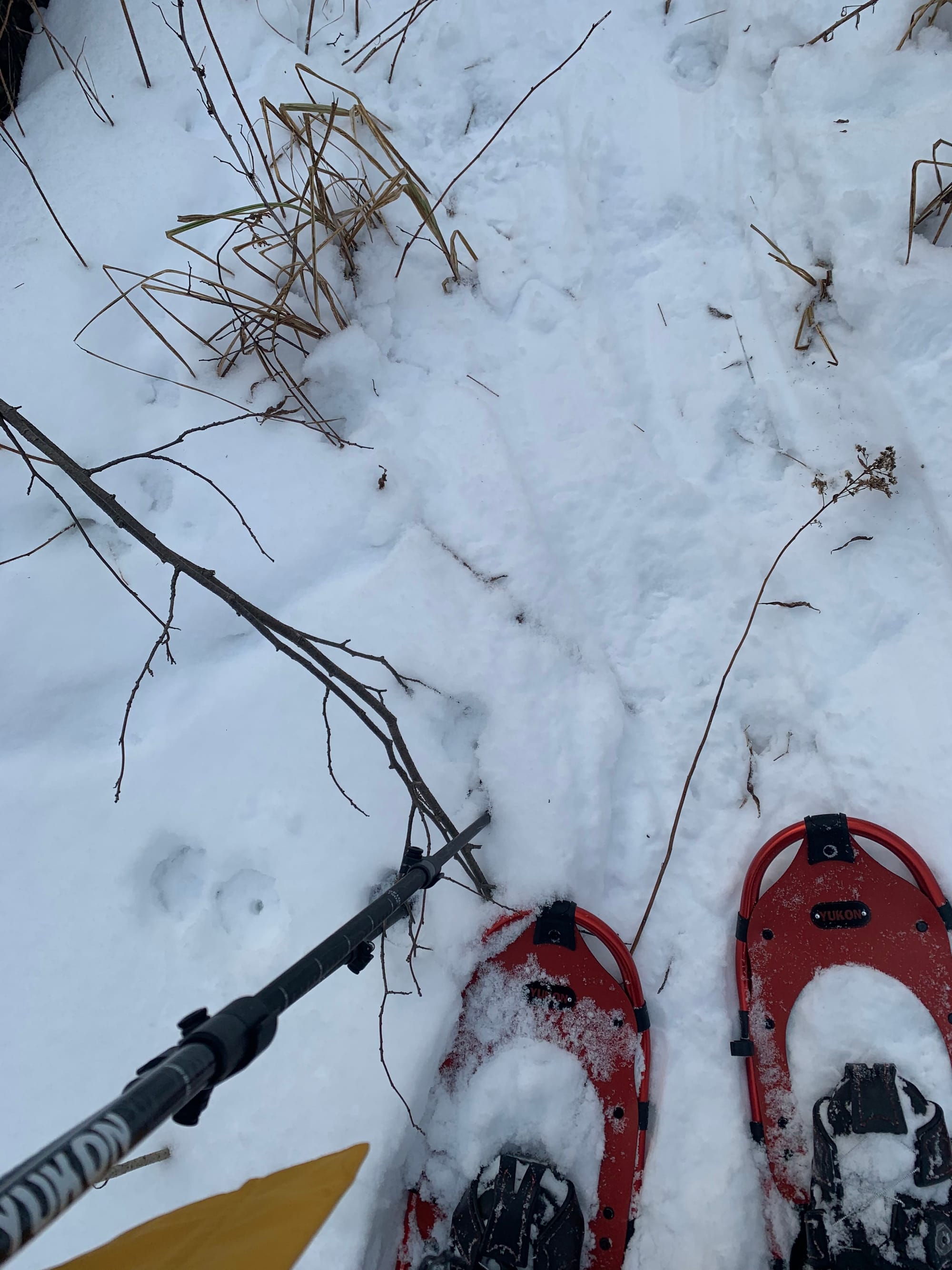
Size is the next trap. Snowshoes come in lengths, and it feels like choosing skis or a canoe. It is not. Length is about how much you weigh with winter layers and whatever snacks you refuse to leave behind or discover in your coat pocket. This is called flotation. Flotation determines whether you walk on top of the snow or punch through it and feel the snow swallow your legs one exhausting step at a time.
Do not choose a size based on vibes or your driver’s license weight. The vibe is wrong. You will spend the first half mile sinking deep enough to consider abandoning the snowshoes and crawling back. Do not overcorrect and try to compensate for the tins of grandma’s cookies you inhaled over the holidays. Each step will feel like climbing stairs with a mattress strapped to your feet.
Check the weight chart. Add your coat, your pack, and your emergency beef jerky and fruit snacks. Stay in the middle of the range, not the heroic end. You want to walk, not excavate.
Bindings deserve their own warning label. Bindings attach your boots to the snowshoes. That is the technical explanation. The emotional explanation is that bindings determine whether you feel like a capable winter explorer or a squirrel tangled in a tomato cage.
Try them on inside your house, preferably on carpet or with a towel down unless you hate your floors. Wear gloves. Tighten and loosen them a few times. If the process makes you sigh loudly in a warm room, it will make you invent new winter grudges in a windy parking lot. Simple straps win. Complicated systems belong to people with more patience than you and me.
Poles look optional. They are not optional for people who enjoy remaining upright. I tried one outing without poles. I spent most of the day lying in the snow waiting to be rescued. A gentle downhill slope turned into a slow-motion trust fall with nature. Poles add balance and dignity. Mostly balance. I retired my dignity years ago.
Boots are the rare good news. You do not need special snowshoe boots. Waterproof hiking boots work. Insulated winter boots work. Your feet need to stay warm and dry. That is the entire job. If your boots already handle long winter walks, they can handle snowshoes. Do not let anyone convince you that you need footwear with the personality of a moon landing.
If you can, rent gear before buying. It might save you from owning very serious snowshoes forever. Renting lets you feel the difference between gear meant for casual trails and gear meant for summiting something with a memorial plaque. After a rental or two, you will know whether you want the simple pair or the pair that makes you feel like you are preparing for arctic battle.
Snowshoeing itself is deeply humbling. You will not glide. You will clomp. Your stance will widen until you stop tangling your feet and find a rhythm. You will sweat in winter, steam rising off your hat. It is still great.
The quiet is real. Snow muffles sound in a way that makes the world feel politely muted. Your breath hangs in the air. Trees look like they put on formalwear. You feel like you are inside a snow globe, right before someone shakes it.
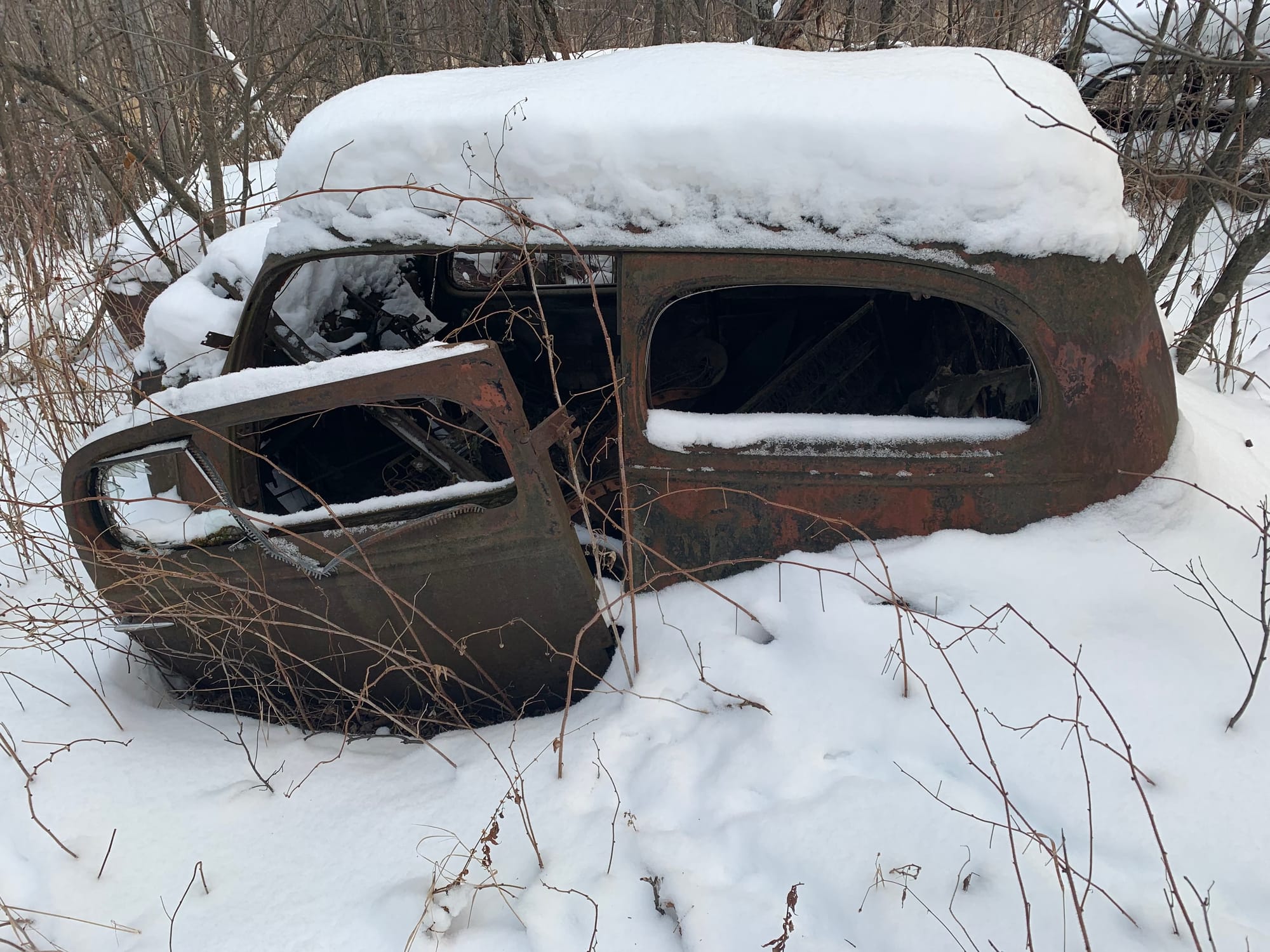
It is also the only time of year we can reach the back 40 acres of the farm. In summer it is brush, mud, and absolutely no way of reaching it. In winter, with snowshoes, it opens like a secret. Out there, tucked into the woods, sit old trucks and cars that farmers parked fifty or seventy years ago and never dragged out. They are rusted into the landscape now, half swallowed by trees, snow drifting through broken windows. One of them is home to a fox den with it’s musky scent wafting. You walk past this quiet museum of forgotten machinery, breath fogging, and realize snowshoeing is less about exercise and more about access. It lets you see places that do not exist the rest of the year.
You do not need elite gear to have that moment. You need snowshoes that match your actual plans, bindings that do not require an engineering degree, boots you trust, and poles that keep you mostly upright.
I went into snowshoeing ready to buy equipment for the heroic version of my life. I left with gear for the version where I walk, snack, fall once, laugh, and go home tired in a satisfying way. That version turns out to be more than enough.
Want more DO stories?
Join thousands of readers getting our best outdoor content. Free, no spam.
Join thousands of outdoor enthusiasts