How Do I Get Into the Outdoors If I Didn't Grow Up Doing It?
If you didn’t grow up outdoors, you can still become an outdoor person starting right where you are. This guide breaks it into a simple plan: choose one easy activity, start close to home, borrow gear before you buy, and build confidence through small, repeatable wins.

If you didn’t grow up outdoors, it’s not too late. You can still learn to love the outdoors, it just takes knowing where to start. The key is to start small, stay close to home, and learn one basic skill at a time. Pick one activity that fits your life right now, borrow gear before you buy, and build a simple safety routine. You do not need a new identity first. You build the identity by showing up.
Why this feels hard for so many adults
A lot of outdoor culture assumes you learned everything as a kid. That can make simple questions feel loaded. It can also make you think you missed your chance. You didn’t. Most outdoor skills are learnable in a few weekends. Confidence comes from repetition, not from a backstory.
But some barriers are real. Time is tight. Money matters. Safety can feel unclear. Don’t give up. You can still start, and you can start in a way that feels like you.
The 4-step entry path that works for real life
Step 1: Pick one “door” into the outdoors
Choose one activity that matches your current energy and access. Don't pick the one you think you “should” do because it's the cool thing at the moment.
Here are four easy doors, with examples:
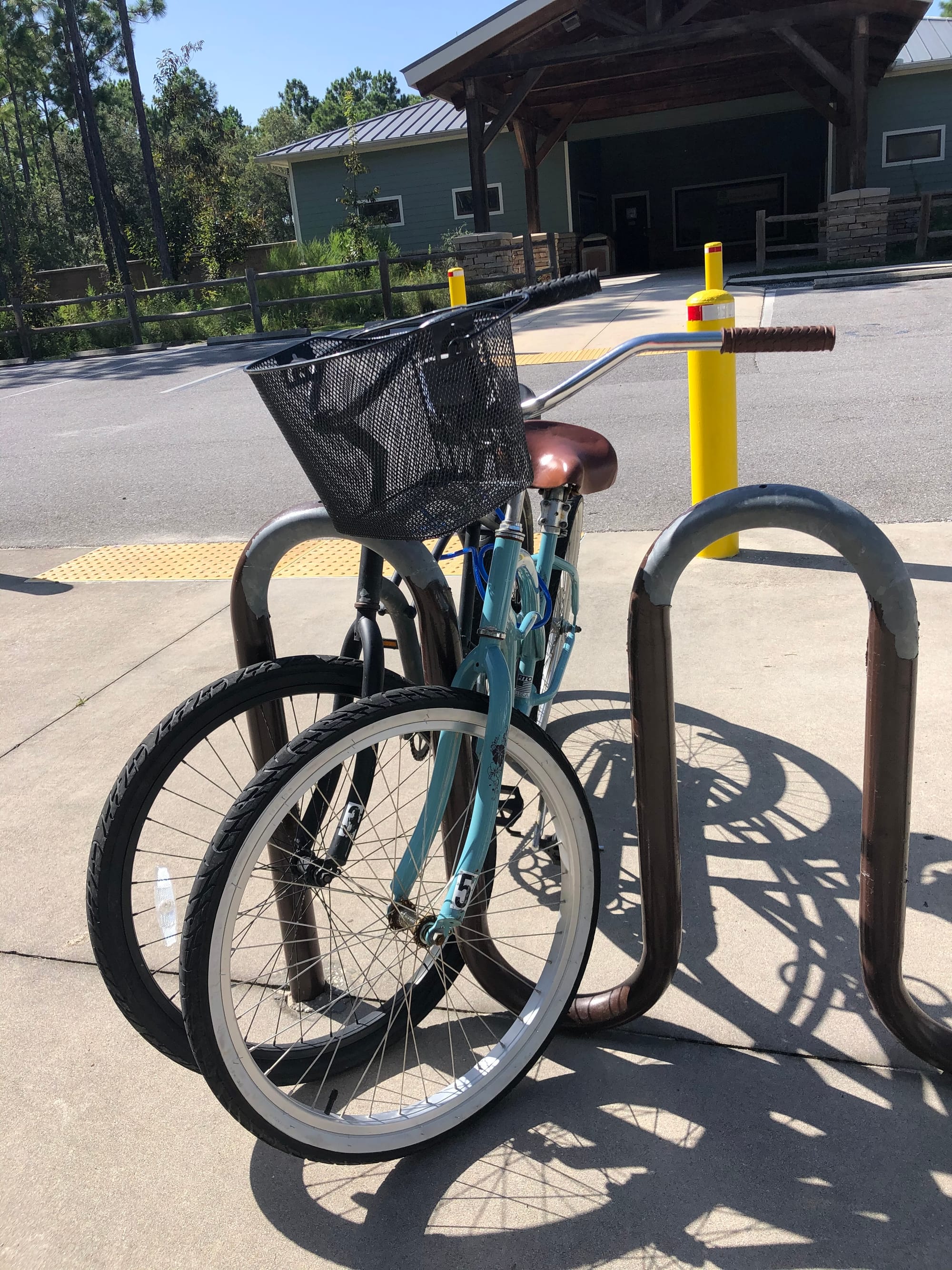
- Movement door: walking trails, short hikes, snowshoeing, casual bike rides
- Water door: bank fishing, paddling on calm water, beach walks, float trips with a guide
- Nature door: birding, foraging classes, wildflower walks, photography walks
- Social door: women’s outdoor groups, beginner clinics, guided half-day trips, local conservation events
If you feel pulled toward more than one, choose the easiest one to repeat weekly. When starting out, repetition beats intensity.
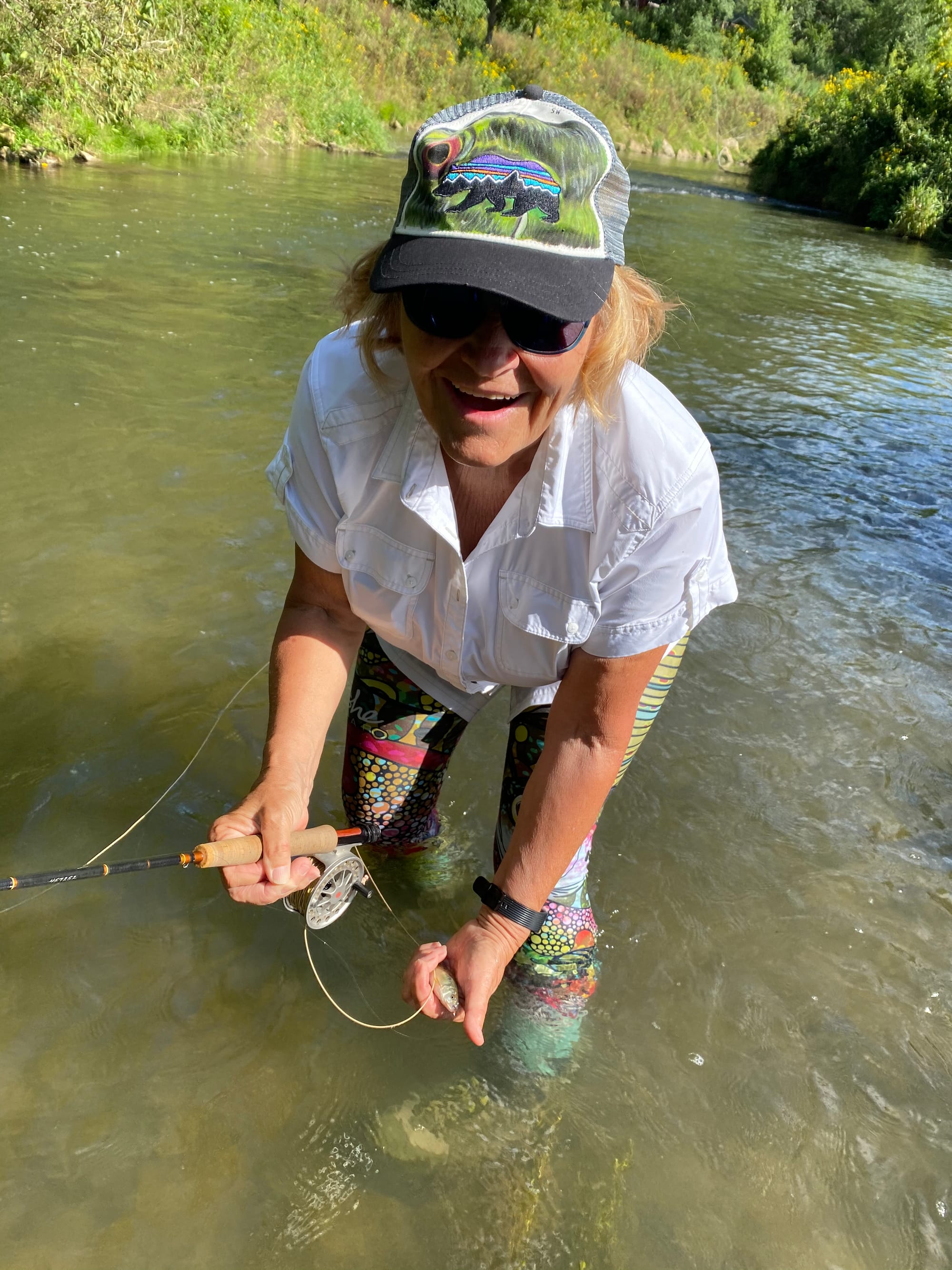
Step 2: Start close to home and keep the first goal small
Your first goal is not distance, difficulty, or a big trip. Your first goal is a repeatable routine.
A strong first goal looks like this:
- One local place you can reach in under 30 minutes
- One time slot you can protect once a week
- One simple outcome you can measure
Examples:
- Walk the same 1.5-mile trail every Saturday morning.
- Fish a local pond for 45 minutes after work on Tuesdays.
- Practice tying two knots at the kitchen table, then try them outside.
When you repeat an action, you learn it. When you learn it, you relax. When you relax, you stay longer. Now that is the real progression.
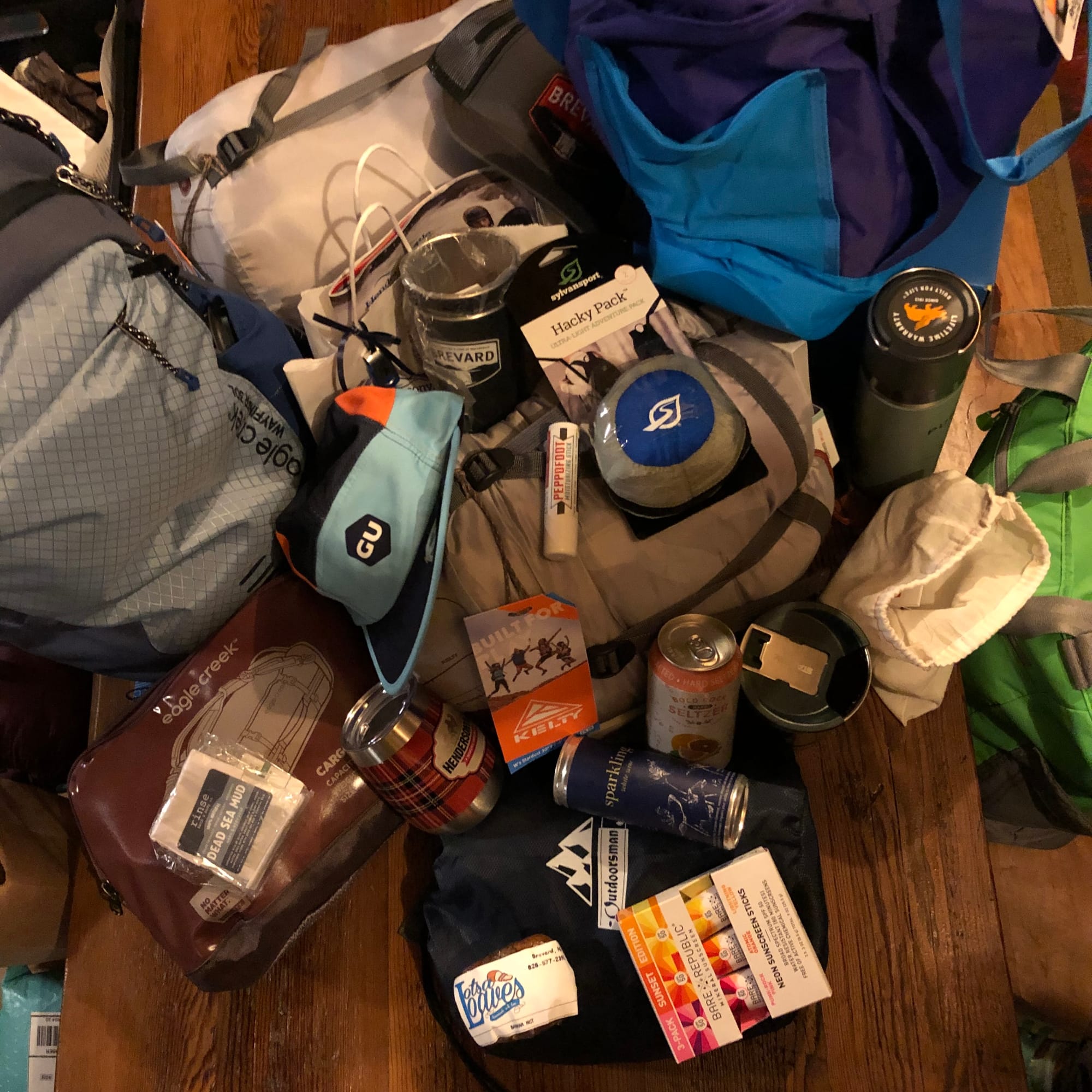
Step 3: Borrow before you buy
Gear can help. Gear can also trap you in research mode.
Use one of these paths first:
- Borrow from a friend who loves teaching
- Rent from a shop, outfitter, or park program
- Buy used from a local shop, gear swap, or reputable resale site
- Start with what you already own, then upgrade one item at a time
Your first purchases should solve comfort problems you can name. For example:
- My feet hurt after 30 minutes.
- I get cold once I stop moving.
- My pack bounces and annoys me.
- I never bring enough water.
That's how you avoid wasting money. And who wants to spend money on something that will sit in the garage and eventually collect dust?
Step 4: Learn one skill at a time
Outdoor confidence comes from small skills that stack up.
Start with these “transfer skills” that help across almost everything:
- How to dress for weather changes (layering basics)
- How to pack water and a snack the right way
- How to read a basic forecast
- How to tell someone your plan
- How to turn around before you feel desperate
Pick one skill for two weeks. Practice it. Then add another.
A simple first-month plan
We all have lives outside our outdoor activities. This is a realistic starter plan that fits busy lives.
Week 1: Choose your place and your time
- Pick one local spot.
- Put a repeating block on your calendar.
- Tell one person you’re doing it.
Week 2: Build a tiny “go bag”
- Water
- Snacks
- Phone charger
- Light layer
- Small headlamp or small flashlight
Keep it by the door so you stop negotiating with yourself. Getting out the door is the biggest step (it's akin to getting to the gym being the hardest part of exercising).
Week 3: Add one skill
Choose one:
- Learn the 3-layer clothing method
- Learn two knots (for fishing, camping, and general use)
- Learn how to read a radar map and wind direction
Week 4: Try one small stretch
Remember, a stretch is not a leap.
- Go 15 minutes longer.
- Try a new trail in the same park.
- Fish a second spot in the same pond.
- Join a beginner clinic for one morning.
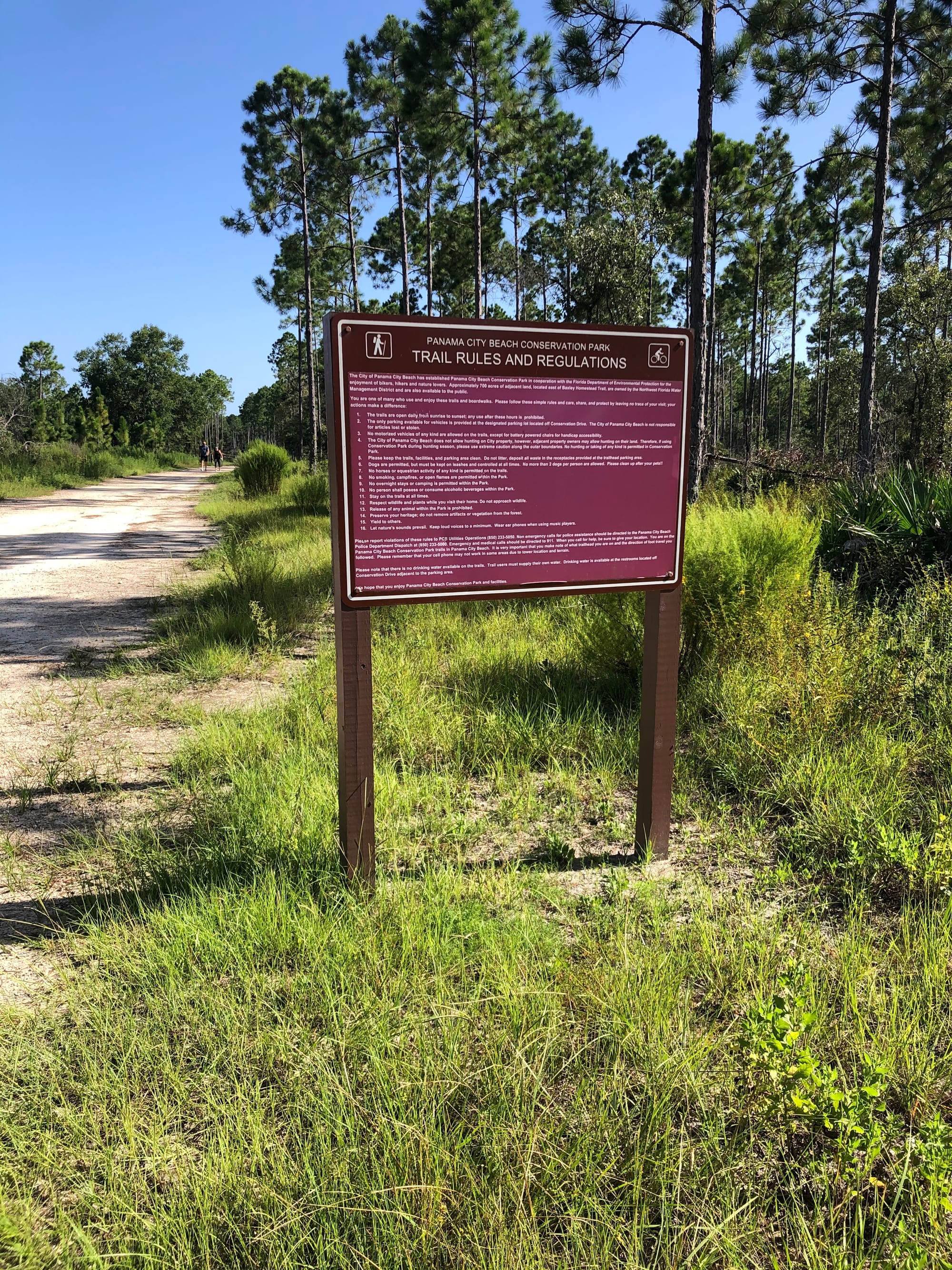
What this looks like in real life
Here is a common “adult beginner” pattern that works.
You start with a short walk and treat yourself to a coffee after. You begin to notice shoes, socks, and temperature swings. You fix one thing. You stay out longer.
Then you try a beginner class. You meet someone else who also started late. You trade trail suggestions. You stop feeling like you are sneaking into a club and feel more like you found a community.
A few months later, you own a small set of gear that makes sense for you. You also know two places well enough that they feel like yours. That is the point where people start calling themselves outdoorsy, and it feels true.
Common mistakes that slow people down
- Starting with the hardest version of the activity. First hikes do not need big climbs. First fishing days do not need fast rivers.
- Buying a full kit before you know your habits. You learn habits by going outside, not by shopping. You don't want to look the part, you want to be part of the outdoors.
- Going alone with no plan on day one. Start with a buddy, a group, or a well-traveled trail. The goal is to go again, not get lost or discouraged.
- Chasing perfect weather. Aim for safe weather, not perfect weather. Waiting until the perfect day will mean putting off starting in the first place.
- Waiting to feel confident. The confidence shows up after you repeat the thing. Remember, everyone starts somewhere and it's OK to not know everything!
A beginner-safe “go outside alone” rule
If you really want to go solo early on, use this rule:
- Pick a place with other people around.
- Stay on marked trails or known access points.
- Set a time you will turn around.
- Text one person your plan and your return time.
Solo time outside can feel powerful. It also needs a small system.
A short starter gear list that fits almost any activity
This is not a shopping list. It's a comfort-and-safety list.
- Comfortable shoes you can walk in for an hour
- Socks that do not slide and bunch
- Water bottle you will actually carry
- A light layer you can add or remove
- A small headlamp or small flashlight
- A simple snack with calories, like nuts or a bar
Once you do five outings, you will know what to upgrade first.
FAQs
Do I need to be in shape before I start? No. Start with time, not distance. Ten minutes outside counts. Build from there.
Do I need expensive gear? Absolutely not. Spend money only after you can name a problem that new gear will solve.
Is it weird to start later in life? No. There is no better time than the present. Adults start outdoor sports every day. Many never had access as kids.
What is the safest outdoor activity to start with? A busy local trail, a park walk, or a guided half-day clinic are strong starts.
How do I avoid feeling intimidated? Go to beginner-specific spaces. Repeat the same place. Ask one question at a time. Don't feel embarrassed to ask beginner questions.
My editor recommendation
Start with one place you can repeat. Keep your first goal small. Build a simple routine that removes friction, like a go bag by the door and one protected time slot each week. The more you "go" the more empowered you'll be. Before you know it, you'll consider yourself an outdoorsy person, your friends will want to come along, and you'll find your community. And it's all going to come from proof, not pep talks. Just get outside. Your future self will thank you.
Want more LEARN stories?
Join thousands of readers getting our best outdoor content. Free, no spam.
Join thousands of outdoor enthusiasts