Winter Hiking Safety for Normal People (Not Expedition Athletes)
Winter hiking doesn’t have to be extreme to be safe and fun. This guide gives you a simple system—how to pick the right trail, dress in layers, pack a small safety kit, and know when to turn around—so you can enjoy cold-weather miles with confidence, not stress.

Winter hiking can be safe, fun, and confidence-building. You just need a simple system. Pick an easy trail, dress in layers you can adjust, bring a small safety kit, and set a turn-around time. Most winter hiking problems start the same way: you get damp, you get cold, and you stay out too long. The goal is to stay dry enough, warm enough, and calm enough to make good choices.
Who this guide is for
This is for the woman who wants fresh air and quiet trails, but does not want to feel reckless. You are not training for a summit. You are building outdoor time that fits real life.
The winter safety rule that covers almost everything
Winter hiking safety is simple: Stay dry, block wind, and keep a buffer.
A buffer means extra time, extra warmth, and extra light. It keeps a normal day from turning into a stressful one.
Pick the right trail for winter
Winter is not the season to “see what happens” on a new, remote route.
Choose a trail with these traits:
- Short and familiar: 1 to 4 miles is a strong start.
- Low exposure: fewer cliff edges, narrow ridgelines, and steep drop-offs.
- Clear path: obvious trail, clear blazes, steady foot traffic.
- Easy exit: you can turn around at many points, not just one.
If you only remember one thing, remember this: the safest winter hike is the one you can repeat.
Dress like you plan to get a little warm
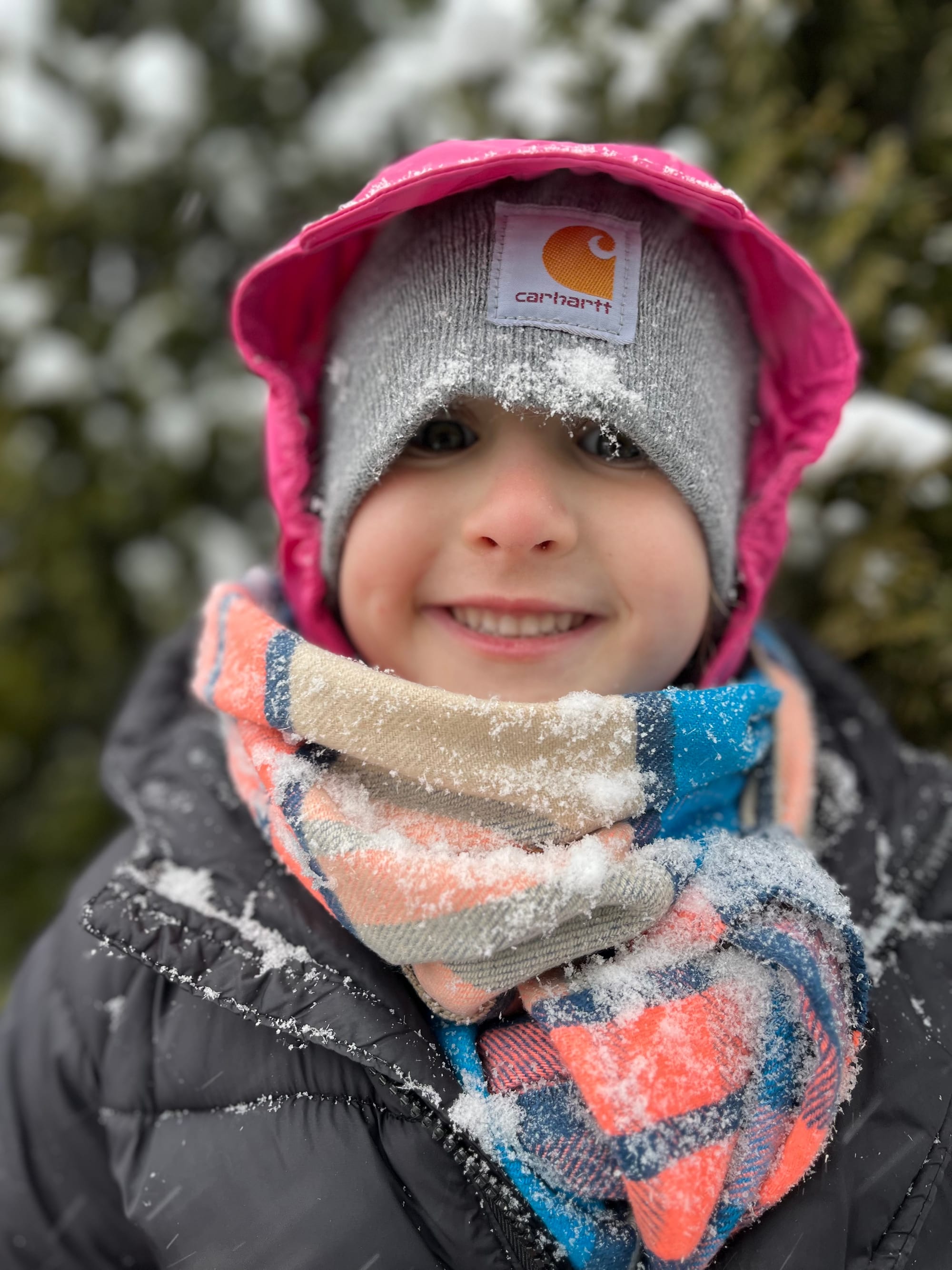
If you dress for the parking lot, you will sweat once you move. Sweat is the problem in winter. Sweat turns into chill as soon as you slow down.
Use this simple layer plan:
1) Base layer (next to skin): moves sweat away
- Choose synthetic or wool.
- Skip cotton. Cotton kills. Cotton holds water and stays cold.
2) Mid layer (warmth): traps heat
- Fleece, light puffy, or wool sweater.
3) Shell (wind and wet): blocks wind, sheds snow or light rain
- A simple rain jacket can work.
- A windbreaker can work on dry, cold days.
Pro tip that feels like magic: start your hike slightly cool. After 10 minutes of walking, your body warms up.
Your winter day-hike packing list
You do not need a huge pack. You need the right small items.
Bring these every time:
- Water (and a way to keep it from freezing, like an insulated bottle)
- Snack with calories (nuts, bar, sandwich, jerky, chocolate)
- Headlamp or small flashlight (even on short hikes)
- Warm backup layer (a puffy or heavier fleece than you plan to wear)
- Hat and gloves (plus a spare pair of gloves if you run cold)
- Fully charged phone (kept warm in an inside pocket)
Nice to have:
- Spikes or cleats if there is packed snow or ice
- Hand warmers for fingers that go numb fast
- Small sit pad so you can rest without losing heat
- Tiny first aid basics (bandages, blister care, pain meds)
Foot safety: traction is the winter game
Slipping is one of the most common winter issues, and it happens close to home.
Use this decision rule:
- Dry trail or light powder: normal hiking shoes or boots can work.
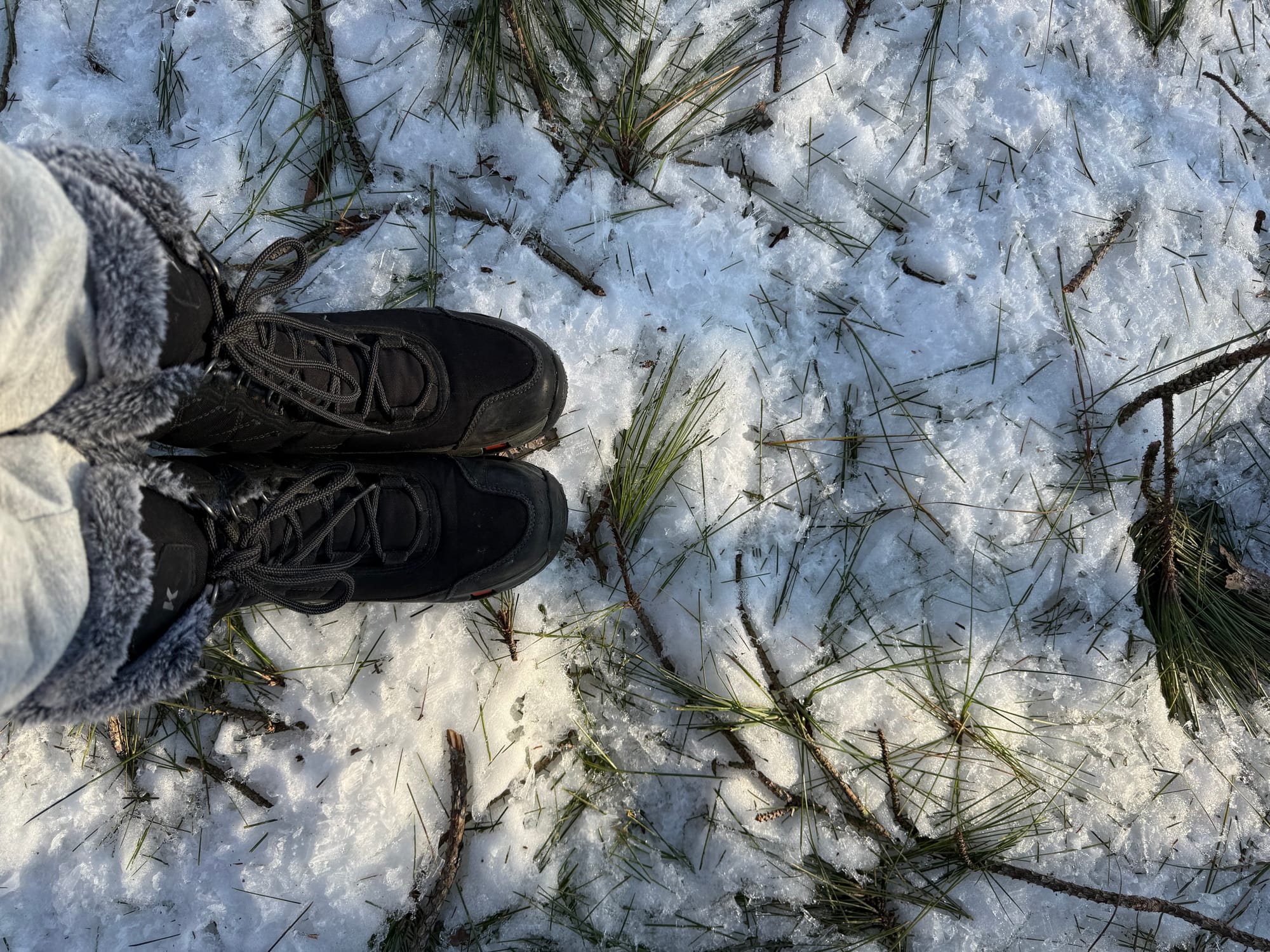
- Packed snow and slick spots: carry traction. Put it on early.
- Sheet ice or steep icy slopes: turn around or pick another trail.
You don't get extra points for “sending it” across ice in regular shoes (unless you feel like being insta-famous for the wrong reasons). Traction is not dramatic. It is responsible.
The weather check that matters most
Do not chase perfect weather. Check for conditions that raise risk.
Look at:
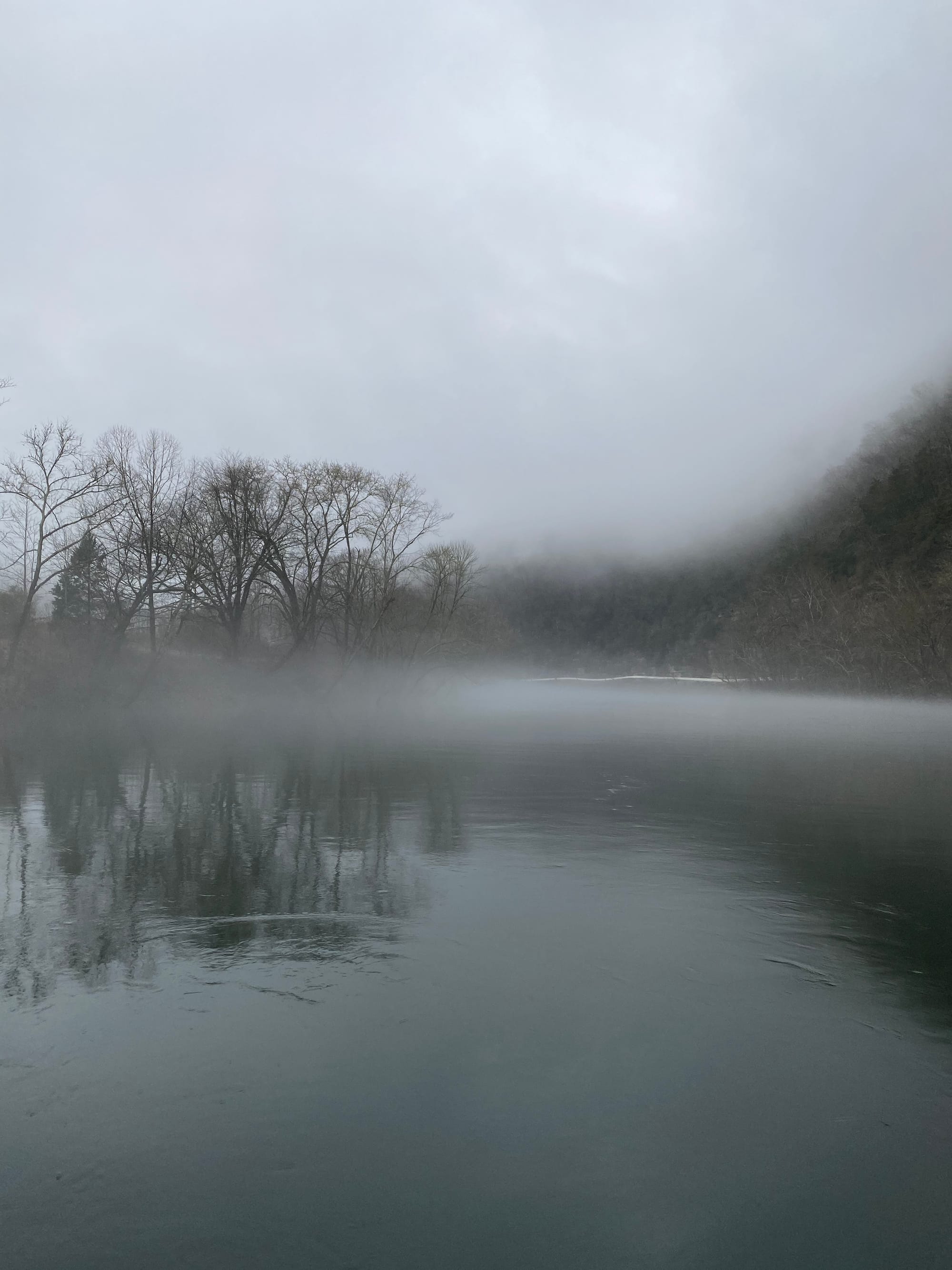
- Wind: wind steals heat fast, even on sunny days.
- Precipitation: wet snow and cold rain soak you and cut warmth.
- Temperature swing: late afternoon temps can drop quickly.
- Daylight: winter days are short. Darkness arrives sooner than your brain expects.
Set your hike time to match the daylight you have, not the daylight you wish you had.
Know what “too cold” feels like early
You do not need to memorize medical charts. You need early warning signs.
Early hypothermia can look like:
- Shivering that gets hard to control
- Clumsy hands, dropped items, fumbling zippers
- “I feel weird” mood shifts or irritability
- Slower thinking, sloppy choices
If you notice these, act right away:
- Add your warm layer
- Get out of wind
- Eat something
- Start moving back toward the car or shelter
Cold problems are easier to fix early. They get stubborn when you wait.
A simple solo safety routine
Solo winter hiking can feel powerful. It also needs a clean plan.
Use this routine:
- Text someone your trail name, start time, and return time.
- Share a screenshot of the route if you can.
- Set a firm turn-around time.
- Stay on well-traveled trails at first.
If your gut feels off, listen. Your body is often picking up risk before your brain names it.
The turn-around time rule
Pick a time you will turn around even if everything feels fine.
A good rule for winter:
- Turn around when you have used half of your daylight window
- Turn around earlier if wind rises or the trail turns slick
Turning around is not failure. It is good judgment.
What to do if you lose the trail
Getting a little off route can happen even on popular trails when snow covers tread.
If you lose the trail:
- Stop and breathe. Panic makes you move fast and wrong.
- Look for the last spot you know you were on trail.
- Backtrack slowly to that spot.
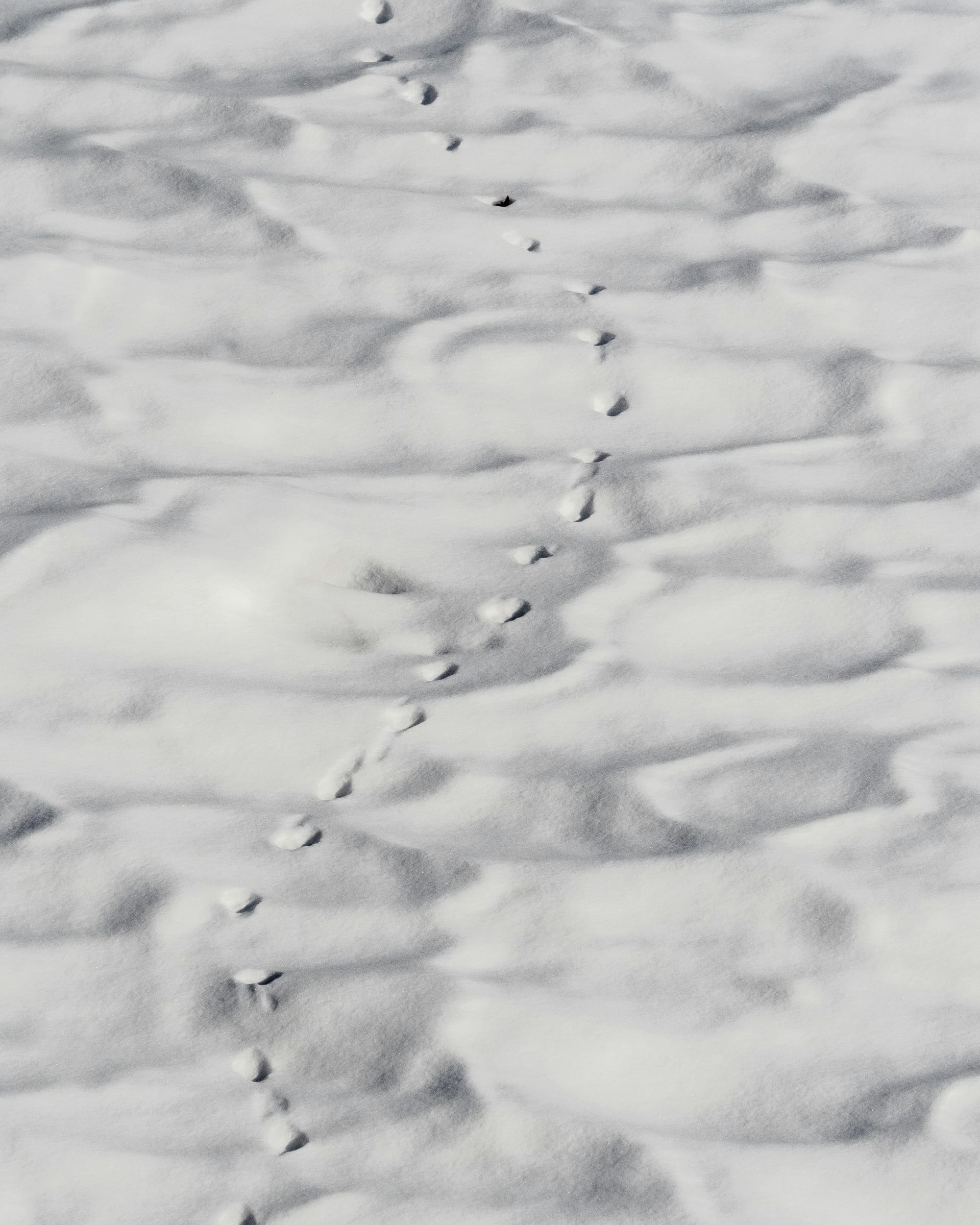
- If you cannot find it quickly, head back the way you came on your own footprints.
- If conditions are worsening, stop and make warmth, then call for help.
Your job is not to solve the wilderness. Your job is to stay safe and get found.
Common mistakes that make winter hiking feel scary
- Wearing cotton. It holds moisture and chills you.
- Starting too warm. You sweat early, then get cold later.
- Skipping traction “just this once.” That's when you fall.
- Forgetting a headlamp. Darkness feels sudden in winter.
- Pushing past the point of comfort. Winter is not the season for stubborn pride.
The confidence part, which matters
Winter hiking teaches you trust in yourself. You learn how your body warms up, how your hands handle cold, and how your brain responds when conditions change. That knowledge stays with you in every other outdoor season.
Small winter hikes build a quiet kind of confidence. It is not loud. It is steady.
FAQs
Do I need waterproof boots? Not always. For short hikes on dry trails, sturdy shoes can work. If snow is wet or deep, waterproof helps. Warm socks matter either way. Make sure they're wool and not cotton.
How do I keep water from freezing? Use an insulated bottle, keep it inside your pack, and sip often. Remember, a hydration bladder hose freezes easily in cold air.
What temperature is too cold to hike? It depends on wind, wet conditions, and your comfort. If you struggle to keep hands warm even while moving, choose a shorter hike or a sheltered trail.
What is the safest first winter hike? A short, busy trail you can finish in under two hours, with a clear path and easy turn-around points.
What should I do if I start shivering hard? Add a warm layer, get out of wind, eat, and head back. Strong shivering is your early warning sign that something is wrong. Listen.
Want more DO stories?
Join thousands of readers getting our best outdoor content. Free, no spam.
Join thousands of outdoor enthusiasts