An Oregon Coast Family Adventure: Learning to Clam
A family move from San Diego to Central Oregon leads to a new coastal tradition: clamming. With clam guns, tide charts, sandy boots and curious kids, one family discovers how the Oregon Coast can turn dinner into an outdoor adventure.
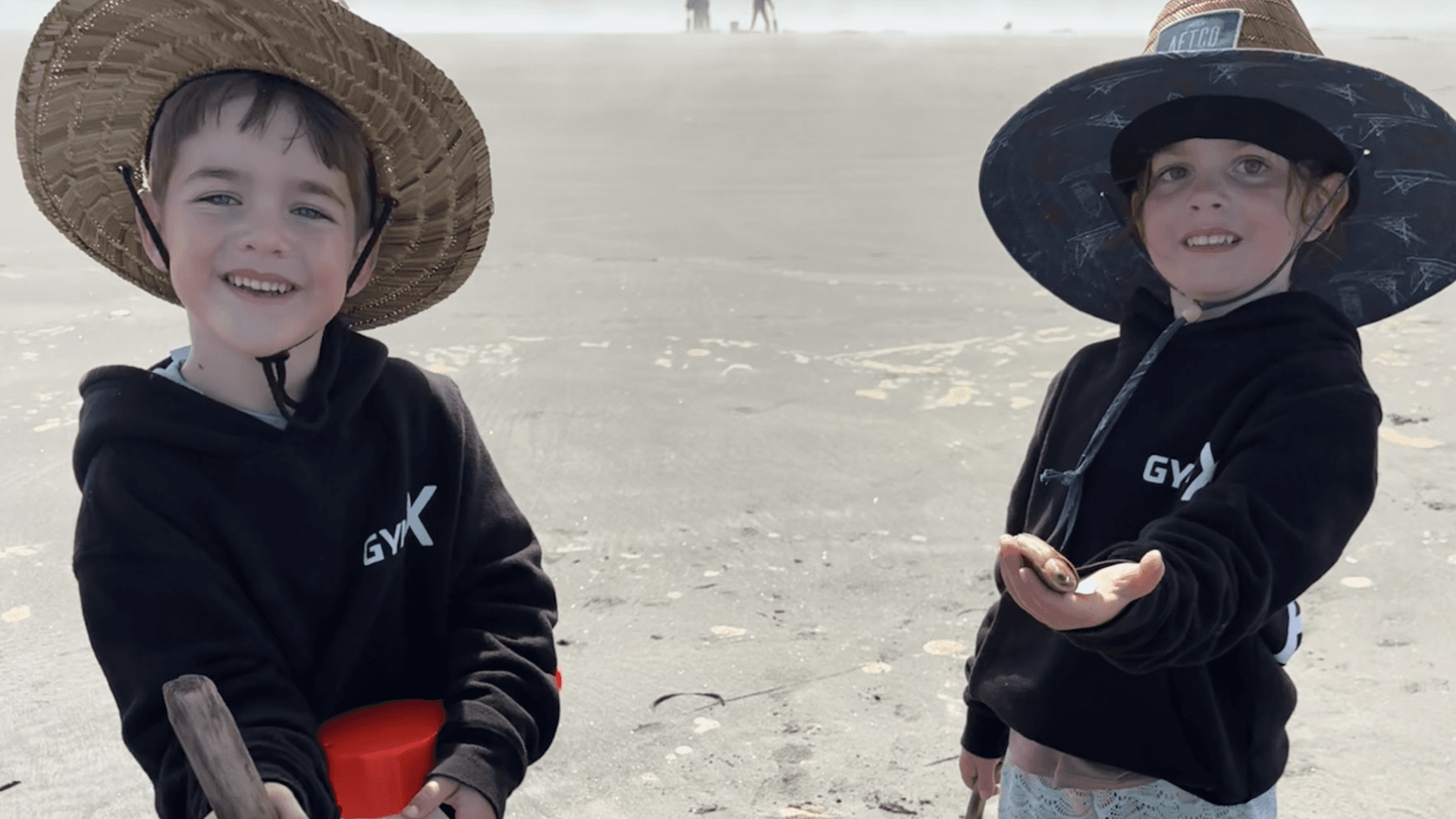
A little over a year ago, I moved from San Diego to Central Oregon. One of the reasons we left our familiar home and family was to give our kids easier access to the outdoors. Oregon offers an incredible variety of outdoor activities, less population pressure, and a much more affordable lifestyle than what we were used to in Southern California.
It's been fun exploring our new home and learning new ways to enjoy the outdoors as a family. While the transition to our landlocked life in Central Oregon has been relatively easy, we recently found ourselves craving the ocean.
One of the most unique parts of Oregon culture is its rich fishing and foraging heritage. During our first family trip to the coast, I was determined to find activities that would not only be fun but would also teach our kids where food comes from and help them connect with the ocean.
When I asked friends and neighbors for recommendations, the same suggestion came up over and over again: buy a clam gun and go clamming!
The Secret to a Successful Oregon Coast Adventure
Before we get into clamming, there is one thing every family should know about visiting the Oregon Coast: prepare for all four seasons, sometimes within the same hour.
Coming from San Diego, I was used to checking the forecast and dressing accordingly. Oregon's coast plays by different rules. A sunny morning can quickly turn into wind, fog, drizzle, and chilly temperatures before the afternoon sun returns. The weather is part of the charm, but it can also make or break a family outing.
We quickly learned that the secret to a successful day is keeping kids warm, dry, and fed. If the kids are cold, wet, hungry, or all three, even the best adventure can unravel in a hurry.
For any coastal outing, we pack multiple layers, waterproof jackets, hoodies, fleece pants, extra socks, beanies, and gloves. Even on warmer days, the wind coming off the Pacific can be surprisingly cold. We also bring plenty of snacks, water, and a thermos of hot chocolate. Having warm drinks and snacks available after standing in the surf digging for clams or spending hours on the bay crabbing can completely change everyone's mood.
The good news is that once you're dressed appropriately, the Oregon Coast becomes one giant outdoor playground. Our kids didn't seem to notice the cold while they were searching for clam in the sand. They were simply too busy having fun. As with most outdoor adventures, success wasn't about perfect weather, but it was about being prepared for whatever the coast decided to give us that day.
Gear we love:
Free Fly Youth Bamboo Shade Hoodie: Soft and comfy. A great layering piece.
Columbia Rainy Trails III Fleece Lined Jacket: Light yet warm.
Bogs Classic Seamless Boot: Waterproof and easy to slip on and off.
Nomadix Kids Changing Poncho: One of the best inventions for the beach.
Clamming: Oregon's Coastal Treasure Hunt
If you've never gone clamming before, imagine a beach treasure hunt where the prize is dinner.
The first thing you'll need is a clam gun. These simple aluminum tubes create suction, allowing you to quickly remove a column of sand and expose buried razor clams. Most coastal sporting goods stores carry them, and they typically cost between $30 and $100.
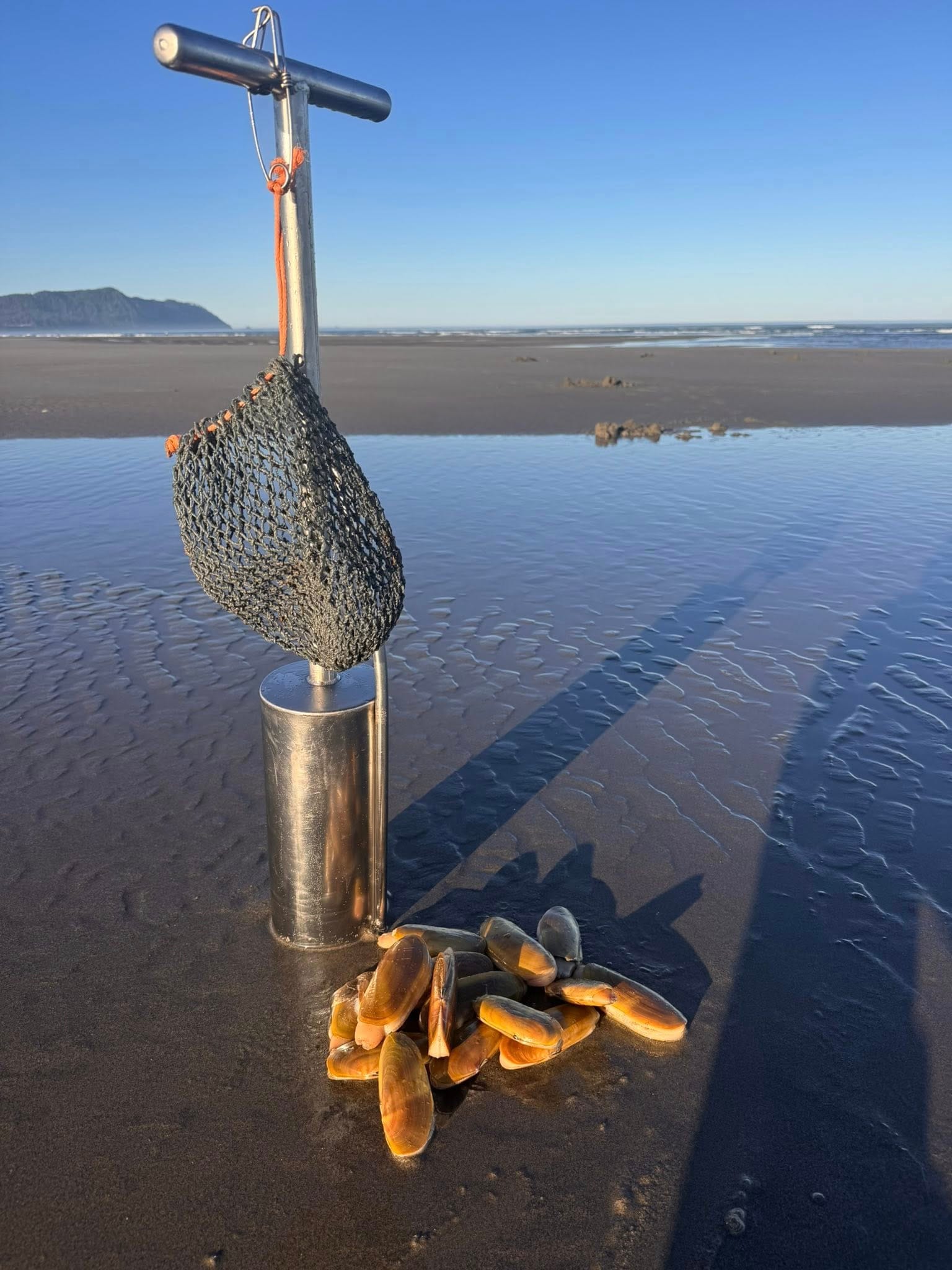
Good, Better, Best:
Clam Shovel: Not very kid-friendly and a bit more of an expert option.
Plastic Clam Gun: Harder to push into the ground and not ideal for smaller children.
Aluminum Clam Gun: The easiest to use but a bit more expensive.
Other recommended gear includes:
- Chest waders, which are not necessary but lots of Oregonians were in them.
- A bucket or mesh bag.
- Gloves.
- Tide chart app or printed tide table.
Before heading out, adults and children age 12 and older need an Oregon shellfish license. Children under 12 can participate without a license. One license covers both clamming and crabbing. Be sure to review current regulations before your trip, as seasons, limits, and health advisories can change throughout the year.
Oregon Department of Fish & Wildlife
Understanding the Tides
The biggest lesson we learned is that clamming is all about timing.
The best clamming occurs during low tides, with negative tides being ideal. The lower the tide, the more beach is exposed and the easier it is to find clams. We planned our trip around the tide table rather than our daily schedule.
Finding Clams
Once we reached the beach, the challenge became spotting the signs.
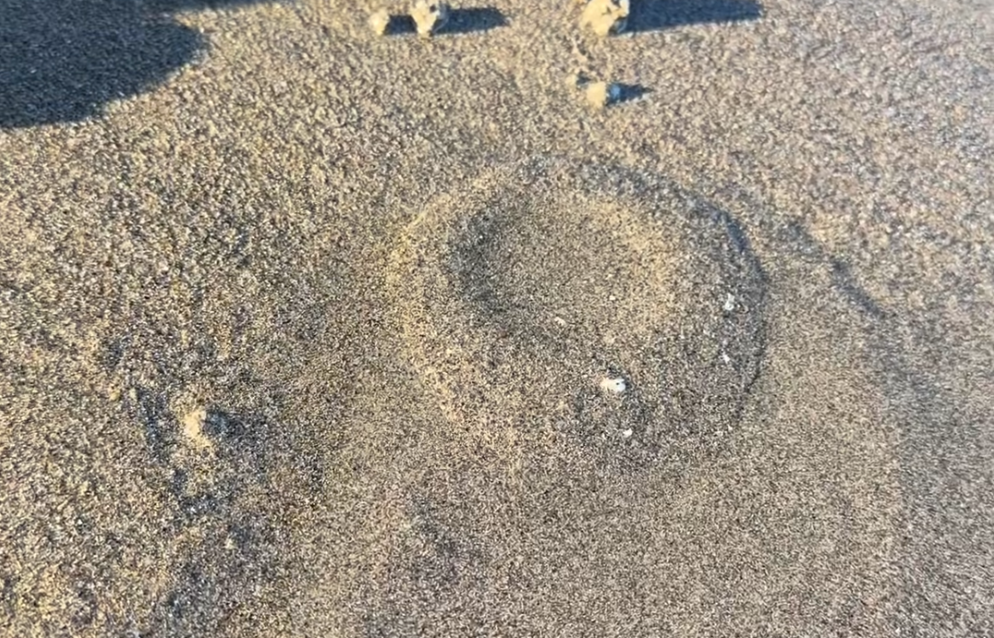
Razor clams leave subtle clues in the sand. Look for:
- Small dimples.
- Keyhole-shaped openings.
- Slightly raise donut shapes around a small depression.
- Tiny "show" marks where a clam has siphoned water.
At first, every mark looked identical to me. Within about 20 minutes, though, our kids were spotting clam shows almost as quickly as the experienced diggers around us.
Harvesting Clams
When you find signs of a clam, or a "show," place the clam gun over the spot, slightly behind it, and push it deep into the sand. Cover the air hole with your thumb, pull the gun up and dump the sand beside the hole.
Then start digging.
The first few attempts can feel awkward, but once you uncover your first clam, the process becomes surprisingly addictive. There is something incredibly satisfying about harvesting your own food directly from the beach.
Our kids loved every minute of it. Even when they weren't finding clams themselves, they were fascinated by the process and eager to help carry the day's harvest.
Safety and Regulations
Before harvesting shellfish, always check current biotoxin advisories and closures. Oregon agencies regularly monitor shellfish safety, and some areas may temporarily close to harvesting. Also review current bag limits and seasonal regulations before your trip.
A New Oregon Tradition
By the end of the weekend, we returned home with fresh seafood, sandy boots, and a cooler full of memories.
As newcomers to Oregon, we were looking for ways to connect with the culture and natural resources that make this state special. Clamming gave us exactly that. These aren't just recreational activities. They are traditions that have connected Oregon families to the coast for generations.
If you're looking for a family adventure that combines outdoor fun, hands-on learning, and the possibility of bringing home dinner, buy a clam gun, check the tide chart, and spend a day on the coast.
Want more LIFE stories?
Join thousands of readers getting our best outdoor content. Free, no spam.
Join thousands of outdoor enthusiasts