The Loop to Loop Connection
Skip the nail knot. Here's why we trust loop-to-loop connections for leaders, backing, and bite tippet alike.
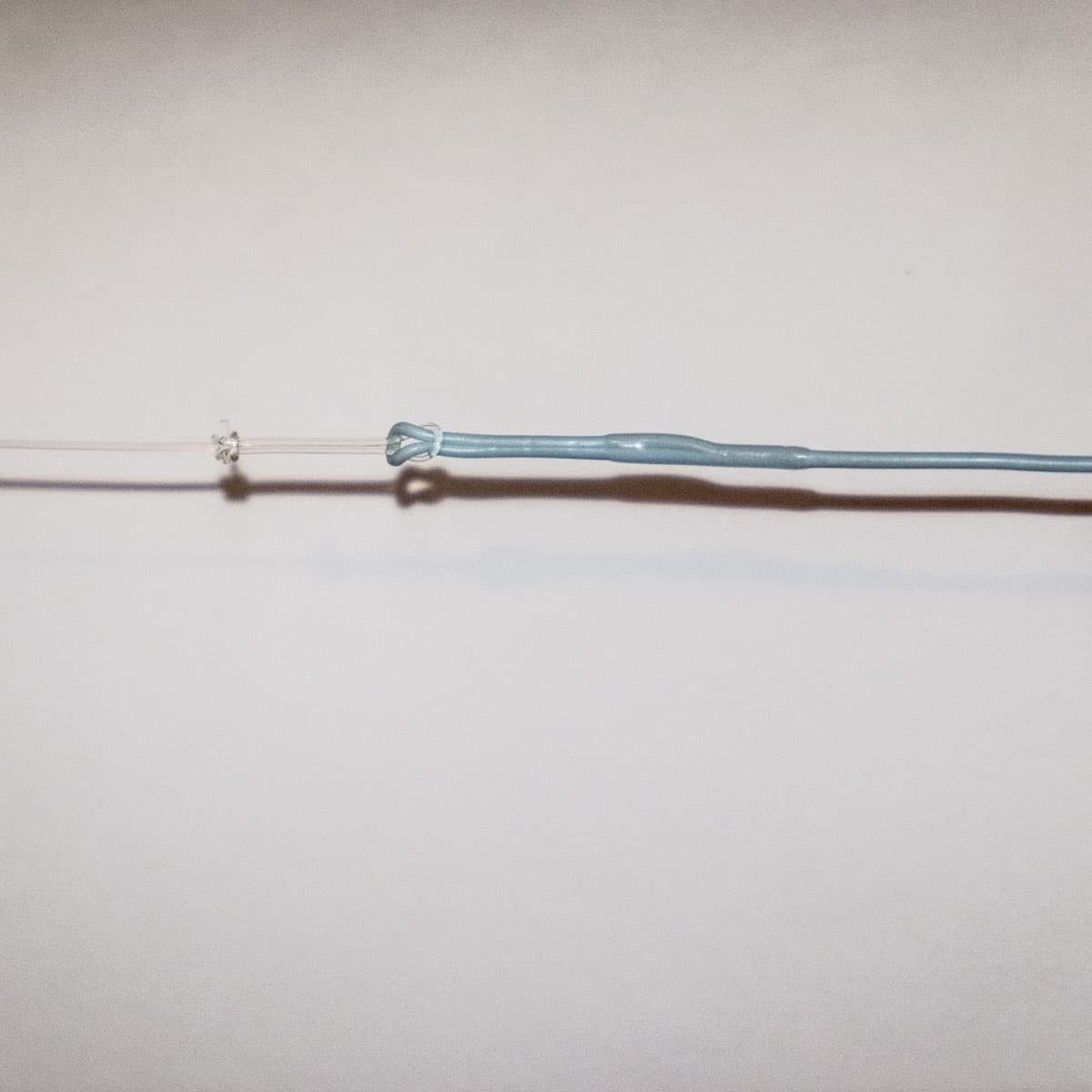
The loop-to-loop connection is one of those simple, but really complicated things. Once you are comfortable making this connection, you can use it for all sorts of things. The most common use for the loop-to-loop connection is connecting your leader to the fly line. Gone are the days of having to know how to tie a nail knot just to go fishing. A loop-to-loop connection is also used when connecting your fly line to backing and it can be used to connect bulky bite tippet to your class tippet when fishing saltwater or for toothy critters.
There has been a lot of debate over this connection. Many anglers automatically cut the loops off their lines. We here at DUN use the connections for almost every fishing situation. We find these fail less for us compared to nail knotting the leader to the line. In fact, these connections have helped our lines last longer.

Most modern fly lines have loops on both ends. The loops allow for easier attachment of new leaders, or to the backing.
The loops can wear out over time. It’s important to check the condition of your loop to make sure the line is not cracked or wearing out. Properly making the connection is the biggest factor in ensuring the loops last.
Here are the steps to properly connect your leader to your fly line using a loop-to-loop.
First: Uncoil your new leader from the package. Successfully completing this step is the hardest part of making the connection.
Next: Take the pre-made loop in the leader and pass the fly line through it.
Next: Find the end of the leader and pass this end through the loop in the fly line.
Last: Pull the entire leader through the loop in the fly line and seat the knot. The knot should look like a square when completed.
Keep reading
More on Skills & How-To
From Beginner to Demonstration Tyer: Lessons from My Journey at the Vise
A chance visit to Tyers Row at the Denver Fly Fishing Show sparked a love for fly tying and opened the door to a new community. This article follows one woman’s path from curious beginner to demonstration tyer, celebrating mentorship, persistence, and the growing presence of women behind the vise.

The Outdoor Layering System: What to Wear When the Weather Changes
Layering is the simplest way to stay comfortable outside when temperatures swing. This guide breaks down the three-layer system—base, mid, and shell—so you know what to wear, what to pack, and how to adjust before you get sweaty, cold, or caught in the wind.
A Guide to Photographing Your Fly Fishing
Good gear only gets you so far. Here's how to actually capture the stillness, the cast, and the catch worth remembering.
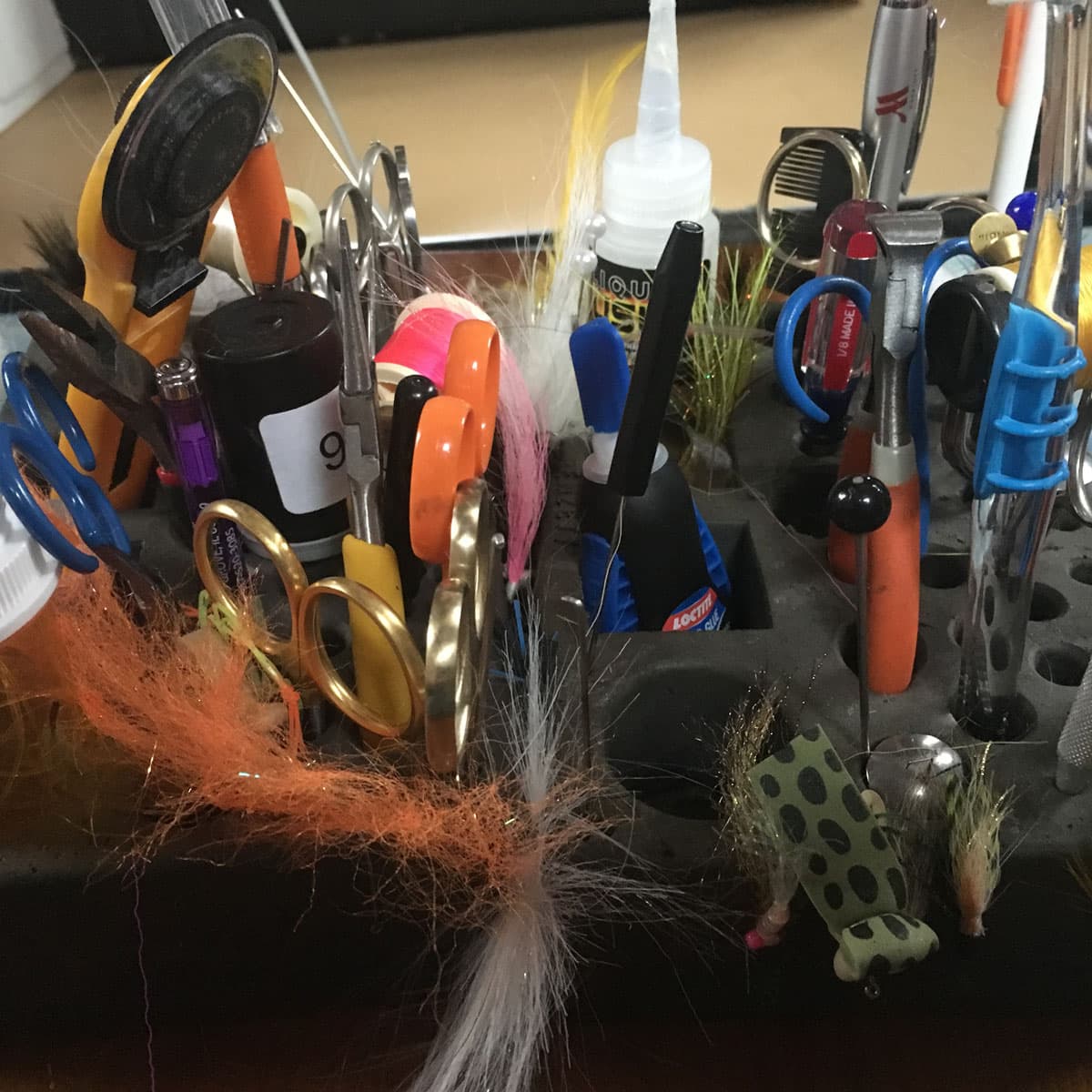
5 Tips for Fly Tying
Five bench habits from Christian Bacasa: the half-hitch tool, mixing your own dubbing, the wedge slice, and what to do when your thread breaks.

The Overlooked Skillset
A grinning angler shows off a hand-sized bluegill, proof that the right first fish can hook someone for life.

Tips to Improve Your Warm Water Lake Fishing
A big largemouth, a fly rod, and a lake day that proves warm water fishing deserves just as much attention as rivers.
Want more LEARN stories?
Join thousands of readers getting our best outdoor content. Free, no spam.
Join thousands of outdoor enthusiasts